Associated Medical Schools of New York
  • About
    • Programs
    • AMSNY Scholars in Medicine and Science
    • AMSNY Scholarship in Medicine
    • Research
    • NYFIRST
    • ECRIP
    • SCIRP
    • Biomedical Research and Economic Development
    • Science Forward
    • Advocacy
    • State Positions
    • Federal Positions
  • News
  • Contact
Newsletter > Biomedical Research News from AMSNY: October 2026

10/26/2026

Biomedical Research News from AMSNY: October 2026

Highlights

Icahn School of Medicine at Mount Sinai: Wildfire Smoke May Be More Harmful Than Other Air Pollution, Two Mount Sinai Studies Find

As climate change drives more frequent and intense wildfires, researchers at the Icahn School of Medicine at Mount Sinai have published two large-scale studies showing that wildfire smoke may pose greater health risks than other sources of air pollution, with higher risks of hospitalization for cardiovascular and respiratory disease and poorer survival among patients with lung cancer. Learn more.

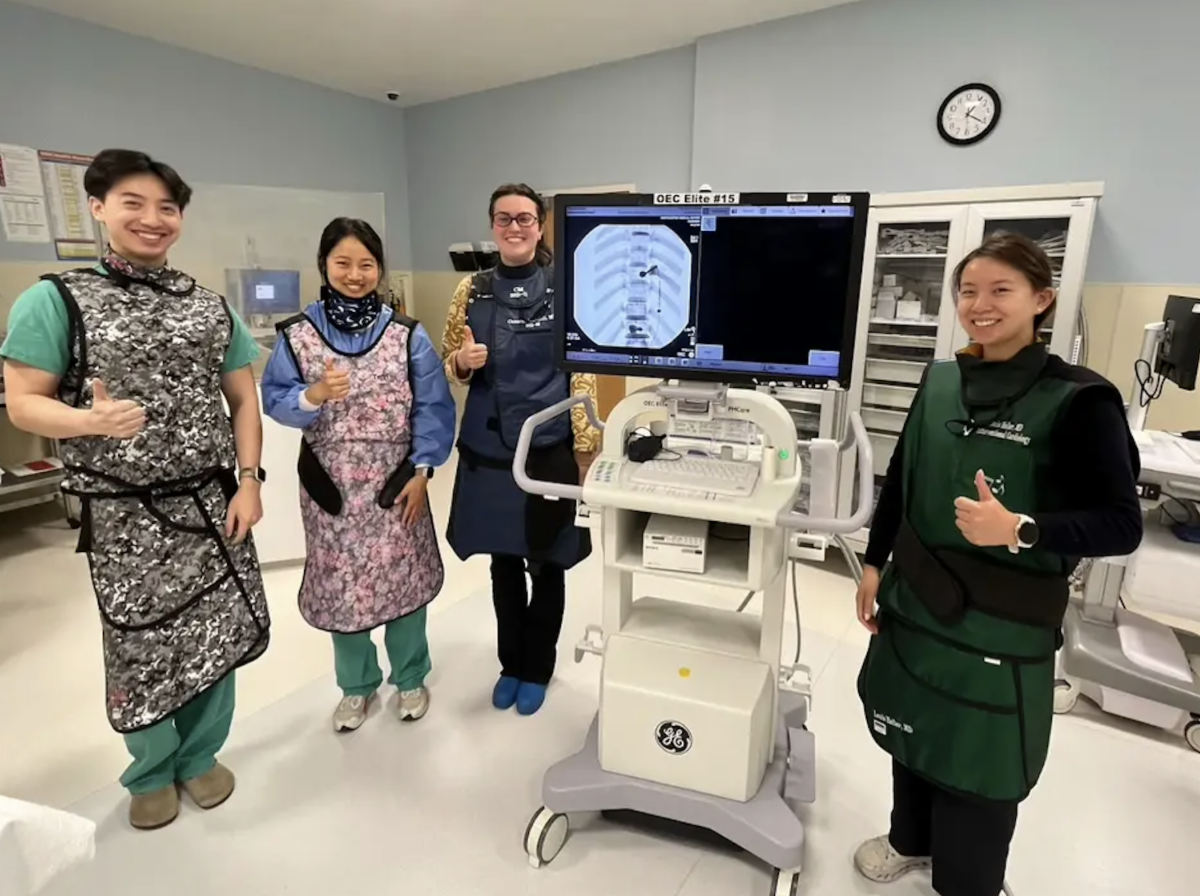
New York Medical College: Inaugural Anesthesiology Summer Research Program Gives Students an Early Start in Academic Medicine

This summer, students became the first to participate in the Anesthesiology Summer Research Program, an inaugural effort by New York Medical College (NYMC) and Westchester Medical Center (WMC) faculty and staff to provide first-year medical students with an in-depth introduction to academic anesthesiology and clinical research methodology. Learn more.

Cancer

Albert Einstein College of Medicine: Study Reveals How Dietary Fat May Help Colorectal Cancer Spread

Metastasis—the spread of cancer from a primary tumor to other parts of the body—causes most cancer-related deaths. But how primary tumor cells gain this deadly ability to spread remains largely unknown. Now, research led by a scientist at Montefiore Einstein Comprehensive Cancer Center (MECCC) has identified a mechanism that enables colorectal cancer cells to spread to other organs and found that high-fat diets can activate this mechanism. Learn more.

Icahn School of Medicine at Mount Sinai: Study Identifies Why Some Patients Develop Severe Intestinal Inflammation After CAR-T Therapy

Researchers at the Icahn School of Medicine at Mount Sinai have identified biological mechanisms that may contribute to CAR-T cell-associated enterocolitis, a serious inflammatory condition of the intestine that can occur after a type of CAR-T cell therapy for multiple myeloma. Published September 23 in Nature Medicine, the study found that CAR-T cells can persist in the intestinal tissue long after treatment and that patients who develop enterocolitis experience widespread changes in the immune system within the gut.Learn more.

Neuroscience & Aging

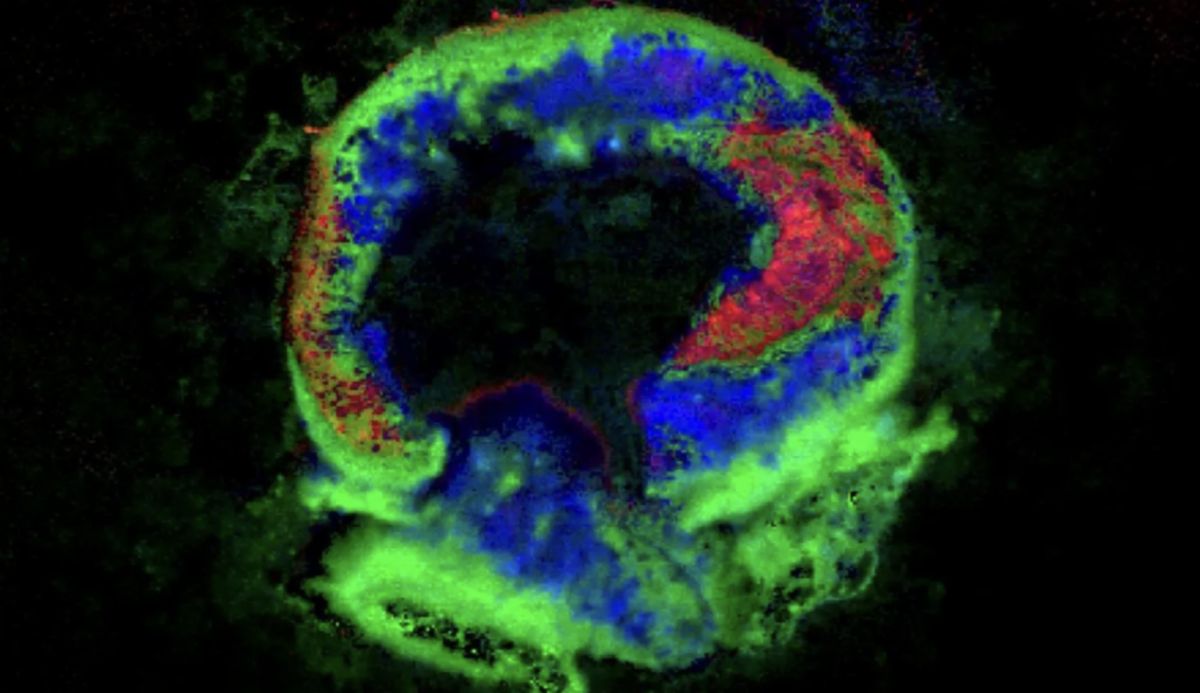
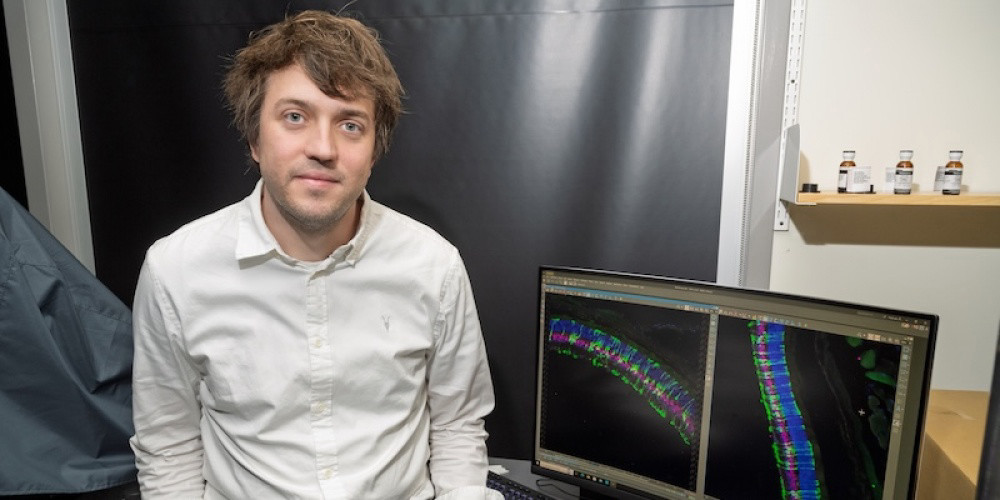
Norton College of Medicine at Upstate Medical University: Aging blocks the retina’s ability to regrow lost neurons, a first-of-its-kind Upstate study finds

A new study from the laboratory of Levi Todd, PhD, at Upstate Medical University has found that aging significantly limits the ability of support cells in the retina, called glia, to be reprogrammed into new neurons; a discovery that has important implications for the future of regenerative medicine for age-related neurodegenerative diseases such as Alzheimer’s, Parkinson’s, and glaucoma. Learn more.

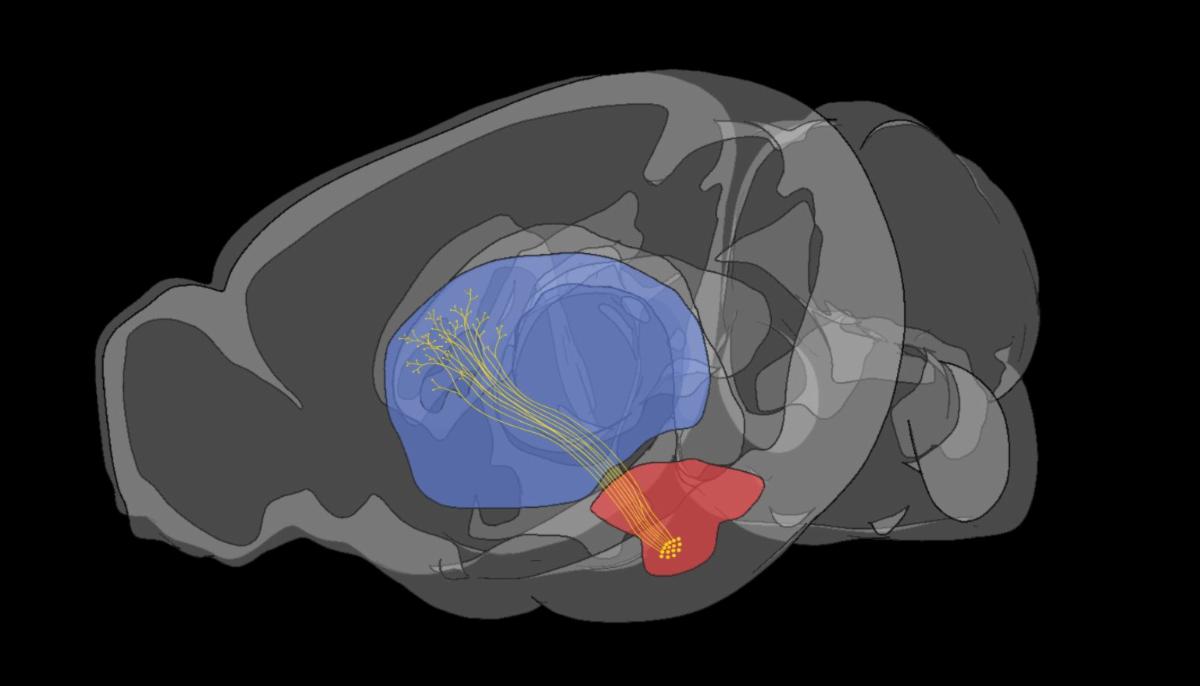
Renaissance School of Medicine at Stony Brook University: Research Reveals a Specific Brain Circuit Implicated in OCD

Treating obsessive-compulsive disorder (OCD), a mental health condition characterized by distressing and uncontrollable thoughts accompanied by repetitive behaviors, has centered on psychotherapy and medicines to curb symptoms. New research that identifies a previously unknown brain circuit involved in the OCD process could be a key step to developing treatments that directly target certain brain regions to better control the condition. Learn more.

Weill Cornell Medicine: Neck Lymph Node Removal Linked to Increased Risk of Cognitive Decline

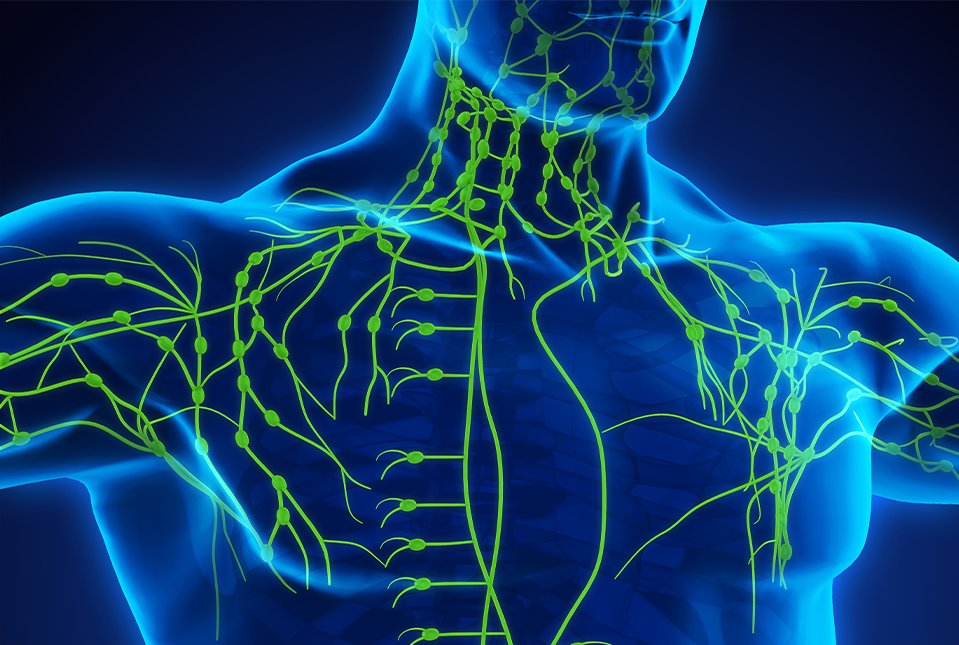
Surgery to remove lymph nodes in the neck may interfere with cerebrospinal fluid (CSF) drainage from the brain, contributing to cognitive impairment, according to new multicenter research led by Weill Cornell Medicine scientists. The paper, published Sept. 29 in Neuron, found that patients with head and neck cancer undergoing cervical lymphadenectomy, a procedure to remove nearby lymph nodes to reduce cancer spread, had a higher rate of cognitive impairment than the general population. Learn more.

University of Rochester School of Medicine & Dentistry: Removing an Inflammation-linked Protein Makes Aging Worse

Researchers at the University of Rochester thought that shutting down a protein linked to inflammation might help slow aging. Instead, they found the opposite: Without the protein, mice became frailer, experienced more inflammation, and had shorter lifespans. Learn more.

Mental Health & Technology

Columbia University Vagelos College of Physicians and Surgeons: Smartphones and Teen Depression – There Might Be an App for That

Two of the most striking features of modern teenage life are ubiquitous smartphone usage and rising rates of depression, a correlation that has led many parents, teachers, clinicians, and policymakers to question whether phones are a problem. But what if they can be part of the solution?

That’s the provocative idea behind a new study by Columbia researchers, who found that AI’s large language models, which power popular ChatGPT, Claude, and Gemini chatbots, can analyze teens’ smartphone data and predict the emergence of depressed moods within days.Learn more.

University of Rochester School of Medicine & Dentistry: Nearly One in Five Pediatric Psychiatric Crises Involve Digital Media, New Study Finds

A new study analyzing more than 3,700 pediatric psychiatric crisis encounters at a large tertiary children’s hospital finds that nearly 1 in 5 visits involved a digital media or device-related problem (DMRP), shedding light on an increasingly important but understudied factor in youth mental health emergencies. The research, which reviewed electronic medical records from 2021 to 2022, identified DMRPs in 19.2% of crisis encounters among patients aged 6 to 17 years. Learn more.

Clinical Research & Patient Care

Zucker School of Medicine at Hofstra Northwell: Study Finds Urologic Instruments Do Not Fit and Gloves Don’t Either

In the study “Global perspectives on surgical instrument fit: unveiling challenges faced by urologists,” published in Springer on Sept. 3, Drs. David Hoenig and Zeph Okeke, professors of urology at the Donald and Barbara Zucker School of Medicine at Hofstra/Northwell, evaluated the relationship between surgeons’ hand size, glove fit, gender and their ease with using various urologic instruments.

The study found that currently available urologic instruments do not fit a large subset of urologists. And one in four urologists operate with surgical gloves that don’t fit their hands properly.

Also, female urologists reported glove fit issues and that surgical instruments were harder to use more often than males. But more than half of male and female urologists reported that their hand size impacted their ability to use instruments and nearly half must make intraoperative adjustments to use the instruments effectively. Learn more.

Weill Cornell Medicine: Exercise May Ease Stress-Related Bladder Pain and Frequent Urination

Chronic stress may contribute to the pain and urinary symptoms experienced by people with interstitial cystitis/bladder pain syndrome (IC/BPS) by triggering changes in the bladder and nervous system, according to a preclinical study by Weill Cornell Medicine investigators. IC/BPS, a chronic condition affecting millions, causes pain, pressure or discomfort in the bladder and pelvic area, often accompanied by an urgent or frequent need to urinate. Learn more.

Research Advocacy & Funding

Columbia University Vagelos College of Physicians and Surgeons: CUIMC Rallies on Capitol Hill for Research Funding

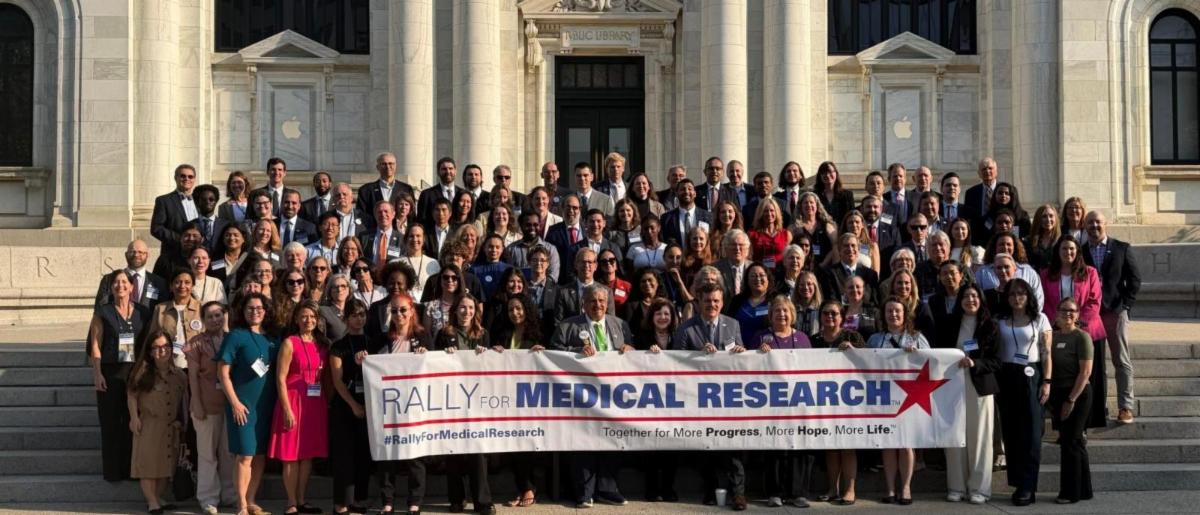
Members of the Columbia community joined hundreds of physicians, scientists, and patients to meet legislators on Capitol Hill and advocate for medical research at the annual Rally for Medical Research(link is external and opens in a new window) on Sept. 17. This year’s rally brought together over 300 participants from more than 40 states, the second largest rally since the event began in 2013 in response to threatened cuts to the National Institutes of Health (NIH) budget. Learn more.

Norton College of Medicine at Upstate Medical University: $3.3 Million NIH Grant Funds Upstate Research Into New Immunotherapy for Leukemia

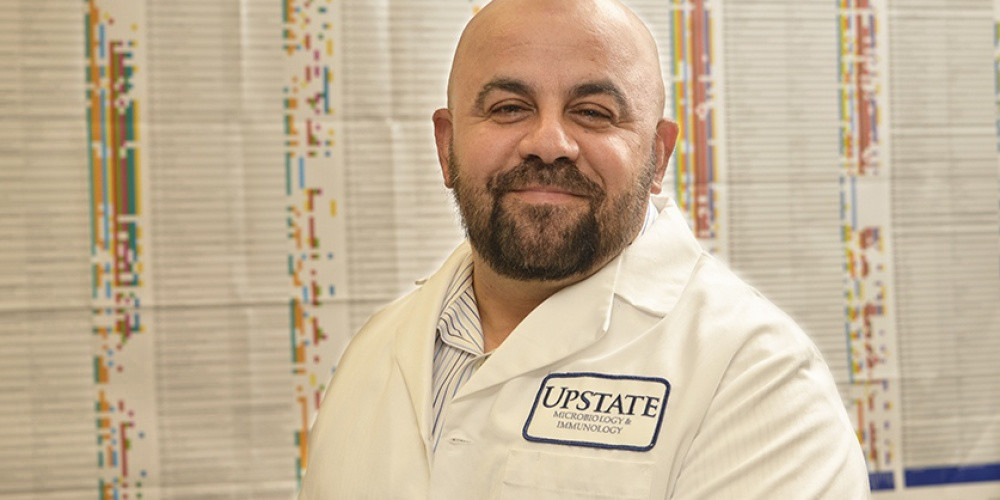
Upstate immunologist Mobin Karimi, MD/PhD, has been awarded a $3.3 million grant to explore a new type of immunotherapy to treat acute myeloid leukemia. The grant comes from the National Cancer Institute of the National Institutes of Health. Learn more.

More Studies & News

Zucker School of Medicine at Hofstra Northwell: Study Investigates How the Brain Detects and Responds to Disruptions in Breathing

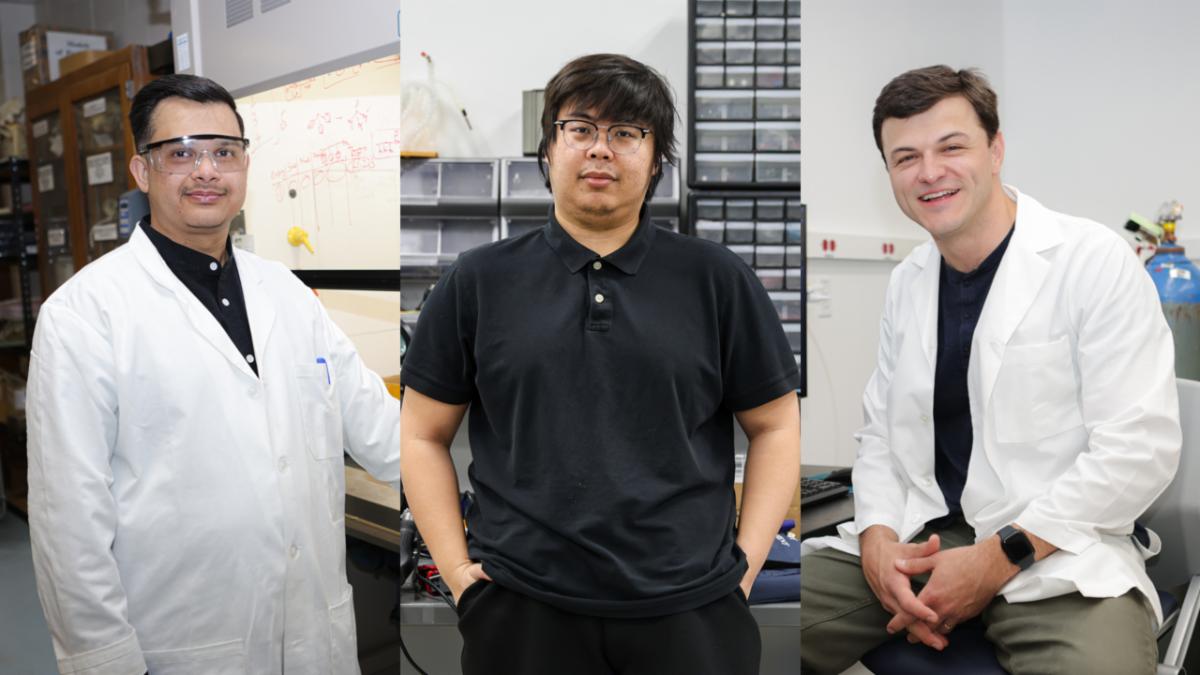
The Donald and Barbara Zucker School of Medicine at Hofstra/Northwell’s Ashesh D. Mehta, MD, professor of neurosurgery, Harley E. Greenberg, MD, professor of medicine, José L. Herrero, PhD, assistant professor of molecular medicine and Stephan Bickel, MD, assistant professor of neurology and neurosurgery, published “Insular routing to orbitofrontal cortex enables breathing awareness” in Science Advances on July 29.

The study investigated how the human brain detects and responds to disruptions in breathing, which arises not only from pulmonary lesions or brainstem dysfunction but also from how higher brain regions interpret breathing signals shaped by emotion and experience.

Their findings define a cortical AIC-OFC-motor circuit that links respiratory perception to action, forming a core substrate for interoceptive awareness and a potential target for restoring adaptive breathing control. Learn more.

New York Institute of Technology College of Osteopathic Medicine: Robust Research

Over the last 10 years, New York Institute of Technology has made significant strides in developing its research programs, with the goal of becoming one of the top research institutions in the United States. Over the last 10 years, New York Institute of Technology has made significant strides in developing its research programs, with the goal of becoming one of the top research institutions in the United States. Learn more.

Renaissance School of Medicine at Stony Brook University: Hundreds of First-Hand 9/11 Responder Accounts Now Available Online

Nearly 500 oral histories of 9/11 responders – developed and produced by professionals at the Stony Brook World Trade Center Health and Wellness Program over a period of years after the events of 9/11 – are now an online collection on the Library of Congress website. Launched to mark the 25th anniversary of the events of 9/11, the first-hand accounts are housed in the American Folklife Center. Learn more.

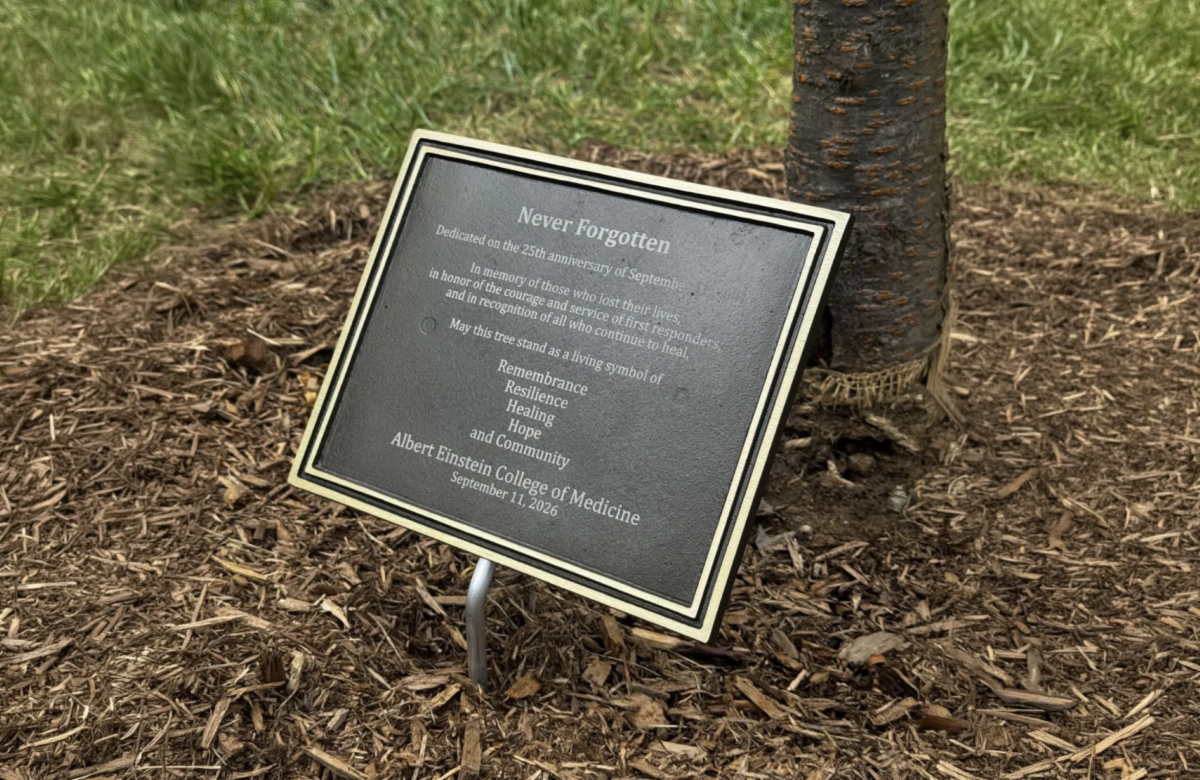
Albert Einstein College of Medicine: Marking the 25th Anniversary of 9/11 Attacks

Members of the Albert Einstein College of Medicine community gathered on September 11 to mark the 25th anniversary of the terror attacks that killed nearly 3,000 people and led to ongoing health challenges for tens of thousands of others. At a solemn ceremony in Robbins Auditorium, speakers hailed the bravery of first responders who attempted to save people trapped in the twin towers of the World Trade Center after terrorists flew hijacked airplanes into them. Learn more.

NYU Grossman School of Medicine: Sugar Amplifies Damage Done to Gut Health by Antibiotics

Eating sweets while taking antibiotics may worsen the harm done by the drugs to the normal community of bacteria in the gut, a new study found. The work centers on the intestinal microbiome, which harbors bacterial species that co-evolved with humans to live in the digestive tract, help digest food, and support the immune system. Learn more.

Thanks for signing up!

Stay up to date with the latest:

By submitting this form, you are granting: Associated Medical Schools of New York, 99 Park Ave, Room 2010 New York, New York, 10016, United States, http://www.amsny.org/ permission to email you. You may unsubscribe via the link found at the bottom of every email. (See our Email Privacy Policy for details.) Emails are serviced by Constant Contact.

Associated Medical Schools of New York (AMSNY)
The Voice of Medical Education
99 Park Ave, Suite 2010 New York, New York, 10016
All rights reserved by their respective owners. Privacy Policy | Disclaimer
© Copyright 2026 AMSNY