Associated Medical Schools of New York
  • About
    • Programs
    • AMSNY Scholars in Medicine and Science
    • AMSNY Scholarship in Medicine
    • Research
    • NYFIRST
    • ECRIP
    • SCIRP
    • Biomedical Research and Economic Development
    • Science Forward
    • Advocacy
    • State Positions
    • Federal Positions
  • News
  • Contact
Newsletter > Biomedical Research News from AMSNY: May 2026

06/03/2026

Biomedical Research News from AMSNY: May 2026

News from AMSNY

FY27 Budget Supports Biomedical Research in New York State

New York’s support for the research that drives new treatments and cures has never been more important. With surging investments by competitors around the world and significantly increased competition for scientific talent, the FY27 state budget signals that New York intends to continue its global leadership in biomedicine and the life sciences.

The FY27 budget includes:

  • A $65 million commitment to the Bolstering Biotech Initiative, which will establish a much-needed clinical trials consortium, support workforce development and establish a new commercialization fund to speed the translation of new discoveries to treatments that benefit patients.
  • Continued funding for the New York Fund for Innovation in Research and Scientific Talent (NYFIRST) program through a $10 million reappropriation that will help New York’s medical schools recruit and retain world-class scientists conducting groundbreaking research in cancer, neurodegenerative disease, neuroscience and other critical areas of medicine.
  • $3.445M for the Empire Clinical Research Investigator Program (ECRIP), which supports the work of early career physician scientists and strengthens New York’s ability to compete for federal research funding.
  • $8.5M for the New York State Spinal Cord Injury Research Program (SCIRP), which supports research by New York’s scientists to treat and cure paralysis and other spinal cord injuries.

AMSNY applauds Governor Hochul and the Legislature for ensuring our scientists can keep making important discoveries here in New York and translating those discoveries into new treatments that benefit all New Yorkers.

To read AMSNY’s budget statement, click here.

Highlights

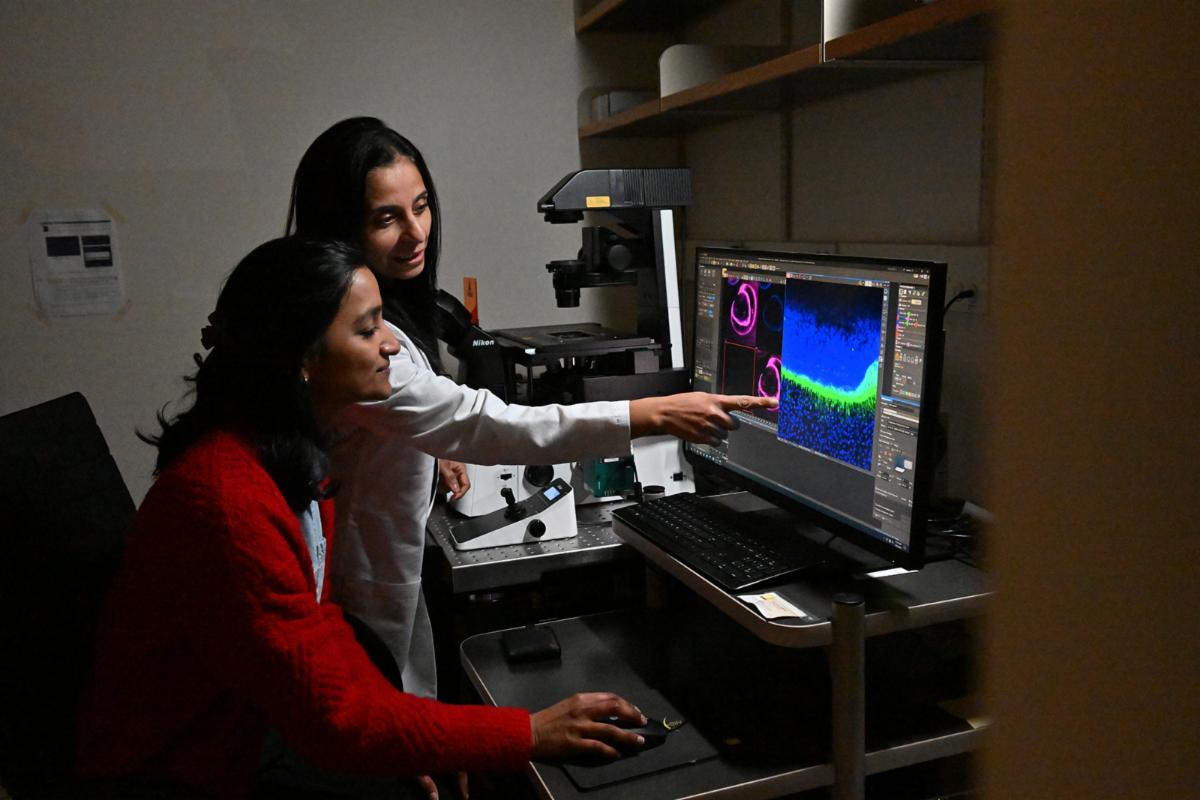
University of Rochester School of Medicine & Dentistry: New NIH-Funded Project Targets Early Drivers of Vision Loss in Macular Degeneration

Age-related macular degeneration (AMD) is a leading cause of vision loss in older adults, and current treatments do not work well enough for many patients, especially in the earlier stages of the disease. A new National Institutes of Health (NIH) grant will support promising research at the University of Rochester Medicine to develop a more precise treatment approach that could help slow or prevent the damage that leads to blindness. Learn more.

Jacobs School of Medicine & Biomedical Sciences at University at Buffalo: UB and Roswell Park Develop AI Tool to Assess Lung Cancer Surgery Complication Risk

Researchers from the University at Buffalo and Roswell Park Comprehensive Cancer Center are developing an artificial intelligence tool to help surgeons better identify lung cancer patients at risk for postoperative complications. The work builds on a longstanding collaboration between the institutions, bringing together UB’s strengths in AI and Roswell Park’s expertise in thoracic oncology. Learn more.

Cancer

Albert Einstein College of Medicine: A New Approach to Metastasis – Cancer Dormancy

A review by researchers at the NCI-designated Montefiore Einstein Comprehensive Cancer Center (MECCC) reframes how scientists should approach cancer metastasis, highlighting the role of “dormant” cancer cells and suggesting new strategies for prevention and treatment. Disseminated cancer cells (DCC) break away from the primary tumor and spread to distant sites in the body, where they can persist in a dormant, non-dividing state for years—or even decades—before reactivating to form metastatic tumors. Learn more.

University of Rochester School of Medicine & Dentistry: Why is Pancreatic Cancer So Difficult to Treat? New Clues Emerge

Pancreatic cancer can remain quiet for years, developing undetected before causing symptoms that lead to a diagnosis. Even after a surgeon removes a pancreas tumor, other cells often hide and erupt later. But University of Rochester Medicine researchers made an important laboratory discovery about why and how this happens — with the goal of targeting pancreas cancer with newer immunotherapy drugs. Learn more.

Neurology

Weill Cornell Medicine: Reminiscing May Ease Grief When Caring for Persons with Dementia

Caring for a family member with dementia can feel like losing a loved one who is still alive, but a new study suggests that revisiting memories together through a simple digital tool can help ease that grief and even strengthen the patient-caregiver bond. Weill Cornell Medicine and University of Southern California investigators have developed and tested the web-based platform, Living Memory Home for Dementia Care Pairs (LMH-4-DCP), in a pilot trial published April 22 in JAMA Network Open. The researchers demonstrated that the digital platform can be a widely accessible, user-friendly support tool for caregivers, while enhancing appreciation of and respect for care recipients. Learn more.

New York Medical College: Suicidality Is Key Predictor of Treatment-Resistant Focal Epilepsy

Affecting 65 million people worldwide, epilepsy has long been associated with co-occurring mental health conditions. Now, a new study published in JAMA Neurology, by a team of researchers, including Manisha Holmes, M.D., associate professor of neurology, has found that patients with newly diagnosed focal epilepsy who experience suicidality—the spectrum of suicidal thoughts, plans, and behaviors—are more than twice as likely to develop treatment-resistant epilepsy than those without mental health conditions. Learn more.

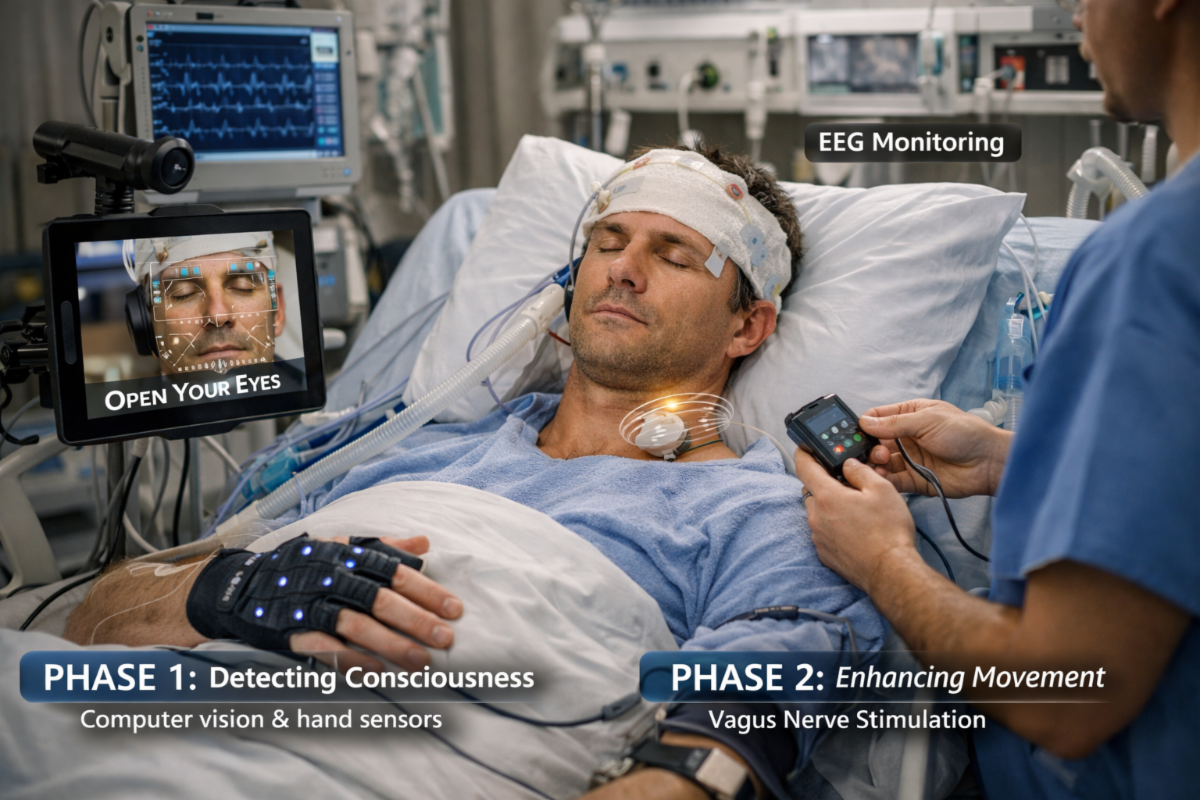
Renaissance School of Medicine at Stony Brook University: Advancing Technology to Detect Consciousness and Promote Recovery in Patients With Brain Injury

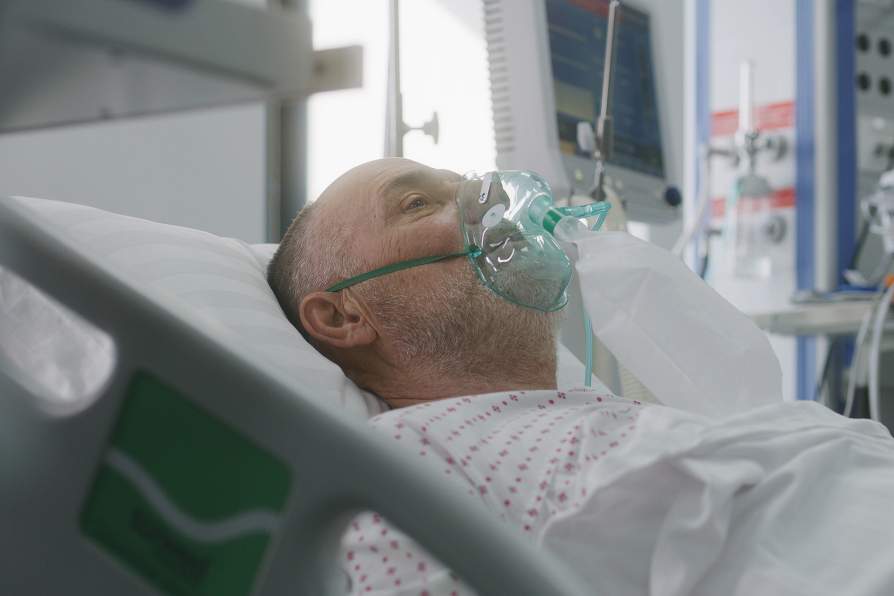
A team of researchers at Stony Brook University led by Sima Mofakham, PhD, has received a grant from the National Institutes of Health’s National Institute of Mental Health (NIMH) to develop a brain-behavior synchronization system called “SeeMe” that uses electrophysiological signals, computer vision and artificial intelligence (AI) technology in brain injury patients to detect early signs of consciousness and promote recovery. Thousands of brain-injured patients are labeled as “unresponsive” in hospitals every year. Neuroscientists believe that perhaps as many as one-quarter of these patients may be conscious but not able to show it. Learn more.

Icahn School of Medicine at Mount Sinai: A Promising Study Suggests a Blood Test Could Spot Alzheimer’s Early in Progression

Researchers at the Icahn School of Medicine at Mount Sinai have made a discovery that opens the door to a potential future in which a simple, minimally invasive blood test could help identify adults in late midlife who are at higher risk of eventual cognitive decline, enabling earlier lifestyle interventions or monitoring well before dementia symptoms appear. The discovery, published today in BMC Neurology, resulted from the first comprehensive analysis of changes in mitochondrial DNA (mtDNA) found in the blood of patients in late midlife, which the researchers defined as ages 40 to 65. Learn more.

Zucker School of Medicine at Hofstra Northwell: Professors Conduct Study to Investigate Diagnostic Accuracy of Venous Manometry in Predicting Elevated Intracranial Pressure

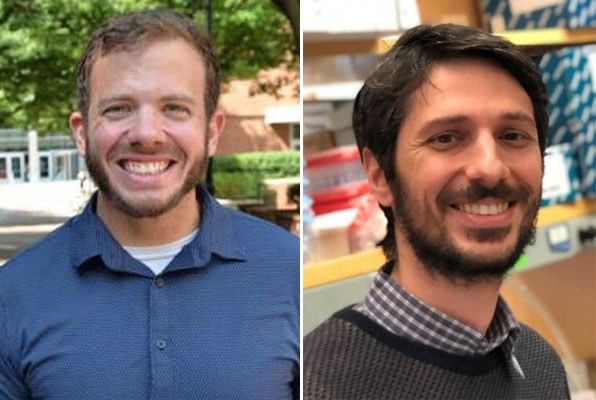
Frontiers published “Diagnostic accuracy of venous manometry to predict elevated intracranial pressure,” research conducted by the Donald and Barbara Zucker School of Medicine at Hofstra/Northwell’s Timothy White, MD, assistant professor of neurosurgery; Kevin Shah, MD, assistant professor of neurosurgery; Athos Patsalides, MD, professor of neurosurgery; Howard Pomeranz, MD, professor of ophthalmology; Golnaz Moazami MD, associate professor of ophthalmology; and Jamie Mitchell, MD, assistant professor of ophthalmology on Feb. 25. Learn more.

Pediatrics

Zucker School of Medicine at Hofstra Northwell: Military Surgeons Have Advanced Pediatric Critical Care Transport and ECMO

Howard Heiman, MD, associate professor of pediatrics for the Donald and Barbara Zucker School of Medicine, published the research, “From Battlefield to Bedside: How military surgeons advanced pediatric critical care transport and ECMO,” in Seminars in Pediatric Surgery in March. The research discussed the provision of medical services to military dependents. Learn more.

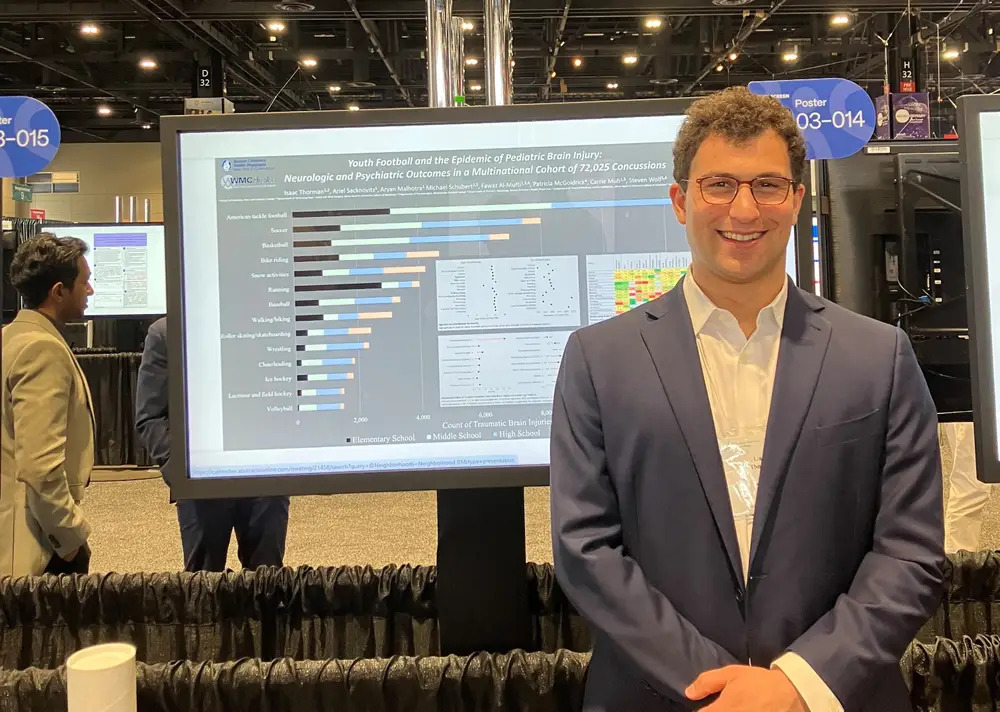
New York Medical College: Football Associated with Nearly One in Five Brain Injuries in Youth Sports

Traumatic brain injuries (TBI) from sports are a common, yet preventable, source of long-term neurological and psychiatric issues in children and young adults. Nearly one in five sports-related TBIs among children and young adults can be attributed to youth football, according to a study by New York Medical College faculty and students that was presented at the American Academy of Neurology’s Annual Meeting in April by Isaac Thorman, SOM Class of 2027. Learn more.

Nutrition

Columbia University Vagelos College of Physicians and Surgeons: Who Gets Celiac Disease? The Dark Genome Has an Answer

The dark genome is largely a mystery, but a new study from immunologists at Columbia University suggests it plays a key role in determining who develops celiac disease. The study, from the lab of Sankar Ghosh, shows that a small element of the dark genome—a long noncoding strand of RNA called lnc13—appears to help shield people born with celiac genes from developing the disease. Learn more.

Touro College of Osteopathic Medicine: Bringing Nutrition to Medical School Curriculum

As she prepares to start her residency in family medicine at Stanford, TouroCOM fourth-year Katarina Milosavljevic has already made her mark on the field of medical education. Working alongside TouroCOM Professor and Director of Community Affairs Dr. Kamilah Ali, she identified a gap in the osteopathic medicine curriculum: nutrition. Their article, “The undernourished curriculum: What happened to nutritional education in the medical curriculum?” was published in Frontiers in Nutrition in October. Learn more.

Health Policy

Weill Cornell Medicine: Data-Driven Research is Helping Health Policy – and Health Equity

If it wasn’t for a typo, Dr. William Schpero, a health economist and an assistant professor in population health sciences at Weill Cornell Medicine, may have taken a very different career path. It was 2010, and he was nearing graduation from Dartmouth College, where he studied biology and government while also writing and editing for the school newspaper. Unsure of whether to pursue a career in medicine or possibly law, he applied for a reporter-researcher job with New Republic magazine, the nearly century-old publication. Learn more.

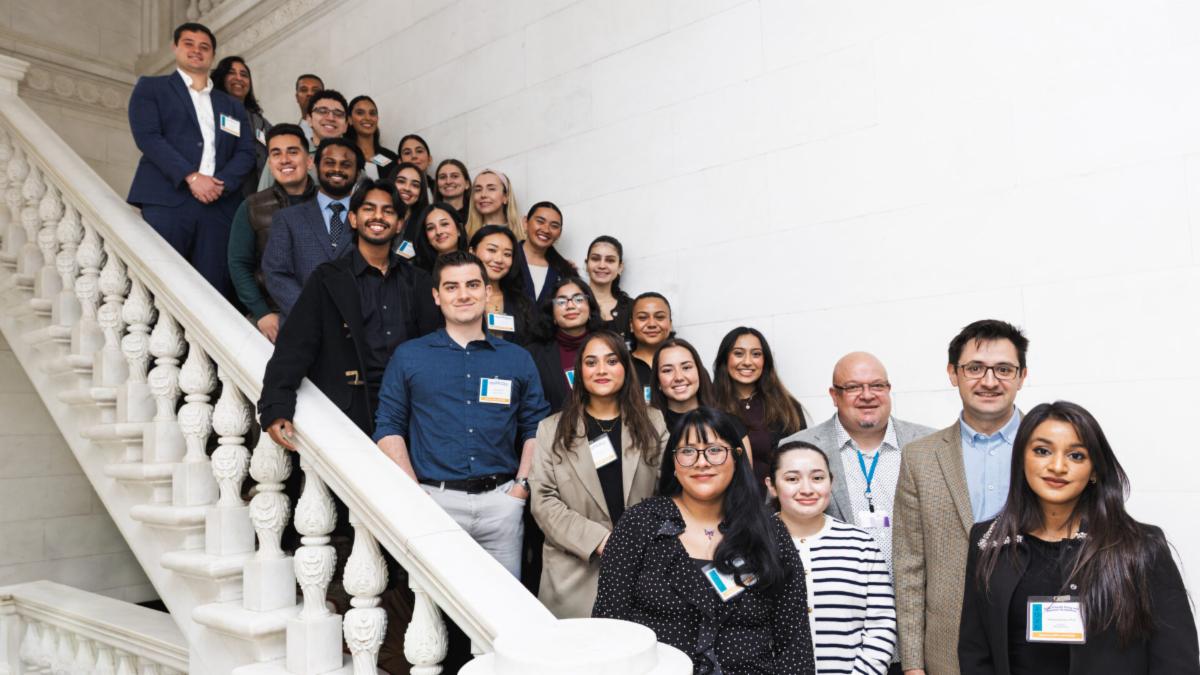
New York Institute of Technology College of Osteopathic Medicine: NYITCOM Debuts Health Policy and Research Symposium

On April 22, the College of Osteopathic Medicine (NYITCOM) hosted its first State of Health Policy and Research Symposium. Organized by NYITCOM’s Center for Health Policy Research (CHPR) and held at NYIT de Seversky Mansion, the event presented medical students with the opportunity to convene with academic leaders, policy experts, and researchers for interdisciplinary discussions on pressing issues affecting healthcare and the biomedical research landscape. Learn more.

More Studies & News

Icahn School of Medicine at Mount Sinai: Researchers Develop Machine Learning Model to Predict How CPAP Affects Cardiovascular Disease Risk in Patients With Obstructive Sleep Apnea

Mount Sinai researchers have created an analytic tool using machine learning that can predict cardiovascular disease risk in millions of patients with obstructive sleep apnea, a serious sleep disorder, according to findings recently published in Nature Communications Medicine. The team said their study is the first to provide estimates of whether continuous positive airway pressure (CPAP), a widely used therapy for obstructive sleep apnea, will increase or decrease an individual’s cardiovascular risk. Learn more.

Albert Einstein College of Medicine: Seeing is Believing – New Probes Reveal Proteins Inside Living Cells with Unprecedented Clarity

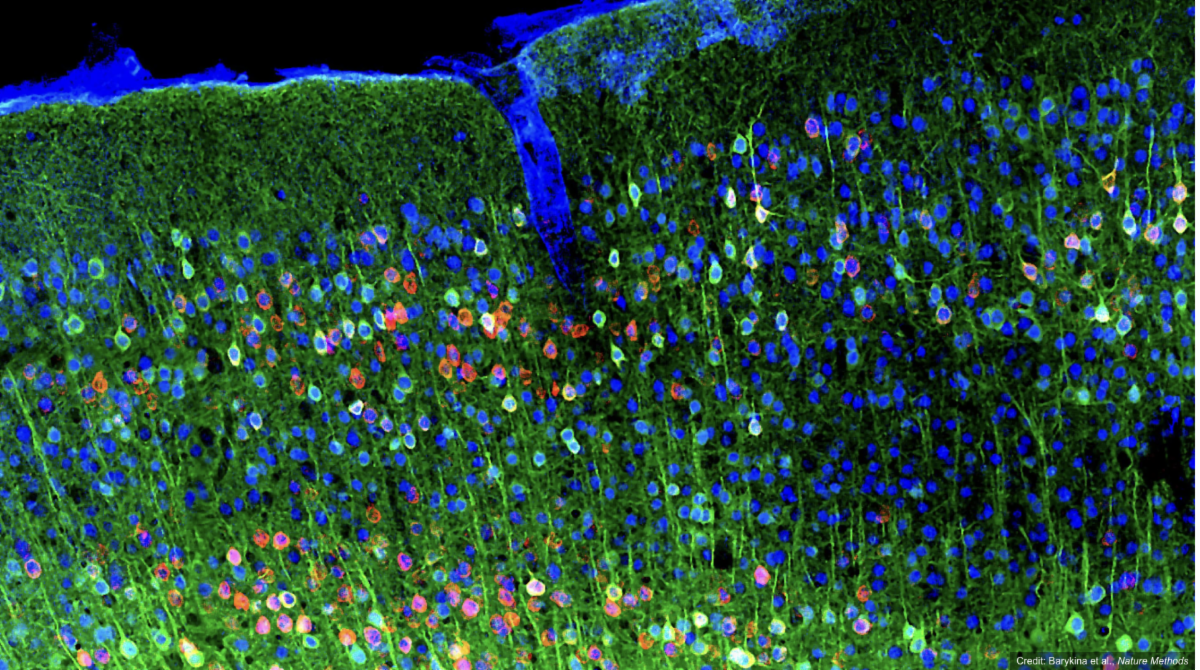
Fluorescent probes have transformed modern biology by allowing researchers to tag and visualize individual molecules in living cells, tissues, and animals. Using these tools, researchers can watch viruses infect cells in real time, observe cellular trash collection, and track the signaling that spurs tumor growth. Now, scientists at Albert Einstein College of Medicine and the Salk Institute for Biological Studies have developed a new molecular imaging technology that illuminates proteins inside living cells and animals far more clearly than before. Learn more.

SUNY Downstate Health Sciences University: Downstate Researchers Contribute to Major Global Study on Addiction Risk

Two of Downstate’s researchers contributed to a major international study that is advancing understanding of addiction risk and reinforcing Downstate’s role in one of the nation’s longest-running research efforts in this field. Published in Nature Mental Health, the study analyzed genetic data from more than 2.2 million individuals, identifying both shared and substance-specific pathways linked to substance use disorders.​ Learn more.

Renaissance School of Medicine at Stony Brook University: The Cause of Hydrocephalus Reconsidered

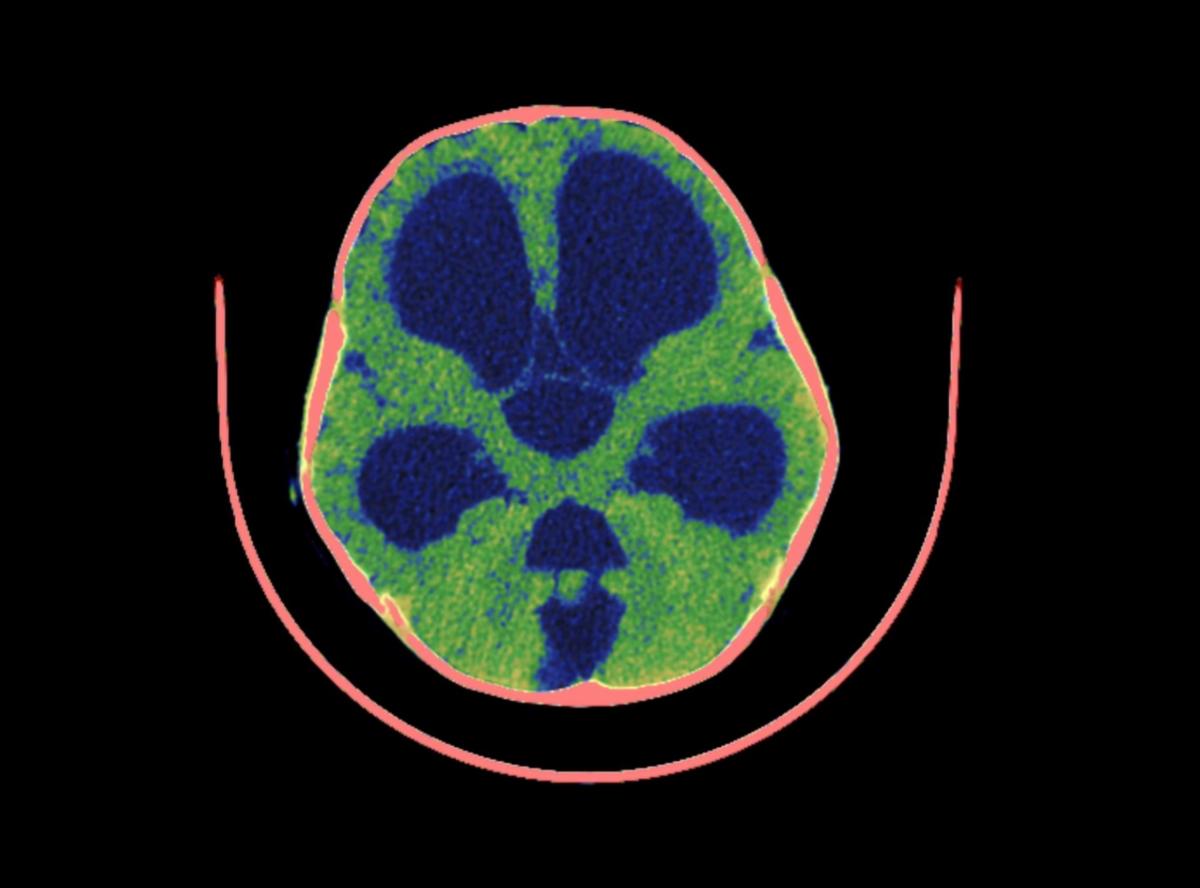
Hydrocephalus, commonly referred to as “water on the brain,” is a dangerous and potentially deadly condition that can harm the brain. For more than a century, physicians have believed that the buildup of cerebrospinal fluid (CSF) within the brain and the organ’s inability to absorb CSF is the main cause of hydrocephalus. Now, new research led by Stony Brook Medicine neurosurgeon Michael Egnor, MD, suggests this process is not the cause, and if proved true, the finding could revolutionize treatments for hydrocephalus. Learn more.

Jacobs School of Medicine & Biomedical Sciences at University at Buffalo: Study – In Myasthenia Gravis, Surgical Removal of the Thymus Gland Proves to be Effective and Economical

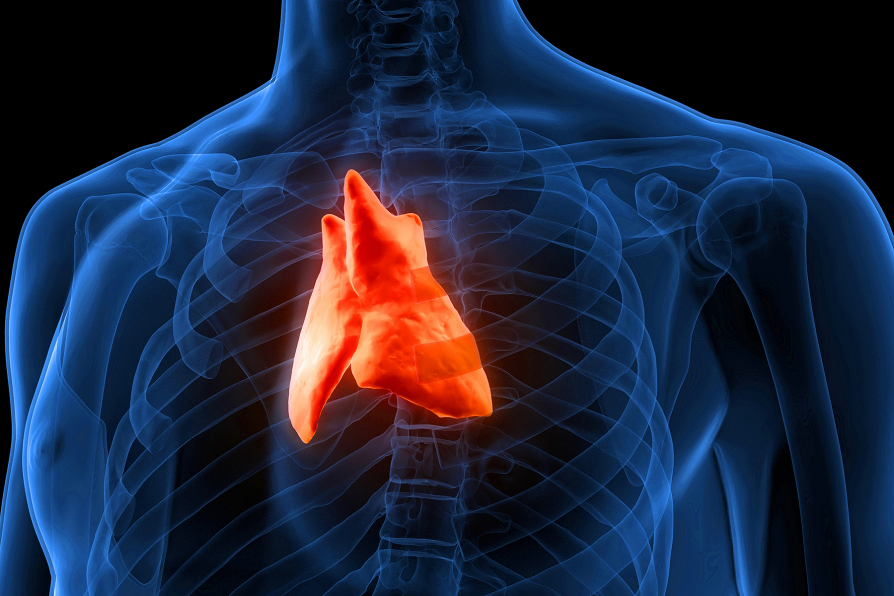
In patients with myasthenia gravis, the surgical removal of the thymus gland, called thymectomy, added ‘quality adjusted life years’ to patients and was also cost-effective in comparison to pharmacological treatment alone, according to a study published April 13 in JAMA Network Open. ‘Quality adjusted life years’ are a measure used in health economics to represent how much a drug or intervention extends and improves one’s quality of life. Learn more.

Columbia University Vagelos College of Physicians and Surgeons: Connecting the Dots – From Diagnosis to Delivery of Care

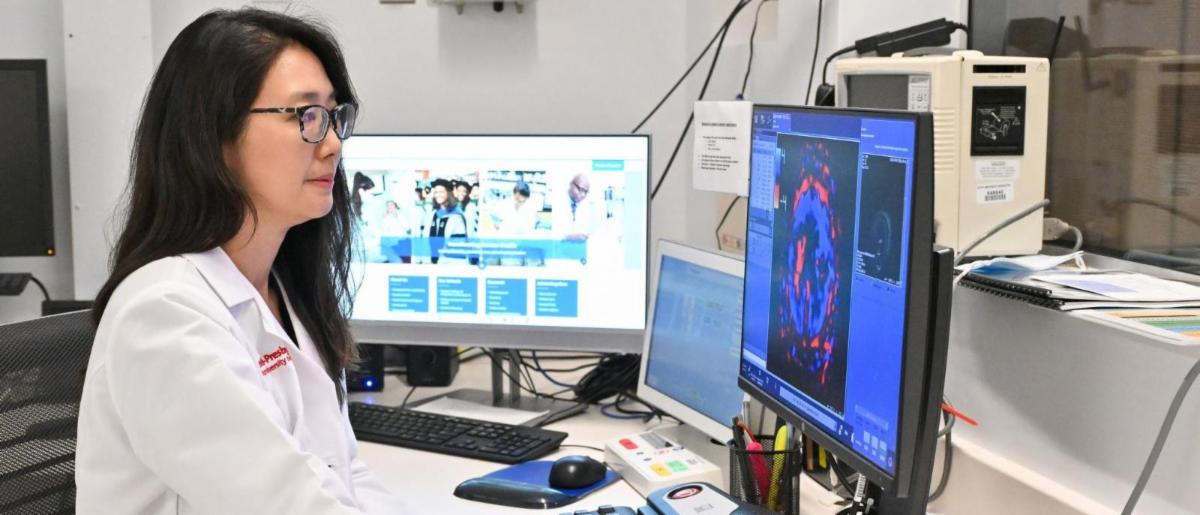
Whenever Columbia radiologist Stella Kang opens a scan, the first thing she looks at is the patient’s name and date of birth. It’s something she learned from one of her mentors during her radiology residency. “The information is practical,” says Kang, professor of radiology at the Vagelos College of Physicians and Surgeons, “but it’s also to ingrain the idea that you’re meeting a patient and seeing their story.” Learn more.

SUNY Downstate Health Sciences University: Women Researchers Drive Science Innovation

Downstate researchers Anna Babinska, Ph.D., Associate Professor of Medicine (Nephrology), and Rena Orman, Ph.D., Research Associate Professor of Physiology and Pharmacology, have been recognized by the SUNY Research Foundation in a system-wide spotlight on women advancing innovation. Their work reflects Downstate’s focus on translating research into clinical application, alongside increased participation of women in patent development. Learn more.

Thanks for signing up!

Stay up to date with the latest:

By submitting this form, you are granting: Associated Medical Schools of New York, 99 Park Ave, Room 2010 New York, New York, 10016, United States, http://www.amsny.org/ permission to email you. You may unsubscribe via the link found at the bottom of every email. (See our Email Privacy Policy for details.) Emails are serviced by Constant Contact.

Associated Medical Schools of New York (AMSNY)
The Voice of Medical Education
99 Park Ave, Suite 2010 New York, New York, 10016
All rights reserved by their respective owners. Privacy Policy | Disclaimer
© Copyright 2026 AMSNY