Associated Medical Schools of New York
  • About
    • Programs
    • AMSNY Scholars in Medicine and Science
    • AMSNY Scholarship in Medicine
    • Research
    • NYFIRST
    • ECRIP
    • SCIRP
    • Biomedical Research and Economic Development
    • Science Forward
    • Advocacy
    • State Positions
    • Federal Positions
  • News
  • Contact
Newsletter > Biomedical Research News from AMSNY: June 2026

07/03/2026

Biomedical Research News from AMSNY: June 2026

Highlights

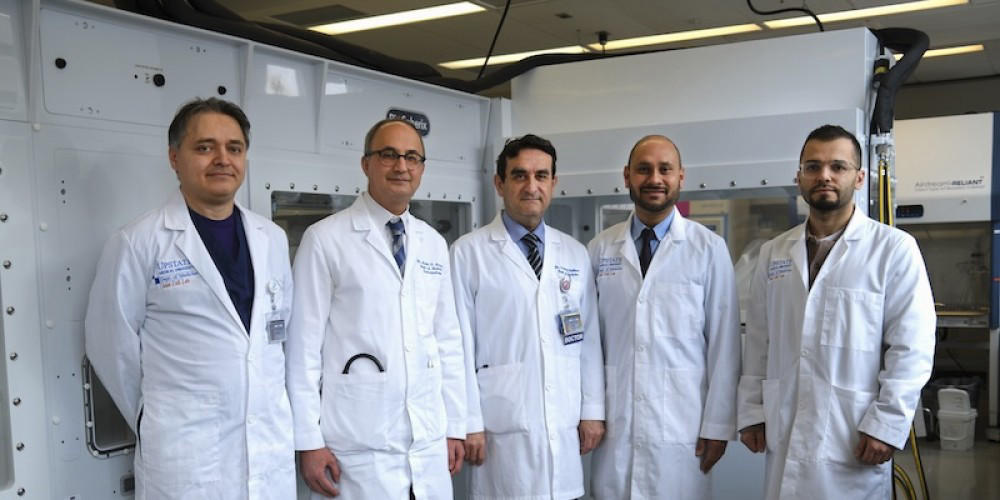
Norton College of Medicine at Upstate Medical University: Upstate Opens Stem Cell Islet Bioengineering Lab to Advance Diabetes Cure Research

Two researchers at Upstate Medical University are working to find a better solution for diabetes patients living with the daily struggle of insulin injections, blood sugar checks, and the constant vigilance required to avoid life-threatening complications.

Nidheesh Dadheech, PhD, has joined Upstate to open the Dadheech Stem Cell Islet Bioengineering Laboratory and serve as director of the SUNY Center for Advanced Cell Therapy; a new lab within the Division of Endocrinology, Diabetes and Metabolism, Department of Medicine. Learn more.

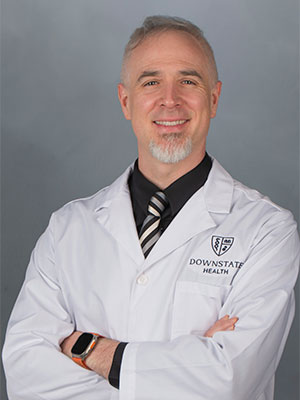
SUNY Downstate Health Sciences University: Advancing Mental Health Equity

A new video that debuted at the American Psychiatric Association (APA) 2026 Annual Meeting in California highlights how Downstate’s Department of Psychiatry and Behavioral Sciences is improving mental healthcare in Central Brooklyn while helping shape the future of behavioral health research, care, and education. The video highlights a diverse group of Downstate faculty physicians, researchers, and educators whose work spans clinical care, psychiatric genomics, substance use research, Alzheimer’s disease and dementia care, artificial intelligence, and workforce development.

Learn more.

Women’s Health

Weill Cornell Medicine: Age Does Not Appear to Drive Cardiovascular Risk in Pregnancy

Underlying cardiovascular risk, rather than older age, drives complications such as venous thromboembolism, cardiomyopathy and heart failure during pregnancy, according to new Weill Cornell Medicine research. The findings may encourage doctors to more actively address cardiovascular health in patients before they become pregnant. The study, published May 18 in Nature Communications, suggests that instead of pregnancy becoming inherently riskier as people get older, it amplifies a person’s baseline cardiovascular risk, regardless of age. Learn more.

New York Institute of Technology College of Osteopathic Medicine: NIH-Funded Research Achieves Key Milestone

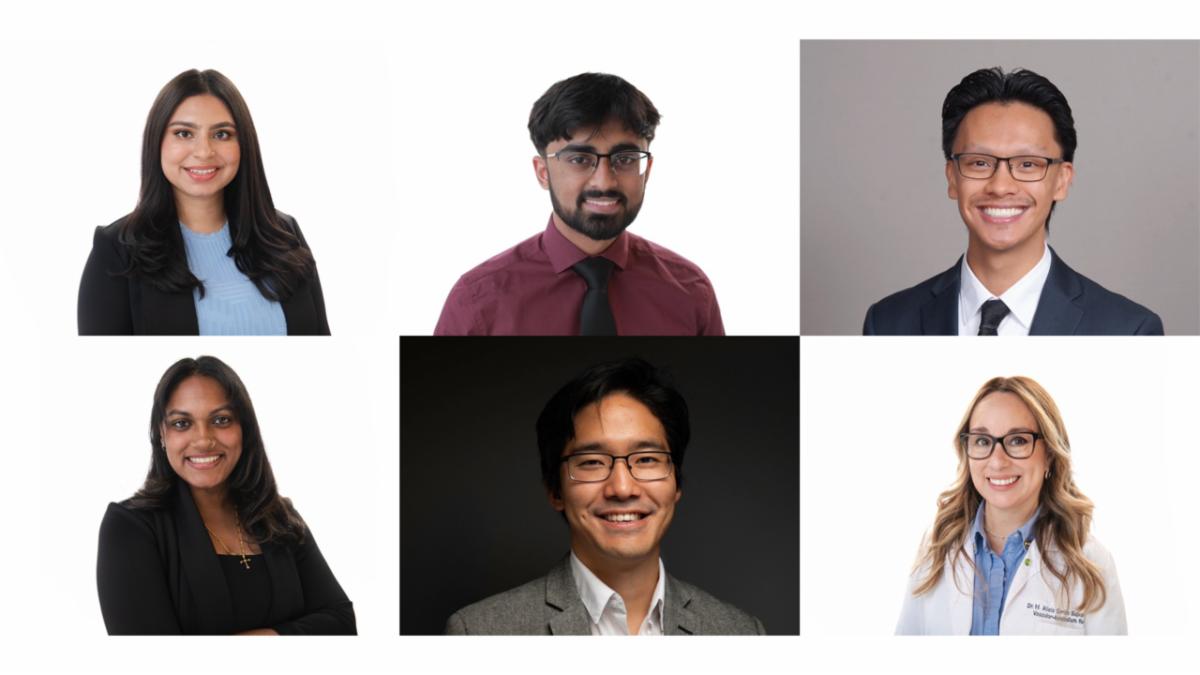
Federally funded research from the laboratory of Maria Alicia Carrillo Sepulveda, Ph.D., BSN, has produced new findings that advance understanding of the relationship between menopause and cardiovascular disease risk.

Supported by a Research Enhancement Award (R15 grant) from the National Heart, Lung, and Blood Institute (NHLBI) of the National Institutes of Health (NIH),[1] Sepulveda, a vascular physiologist, and a team of student researchers have published new findings in the American Journal of Physiology – Heart and Circulatory Physiology. Their study explores why cardiovascular disease risk increases after menopause, and yields new insights into how proteins linked to obesity and cardiometabolic disease may also drive cardiovascular risk after menopause. Learn more.

New York Medical College: As COPD Rates Rise in Women, Clinical Trial Representation Lags

Historically perceived as a predominantly male disease, chronic obstructive pulmonary disease (COPD) is now increasingly recognized as a large and growing health concern among women. Yet women remain significantly underrepresented in COPD clinical trials, according to a study by New York Medical College residents, published in the International Journal of Chronic Obstructive Pulmonary Disease. Learn more.

Technology & Artificial Intelligence

Icahn School of Medicine at Mount Sinai: Wearable Devices May Help Detect Cytokine Release Syndrome Earlier in Patients Receiving CAR-T Therapy

Researchers at the Icahn School of Medicine at Mount Sinai have found that wearable devices may help clinicians detect cytokine release syndrome (CRS)—a common and potentially serious side effect of CAR-T cell therapy—hours earlier than standard hospital monitoring in patients with multiple myeloma, a blood cancer that begins in plasma cells in the bone marrow. Learn more.

New York Institute of Technology College of Osteopathic Medicine: Two Medical Students Test AI Research in the Study of Endometriosis

Last summer, Milan Toma, Ph.D., associate professor of osteopathic manipulative medicine (OMM) at the College of Osteopathic Medicine (NYITCOM), gave a presentation on campus about artificial intelligence (AI) and medicine. Toma, who has published more than 30 peer-reviewed studies on the subject, told the medical students in attendance about opportunities to conduct AI-led research in areas of interest to them. Learn more.

Zucker School of Medicine at Hofstra Northwell: Study Ponders Whether AI is Useful in Detecting Pulmonary Embolisms

Drs. Shlomit Goldberg-Stein, Matthew Barish, Rakesh Shah, professors of radiology, and Drs. Ritesh D. Patel, assistant professor and Jason Naidich, associate professor at the Donald and Barbara Zucker School of Medicine at Hofstra/Northwell published the study, “Clinical Implementation of AI for Pulmonary Embolism Detection in over 30,000 CT Pulmonary Angiography Examinations” in Radiology Society of North America: Artificial Intelligence, on May 13. The purpose of the study was to quantify postimplementation concordance between a U.S. Food and Drug Administration-cleared artificial intelligence (AI) tool and AI-informed radiologists for pulmonary embolism (PE) detection on CT pulmonary angiography, with real-time adjudication of discordances. The findings indicated that in large-scale deployment, AI showed high concordance with radiologists and made meaningful contributions in discordant reviews = while expert oversight confirmed complementary roles and highlighted scenarios of radiologist-AI divergence. Learn more.

Renaissance School of Medicine at Stony Brook University: Student Develops App to Close a Critical Training Gap

For generations of medical students, the images they study have not always reflected the patients they will treat. In medical schools and textbooks, future physicians learn to recognize disease through visual patterns, often drawn from a narrow range of skin tones. For Priyanka Kadam, a student at the Stony Brook University Renaissance School of Medicine, that gap has become both a source of frustration and a spark for innovation. Learn more.

NYU Grossman School of Medicine: Digital Health Tools Are Reshaping Healthcare in the United States

At least 12 percent of Americans now communicate with their healthcare providers about appointments, test results, and ongoing treatments via secure online patient portals and health apps, a new study shows.

Meanwhile, traditional in-person visits to the doctor’s office have rebounded since the pandemic. And although digital medicine has become a routine part of healthcare, it is supplementing rather than replacing in-person care. This evolution, researchers say, is reshaping how hospitals and clinics operate daily. Learn more.

Cancer

Renaissance School of Medicine at Stony Brook University: Could K17 be a Key Treatment Target for Pancreatic Cancer?

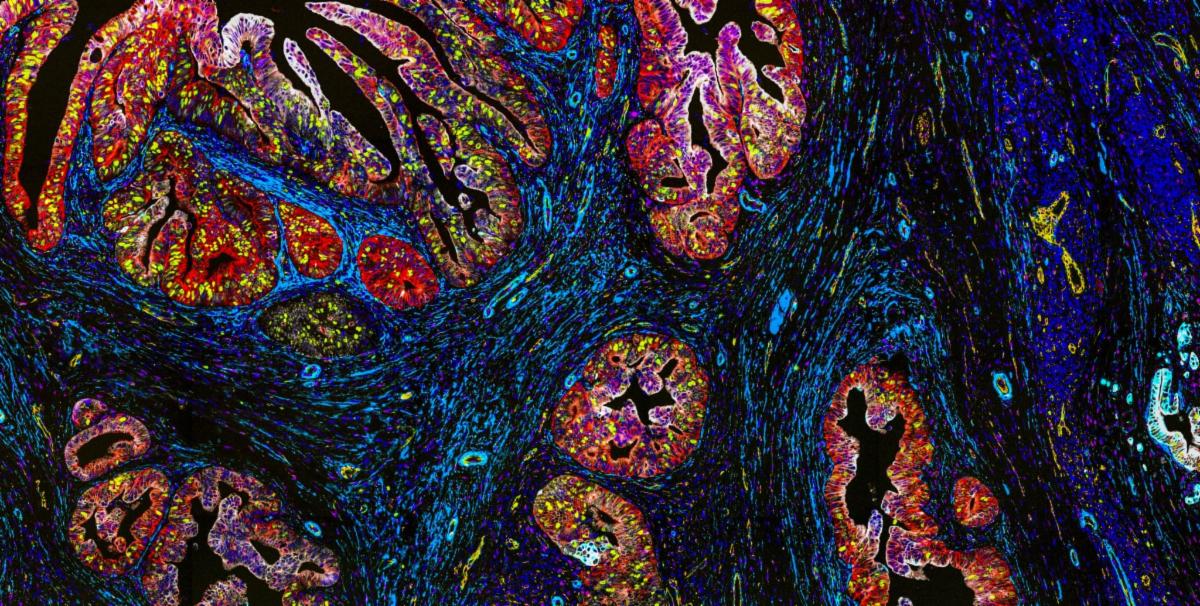
A national team of cancer researchers led by Drs. Kenneth Shroyer and Natalia Marchenko at Stony Brook Medicine, and Dr. Luisa Escobar-Hoyos of Yale School of Medicine, investigated the role of Keratin 17 (K17) in the most common form of pancreatic cancer. They discovered that the protein is a key driver for chemoresistance to gemcitabine, an agent that is often used to treat a wide range of cancers, including advanced tumors of the pancreas, lungs and breast. Their findings highlight K17 as a potential target for the development of novel treatments to address the most aggressive forms of cancer. Learn more.

Weill Cornell Medicine: Oral Drug Combination Eases Treatment Burden for AML Patients

The ASCERTAIN V clinical trial demonstrated that an all-oral drug combination for older patients with acute myeloid leukemia (AML) is an effective alternative to the current standard, which requires repeated hospital or office visits for intravenous treatment. In the international phase 1/phase 2 trial led by researchers at Weill Cornell Medicine, NewYork-Presbyterian, The University of Texas MD Anderson Cancer Center and Yale University, patients took a regimen of two pills, decitabine-cedazuridine and venetoclax, with strong response rates and survival outcomes. Learn more.

NYU Grossman School of Medicine: Study Reveals How Leukemia Cells Enter and Damage Lungs

Led by NYU Langone Health researchers, a new study shows how blood cancer cells enter the lungs, damage tissue, and cause severe breathing problems. Published online June 29 in Nature Immunology, the new work addresses acute myeloid leukemia, or AML, a cancer in which cells in the bone marrow that would normally become blood cells instead start to multiply abnormally. Learn more.

Brain & Neuroscience

Columbia University Vagelos College of Physicians and Surgeons: New Study Finds Clues of Alzheimer’s Beginnings

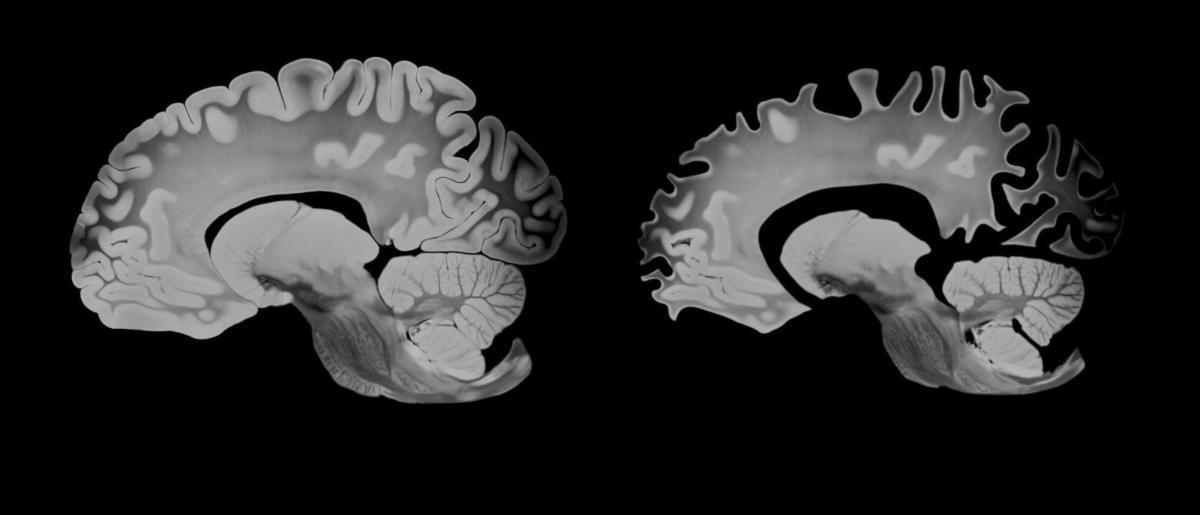
A new Columbia study(link is external and opens in a new window) has found clues about the beginnings of Alzheimer’s disease, revealing how tau filaments—protein clumps that are closely linked to memory decline in Alzheimer’s disease—get their start. The findings raise the prospect of future Alzheimer’s drugs that could stop the production of the filaments at its source. Learn more.

Jacobs School of Medicine & Biomedical Sciences at University at Buffalo: Research Focuses on Retinal Ganglion Cell Development

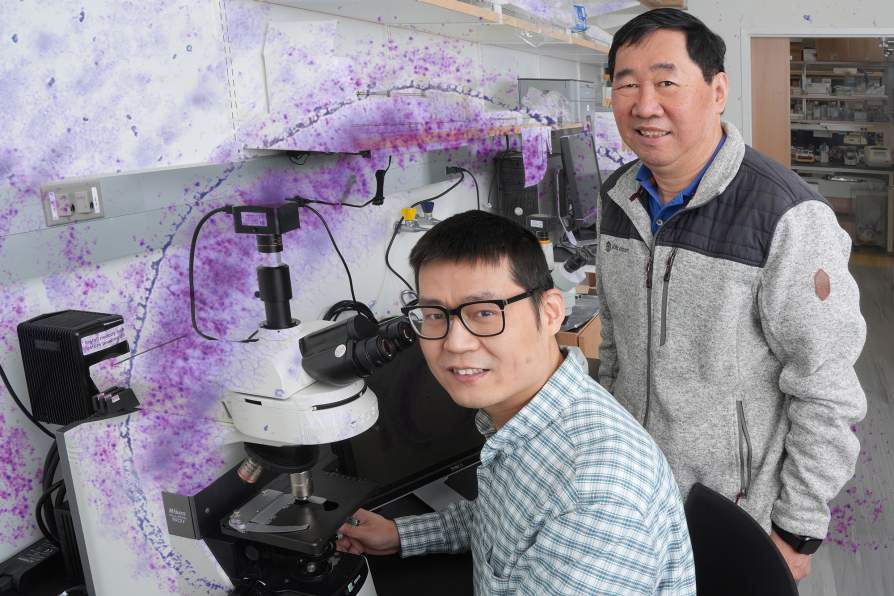
Xiuqian Mu, MD, PhD, professor of ophthalmology at the Jacobs School of Medicine and Biomedical Sciences, has received additional funding from the National Eye Institute for his research on retinal development, which could help develop strategies to treat degenerative retinal diseases such as glaucoma. The National Institutes of Health R21 grant, titled “Atoh7 Interacting Proteins Involved in Retinal Ganglion Cell Genesis,” provides $440,275 in funding over two years. Learn more.

Awards, Grants & Recognitions

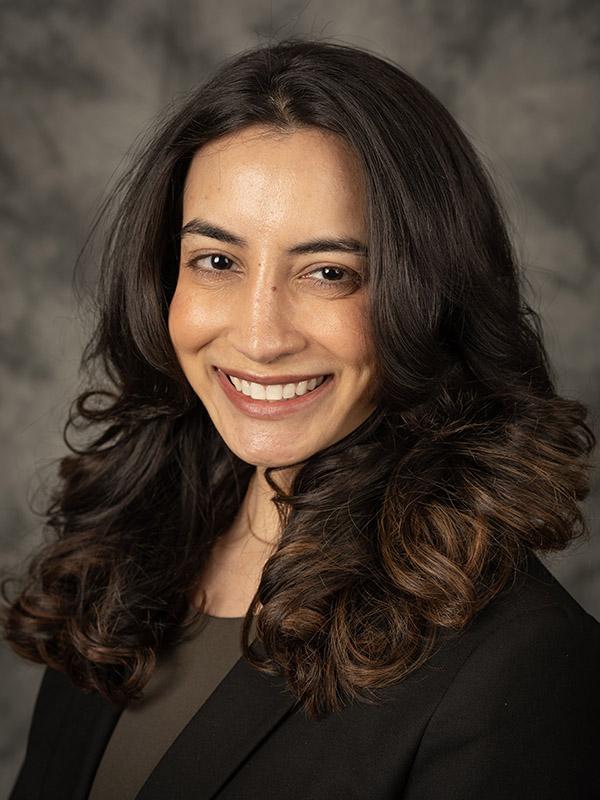
Norton College of Medicine at Upstate Medical University: Researcher Earns NIH Grant to study lung Immunity in Aging Adults


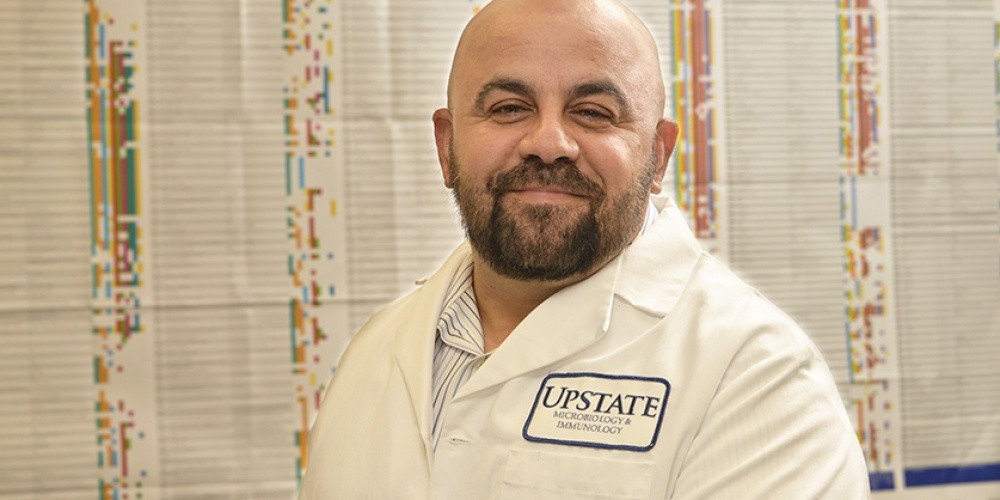
Upstate Medical University’s Mobin Karimi MD, PhD, has been awarded funding from the National Institutes of Health for research looking at how certain immune cells protect the lungs from viral infection, particularly in older adults.

Karimi, an assistant professor of microbiology and immunology, was awarded $461,000 in NIH R21 funding from the National Institute on Aging to support an innovative two-year research project. His study, “The Role of β-Catenin in Lung ILC2 Function,” examines how a key cellular pathway, β-catenin, helps these cells protect the lungs from viral infection, particularly in older adults. Learn more.

Columbia University Vagelos College of Physicians and Surgeons: 12 VP&S Scientists Awarded Schaefer Scholar Grants

Twelve scientists at Columbia University Vagelos College of Physicians and Surgeons have received awards from the Schaefer Research Scholars Program, made possible through a bequest from Dr. Ludwig Schaefer. This year, the annual awards were granted to distinguished VP&S scientists exploring new directions in their research or proposing research designed to reveal new aspects of human physiology. Each award consists of up to $100,000 in direct research support. Learn more.

Icahn School of Medicine at Mount Sinai: Mount Sinai Health System Ranked Among Top Global Leaders in Health Care Research by Nature Index

The Mount Sinai Health System was ranked No. 5 in North America and No. 6 globally for health care research in the 2026 Nature Index Research Leaders Rankings, reinforcing its position as one of the world’s leading academic health systems for scientific discovery and biomedical research.

The Nature Index, produced by Springer Nature, tracks high-quality scientific research output and ranks leading institutions, organizations, and corporations based on publications in prestigious journals. The rankings are widely used as a benchmark for measuring high-quality research output and scientific impact. Learn more.

More Studies & News

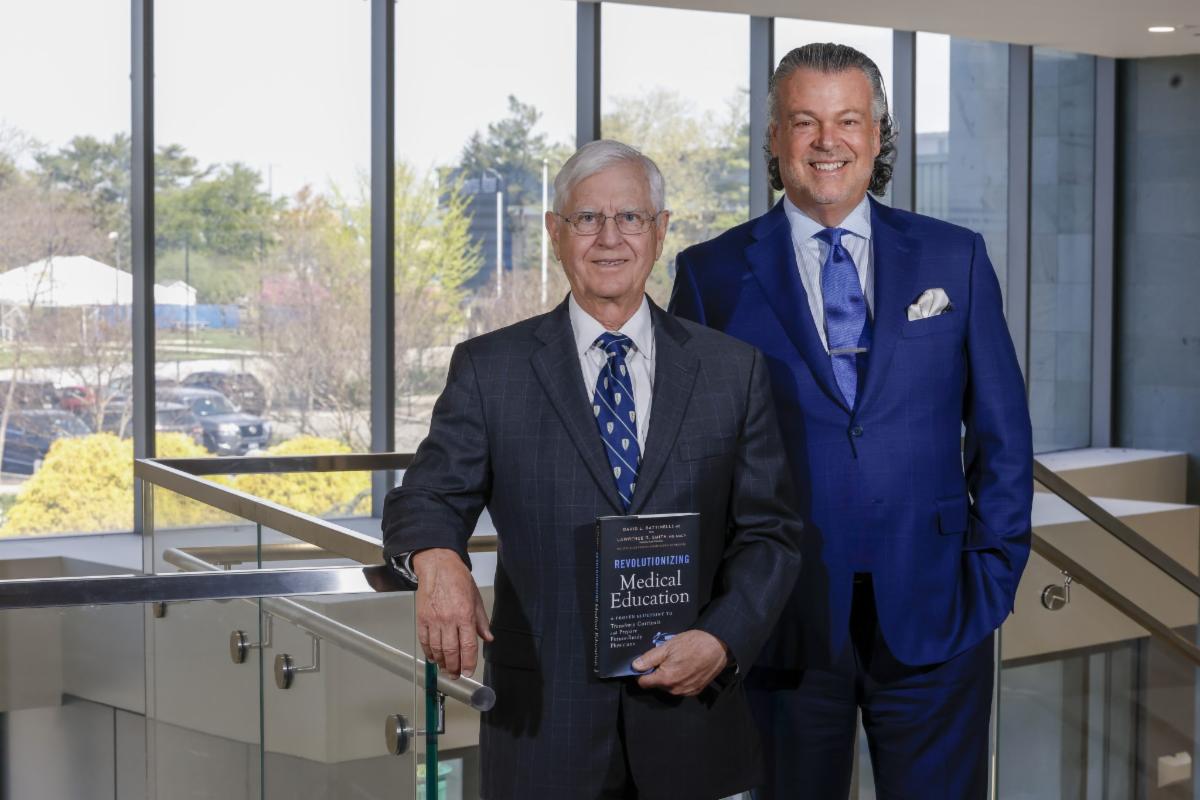
Zucker School of Medicine at Hofstra Northwell: Preparing Tomorrow’s Doctors: Zucker School of Medicine Leaders Share Transformative Blueprint in “Revolutionizing Medical Education”

Roughly 20 years ago a new medical school turned medical education upside down by reimagining how future physicians are trained. Today, that school, the Donald and Barbara Zucker School of Medicine at Hofstra/Northwell, has become a model for other schools around the globe. Its founding physician leaders are now sharing how they closed the gap between advanced medical science and outdated educational methods in a new book, “Revolutionizing Medical Education: Proven Blueprint to Transform Curricula and Prepare Future-Ready Physicians.”

The book, chronicles authors David Battinelli, MD, the Deborah and Lawrence Smith Dean of the Donald and Barbara Zucker School of Medicine at Hofstra/Northwell, and Northwell Health’s physician-in-chief and Lawrence G. Smith, MD, MACP, founding dean emeritus’ transformative approach to medical education — one that has attracted visiting faculty and administrators from over 50 medical schools worldwide — while challenging educators, clinicians and thought leaders to fundamentally rethink how we prepare tomorrow’s physicians. Learn more.

New York Medical College: Exchange Transfusion Linked to Better Outcomes in Severe Babesiosis

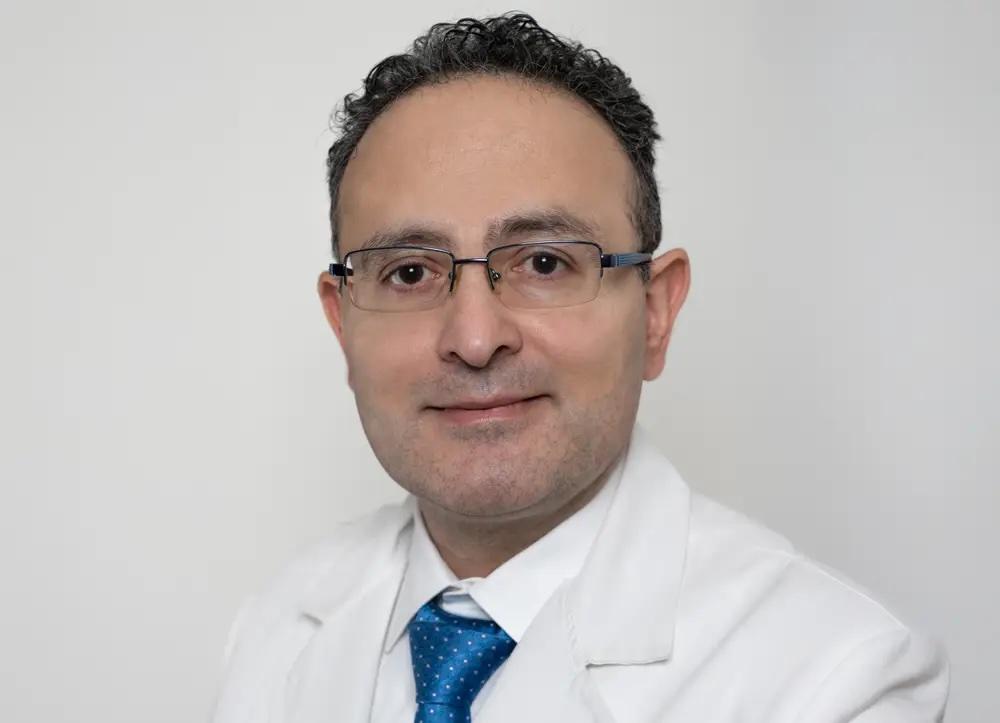
Babesiosis, a tick-borne disease seen worldwide, has increased sharply in recent years, especially across the northeastern United States. For patients with severe illness, red blood cell exchange transfusion (ET) is commonly used—but evidence of its clinical benefit has been limited. A new study by a national group of researchers, including Marc El Khoury, M.D., associate professor of medicine at New York Medical College, now provides that evidence, reporting a significant benefit in findings published in JAMA Internal Medicine. Learn more.

Jacobs School of Medicine & Biomedical Sciences at University at Buffalo: Advancing Medicine’s Approach to Disability

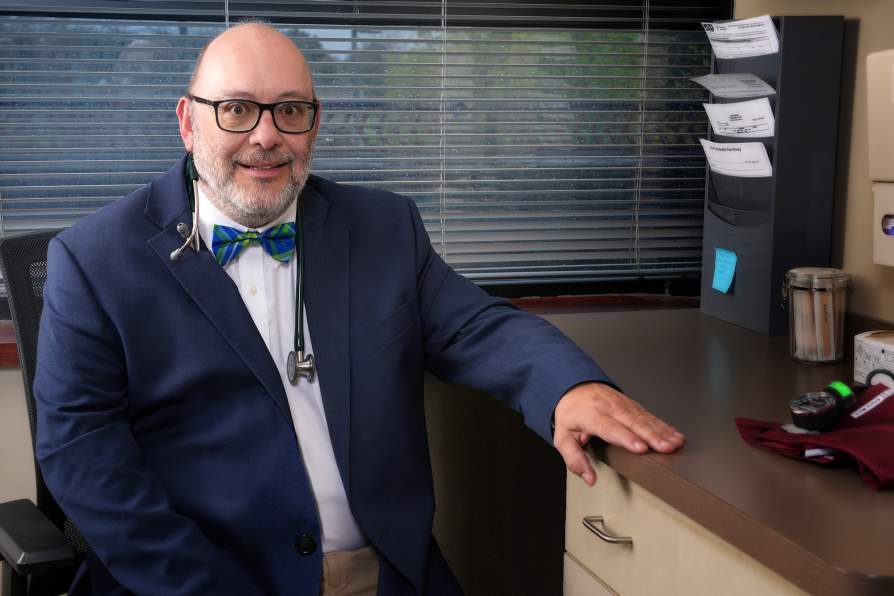
To advance equity and professional development for medical students, trainees, and physicians with disabilities, John D. Hall, MD, clinical associate professor of medicine at the Jacobs School of Medicine and Biomedical Sciences, recently authored a position paper from the American College of Physicians (ACP). Hall is co-author of the Annals of Internal Medicine paper, “Fostering Support and Inclusion for Physicians, Postgraduate Trainees, and Medical Students with Disabilities.”​ Learn more.

SUNY Downstate Health Sciences University: Downstate Faculty Advance Global Child Nutrition Research

Downstate researchers contributed two papers to a special issue of Philosophical Transactions of the Royal Society B, joining an international scientific effort to better understand how nutrition shapes childhood growth and long-term health. Published by the Royal Society, the United Kingdom’s national academy of sciences, Philosophical Transactions has published scientific research for more than four centuries, dating back to the scientific era of Isaac Newton. Learn more.

Thanks for signing up!

Stay up to date with the latest:

By submitting this form, you are granting: Associated Medical Schools of New York, 99 Park Ave, Room 2010 New York, New York, 10016, United States, http://www.amsny.org/ permission to email you. You may unsubscribe via the link found at the bottom of every email. (See our Email Privacy Policy for details.) Emails are serviced by Constant Contact.

Associated Medical Schools of New York (AMSNY)
The Voice of Medical Education
99 Park Ave, Suite 2010 New York, New York, 10016
All rights reserved by their respective owners. Privacy Policy | Disclaimer
© Copyright 2026 AMSNY