Associated Medical Schools of New York
  • About
    • Programs
    • AMSNY Scholars in Medicine and Science
    • AMSNY Scholarship in Medicine
    • Research
    • NYFIRST
    • ECRIP
    • SCIRP
    • Biomedical Research and Economic Development
    • Science Forward
    • Advocacy
    • State Positions
    • Federal Positions
  • News
  • Contact
Newsletter > Biomedical Research News from AMSNY: July 2026

07/29/2026

Biomedical Research News from AMSNY: July 2026

Highlight

Renaissance School of Medicine at Stony Brook University: Faster Aging, Chronic Disease Linked to WTC Responders With PTSD

Post-Traumatic Stress Disorder (PTSD) remains a common condition affecting World Trade Center (WTC) responders 25 years after the attack on the Twin Towers. While the condition is considered mainly psychological, a new study sheds light on changes in the biological processes of WTC patients with PTSD that may explain why PTSD is associated with a variety of chronic diseases that ultimately contribute to aging. Completed by a team of researchers affiliated with the Stony Brook World Trade Center Health and Wellness Program, which monitors the health and provides patient care to some 10,000 WTC responders, and scientists at Duke University, the study is published early online in Nature Communications. Learn more.

Weill Cornell Medicine: Protecting Heart Health in an Era of Temperature Extremes

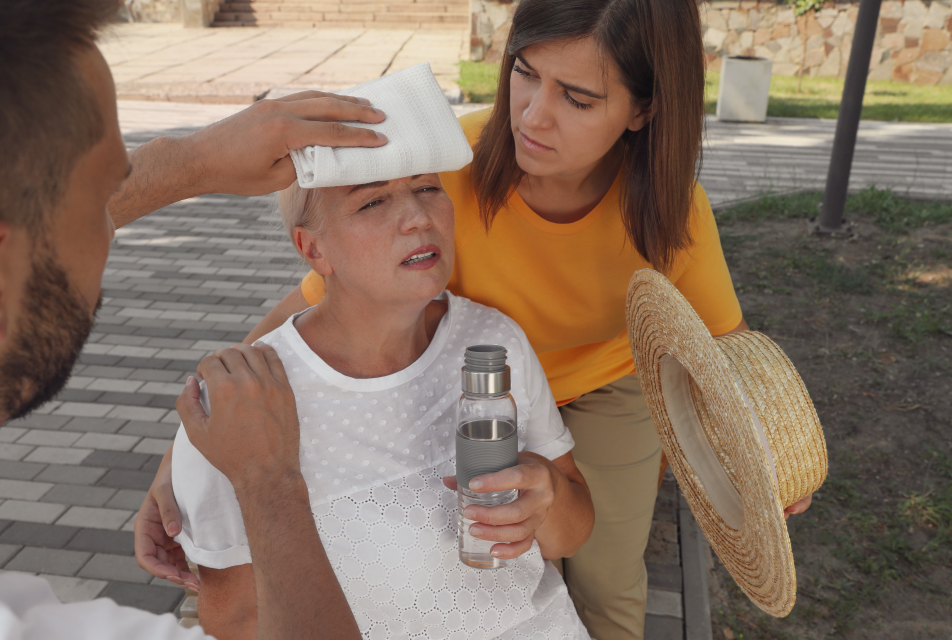
Extreme heat and cold are growing cardiovascular risks that can trigger heart attacks, strokes, heart failure and sudden cardiac death, according to a recent scientific statement by experts at Weill Cornell Medicine and other leading institutions. The statement from the American Heart Association, published in Circulation, outlines contributing factors that endanger health and recommendations to mitigate the rising cardiovascular risks posed by extreme temperatures. Learn more.

Brain & Neuroscience

University of Rochester School of Medicine & Dentistry: Researchers Harness the Body’s Internal Clock to Improve Stroke Recovery

A new study from scientists at University of Rochester Medicine suggests that reinforcing the body’s natural daily rhythms to improve sleep could help the brain recover after a stroke, pointing to a potential new strategy to improve brain waste clearance and outcomes long after the initial injury. The research, which was published in the Journal of Clinical Investigation, found that interventions designed to reinforce the body’s natural circadian rhythms improved recovery in mouse models of stroke. Learn more.

New York Medical College: ADHD Emerges as Overlooked Risk Factor in ACL Surgery Outcomes

Anterior cruciate ligament (ACL) tears make up more than half of all knee injuries in the United States, affecting more than 120,000 people each year. A study by New York Medical College medical students, published in Sports Health: A Multidisciplinary Approach, found that patients with attention-deficit/hyperactivity disorder (ADHD) face a higher risk of requiring revision surgery and other complications.  Learn more.

Zucker School of Medicine at Hofstra Northwell: Study Published in the Journal of Clinical Psychiatry Validates LYBALVI’s Utility for the Treatment of Schizophrenia

Christoph U. Correll, M.D., professor of Psychiatry and Molecular Medicine at The Donald and Barbara Zucker School of Medicine at Hofstra/Northwell, published a 56-week post hoc analysis of the effects of LYBALVI® (olanzapine and samidorphan) on negative symptoms in adults living with schizophrenia in the peer-reviewed publication the Journal of Clinical Psychiatry. The study, “The Efficacy of Olanzapine/Samidorphan on Negative Symptoms: A Post Hoc Analysis of 56-Week Treatment in Patients With Schizophrenia,” published on March 9, found that treatment with LYBALVI was associated with improvement in mean negative symptom scores. LYBALVI is approved in the U.S. for the treatment of schizophrenia in adults, and for the treatment of bipolar I disorder in adults, as a maintenance monotherapy or for the acute treatment of manic or mixed episodes, as monotherapy or as adjunct to lithium or valproate. Learn more.

Aging

Icahn School of Medicine at Mount Sinai: Equal Exposure, Unequal Impact: For First Time, Mount Sinai Researchers Show How Air Pollution Causes Greater Bone Loss in Some Women 50+

A landmark study published today in Frontiers in Public Health found that neighborhood socioeconomic conditions dramatically influence how air pollution affects bone health among postmenopausal women.In one of the largest U.S. studies to examine this relationship, researchers at the Icahn School of Medicine at Mount Sinai found that women in lower neighborhood-level socioeconomic status (nSES) communities experienced up to three times greater bone mineral density loss from the same levels of air pollution exposure than women living in higher-income neighborhoods. Learn more.

Albert Einstein College of Medicine: Albert Einstein College of Medicine Launches BIO-VITAL to Accelerate Gerotherapeutics

Albert Einstein College of Medicine has launched the Batia and Idan Ofer program for Validation of Interventions Targeting Aging and Longevity (BIO-VITAL), a new initiative designed to help biotechnology and pharmaceutical companies advance therapies that target the biology of aging. Housed within Einstein’s Institute for Geroscience, BIO-VITAL brings together leading scientists with expertise in molecular, cellular, preclinical, and human aging biology to support industry partners evaluating novel gerotherapeutics. Learn more.

Cancer

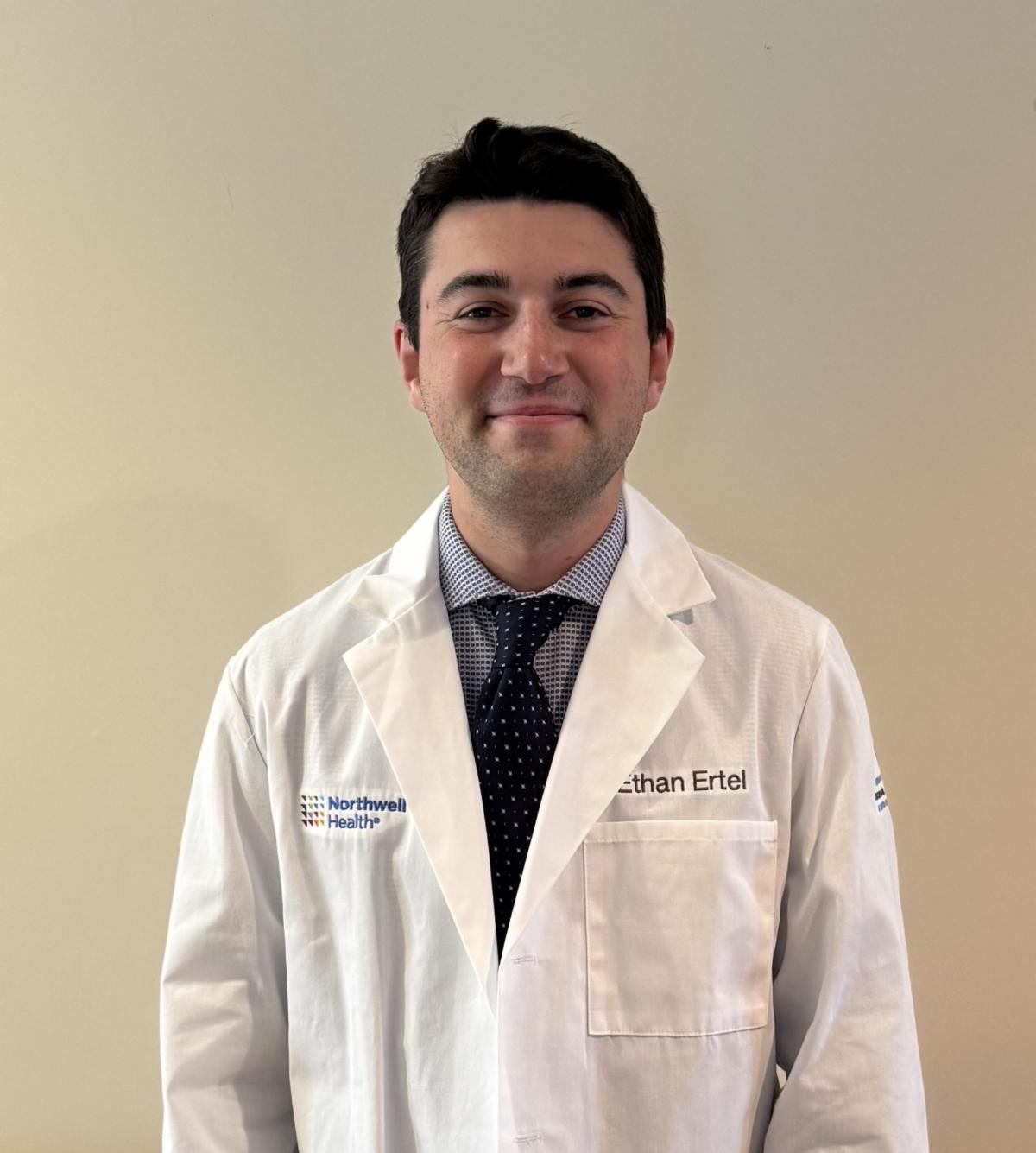
Zucker School of Medicine at Hofstra Northwell: Ethan Ertel to Conduct Pivotal Glioblastoma Research With Head for the Cure Foundation Support

Ethan Ertel, an MD/PhD student from the Donald and Barbara Zucker School of Medicine at Hofstra/Northwell, will join Northwell and Cold Spring Harbor Laboratory (CSHL) teams to conduct pivotal glioblastoma research. Ertel will contribute to the collaborative laboratory overseen by Northwell’s John Boockvar, MD, and CSHL’s Alea Mills, PhD, to investigate novel therapeutic strategies for glioblastoma, one of the most aggressive forms of brain cancer.

This unique opportunity is made possible through generous annual funding from the Head for the Cure Foundation, underscoring a shared commitment to accelerating breakthroughs in neuro-oncology. Learn more.

SUNY Downstate Health Sciences University: Downstate Researchers Identify New Molecular Pathway in Breast Cancer

Downstate researchers have uncovered an important new clue in how breast cancer develops—one that could help shape future treatments.

In a study published in iScience, researchers led by Henri Tiedge, Ph.D., Distinguished Professor, identified a molecule called BC200 RNA that interferes with BRCA1, a gene that helps protect the body against breast cancer by repairing damaged DNA. Learn more.

Weill Cornell Medicine: Colon Cancer Cells May Change Identity to Metastasize

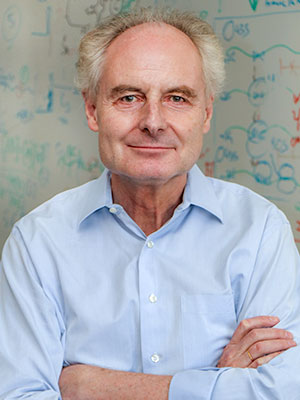
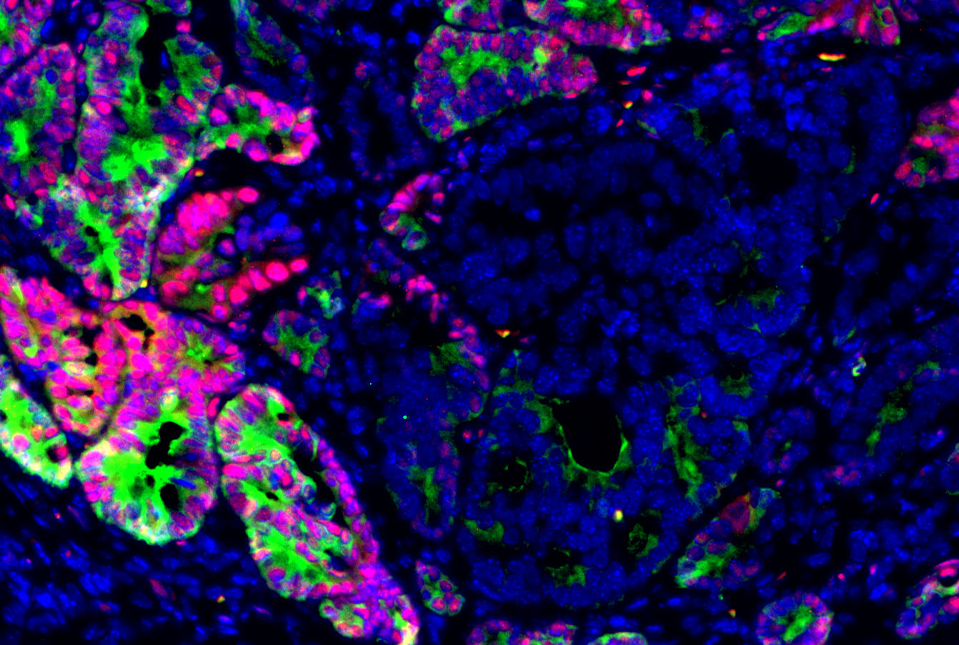
Loss of GATA6—a transcription factor that controls which genes are turned on or off—can reprogram colorectal cancer cells into more primitive, adaptable states that can then spread to the liver and establish new tumors, according to Weill Cornell Medicine and Massachusetts Institute of Technology (MIT) researchers. Understanding how cancer cells acquire the ability to metastasize could reveal new ways to stop this deadly process.

Under normal conditions, GATA6 acts like a molecular “identity keeper” for cells lining the intestine, helping maintain a stable, well-defined state. However, the study, published June 22 in Cell Stem Cell, found that GATA6 expression is significantly reduced in liver metastases in both mice and human colorectal cancer patients, and that low GATA6 levels correlate with poorer clinical outcomes. Learn more.

Albert Einstein College of Medicine: Study Identifies Molecular Pathway That Drives Myelodysplastic Syndromes

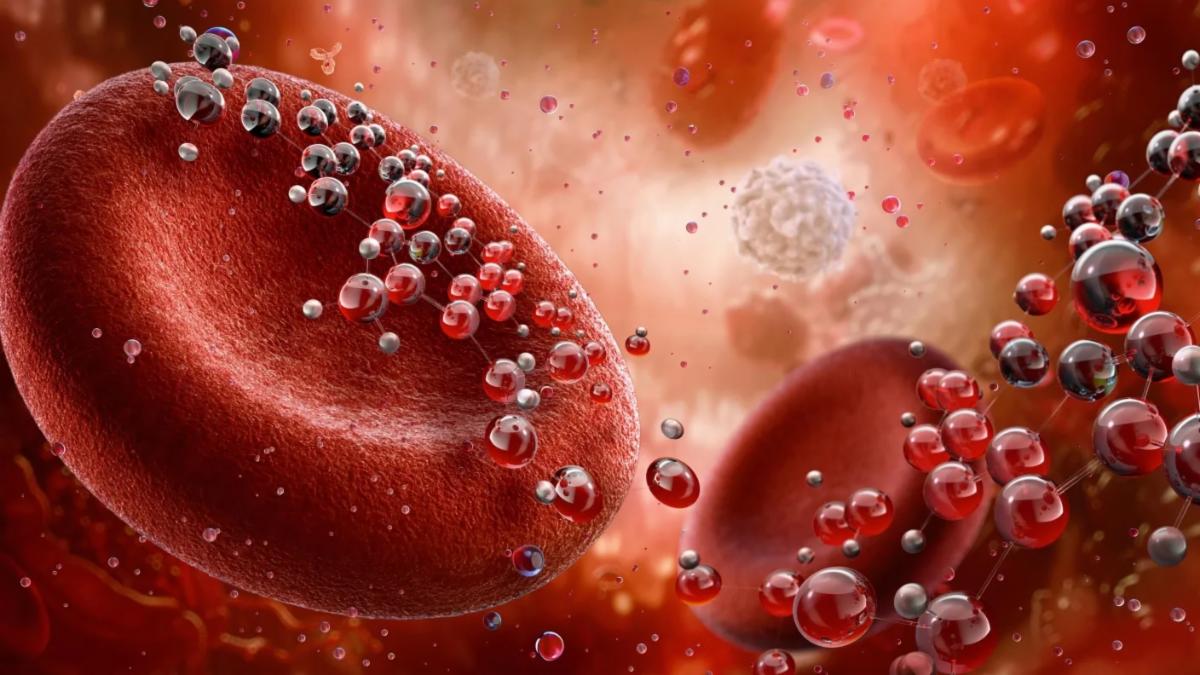
Researchers at Montefiore Einstein Comprehensive Cancer Center (MECCC) have discovered a mechanism that disrupts red blood cell production in myelodysplastic syndromes (MDS), a group of bone marrow disorders marked by chronic anemia and an increased risk of leukemia. In a paper published May 13 in Nature Communications, Amit Verma, M.B.B.S., Srinivas Aluri, Ph.D., and colleagues show how elevated levels of the signaling protein TGF-β1 interfere with normal red blood cell production, contributing to the pre-cancerous condition. Learn more.

Nutrition & Metabolic Health

Renaissance School of Medicine at Stony Brook University: Study Reveals Why a Plant-Based Protein Diet May Curb Inflammatory Bowel Diseases

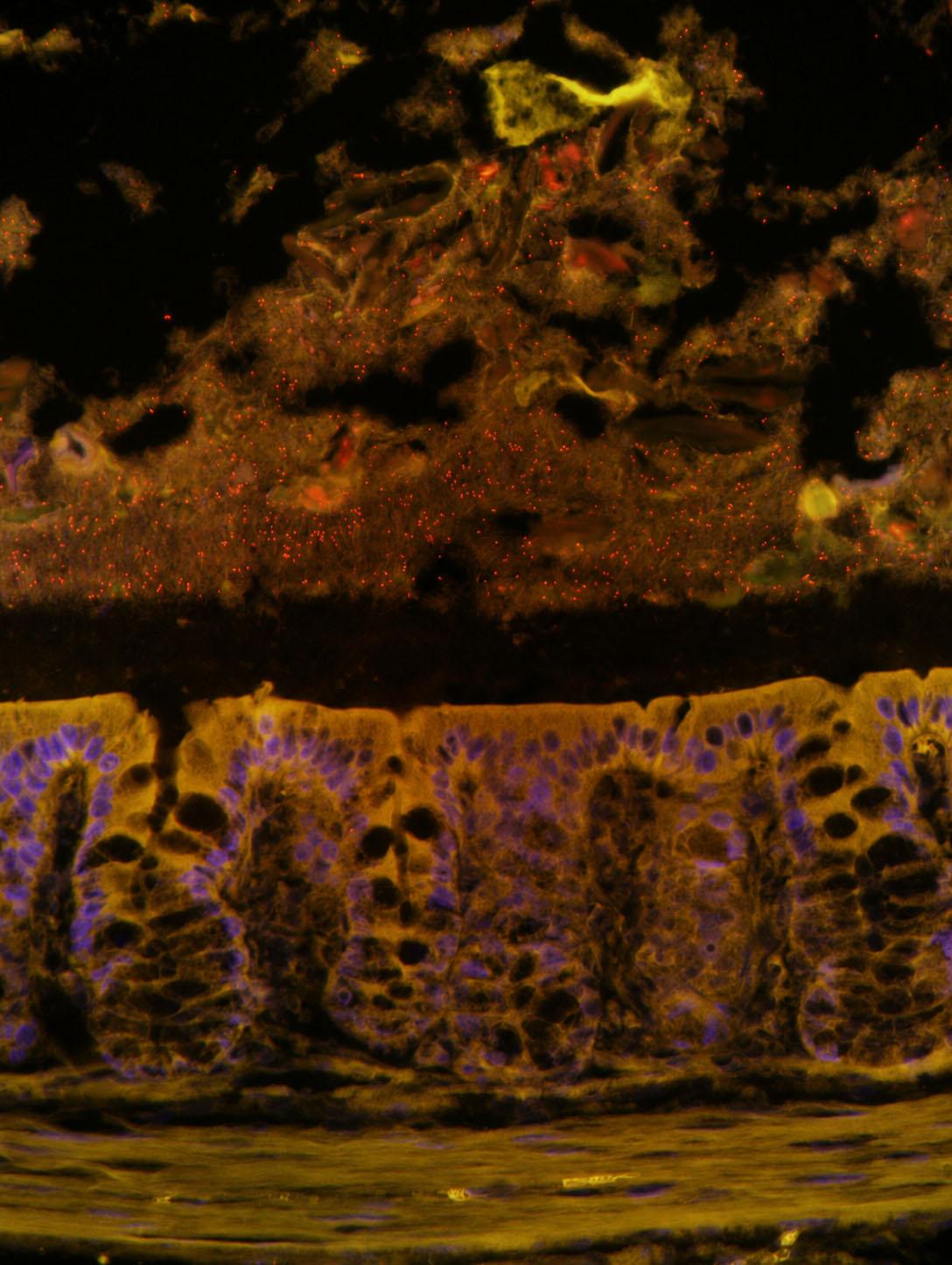
Millions of people in the United States and worldwide suffer from inflammatory bowel diseases (IBD). While high consumption of red meat is associated with higher incidences and relapses for IBD patients, understanding the reasons why has not been clear. A new study published in the journal Cellular and Molecular Gastroenterology and Hepatology unravels how dietary protein sources mediate colitis (a form of IBD) pathogenesis. The findings point toward a heightened importance of specific plant-based protein sources over meat for IBD patient consumption. Learn more.

Jacobs School of Medicine & Biomedical Sciences at University at Buffalo: Family-Based Behavioral Treatment for Overweight Children can Prevent Metabolic Disease Later in Life

Every parent wants to raise healthy kids who then grow up to become healthy adults. But when a third of children in the U.S. are either overweight or obese, that goal seems increasingly elusive.

A new University at Buffalo study, covering 40 years of data and more than 1,000 families in different regions in the U.S., reveals that the family-based behavioral treatment developed at UB for children and parents who are overweight or obese can prevent children from developing metabolic disease when they grow up. Learn more.

Columbia University Vagelos College of Physicians and Surgeons: Skimping on Sleep Leads to Weight Gain

People who shortened their sleep by around 80 minutes a night for six weeks gained weight—one pound on average—and were more sedentary, researchers at Columbia University Vagelos College of Physicians and Surgeons have found. “Our study shows that getting adequate sleep may help reduce the risk of weight gain and obesity-related conditions like heart disease and diabetes,” says Marie-Pierre St-Onge, a professor of nutritional medicine in Columbia’s Department of Medicine and Institute for Human Nutrition and study leader. Learn more.

Awards, Grants & Recognitions

CUNY School of Medicine: Educators Recognized with Raise the Line Faculty Award

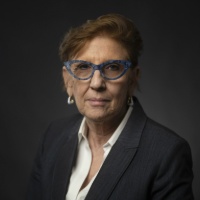
A number of CUNY School of Medicine educators were recognized with this year’s Raise the Line Faculty Award. Presented by academic publisher Elsevier, the award celebrates those who are training the next generation of healthcare workers, and working to increase the capacity of healthcare systems around the world. Selected as Grand Prize winner in the MD/DO category was Senior Associate Dean for Research and Chief Research Officer Maria Lima, PhD, for her outstanding work in advancing our medical research. Nancy Sohler, PhD, Associate Medical Professor, was announced winner in the health equity category for her dedication to community health.

Led with a nomination of Dean Carmen Renée Green, MD, we’re also proud to share our nominees in the following categories:

  • MD/DO: Susan Ball, MD, MPH, MS; Anand Bhatia, MBBS, MBA; Laiba Chaudhry, Lauren Cochran, MD, MPH; Andreas Kottmann, PhD; Helen Kurian, MD; Dani McBeth, PhD, and John Raffalli, MD
  • Student Advisor and Learning and Design: Marvia Alston, Juana Carmona, MA, Nicholas Cordero, William Manriquez, and Ethan Newman

CUNY School of Medicine strives for excellence with community at heart. The school is thrilled to see its leaders paving the way for a better future in healthcare. Learn more.

Icahn School of Medicine at Mount Sinai:Veronica Rivera, MD, Named Clinician of the Year by the American Geriatrics Society

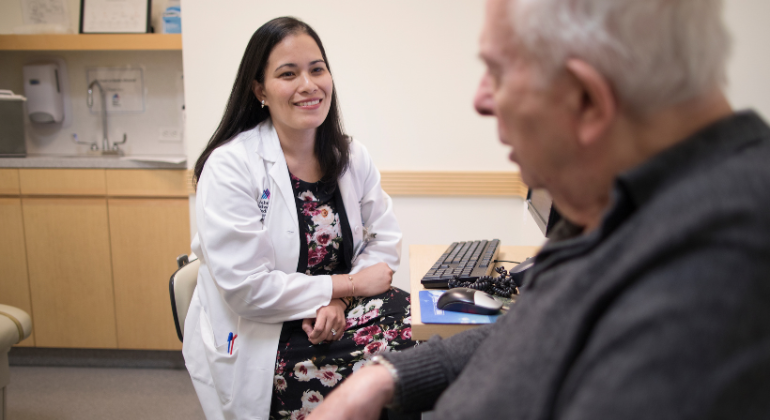
Veronica Rivera, MD, Associate Professor, Geriatrics and Palliative Medicine, Icahn School of Medicine at Mount Sinai, was named the 2026 Clinician of the Year by the American Geriatrics Society.  The award is one of the nation’s highest honors in geriatrics, recognizing excellence in the clinical care of older adults and highlighting the role of the geriatrician in our health care system. The AGS chose to honor Dr. Rivera in light of her “exceptional clinical career dedicated to strengthening community-based health programs, leveraging technology to improve the care of older adults, and integrating age-friendly principles beyond specialty settings.” Learn more.

Columbia University Vagelos College of Physicians and Surgeons: Columbia and Weill Cornell Medicine Researchers Awarded $17.25 Million to Study Profound Autism

Researchers at Columbia University Irving Medical Center and Weill Cornell Medicine have won a $17.25 million grant from the Aligning Research to Impact Autism (ARIA) initiative to study profound autism, which affects over one quarter of individuals who are on the autism spectrum. People with profound autism are often nonverbal and require 24-hour support and assistance with daily tasks throughout their lives. Learn more.

More Studies & News

Jacobs School of Medicine & Biomedical Sciences at University at Buffalo: Three-In-One Vaccine Shows Promise Against ‘Tripledemic’

Flu season is no longer just flu season. Since 2022, the health care community has faced what’s known as a “tripledemic” of seasonal influenza, COVID-19 and respiratory syncytial virus (RSV). That may mean that the flu shot needs to become more than a flu shot. A single-shot vaccine under development at the University at Buffalo could protect against flu, COVID-19 and RSV simultaneously. Learn more..

SUNY Downstate Health Sciences University: Downstate Expands National Mentorship and Research Training Through NIH-Funded SPNSOR Program

Downstate recently welcomed a new cohort of rising biomedical researchers from across the country through its NIH-funded Structured Professional Networks for Successful Outcomes in Research (SPNSOR) program.

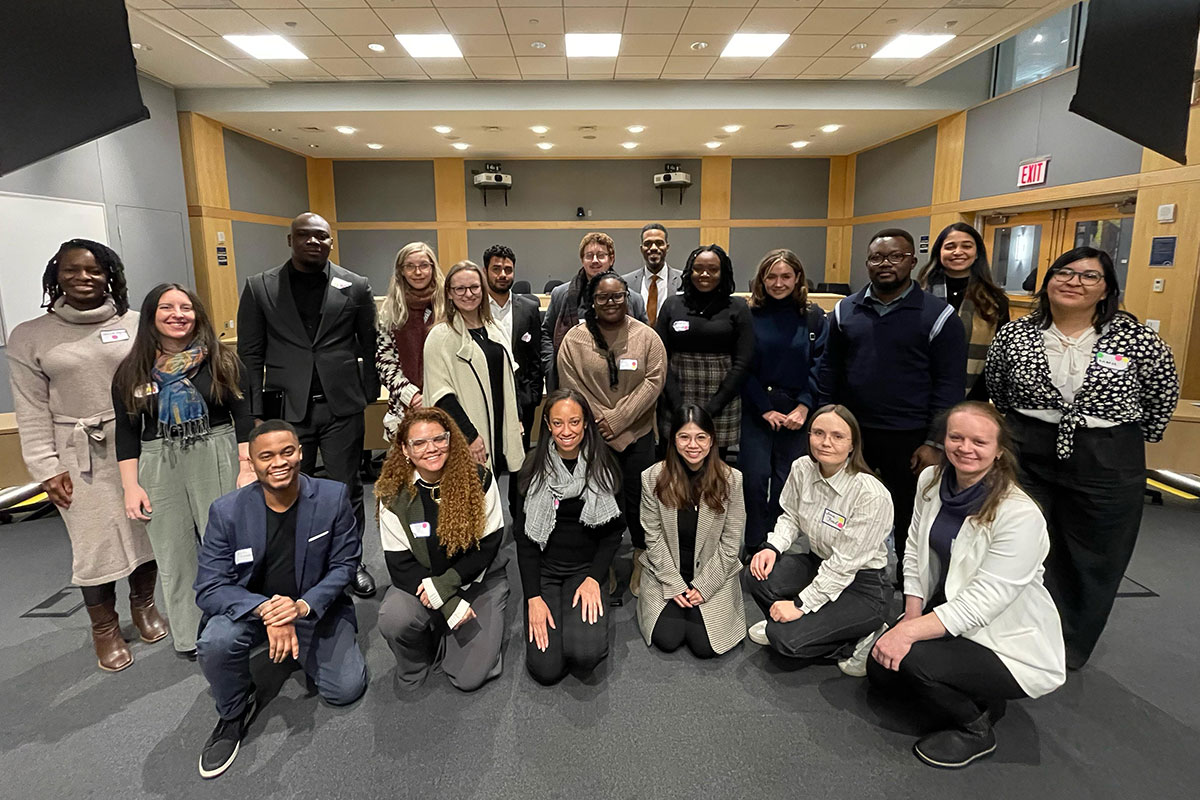
From January through March, 21 postdoctoral fellows representing 19 institutions nationwide participated in the program, which helps early-career scientists build the mentorship networks, leadership skills, and professional strategies needed to succeed in academic medicine and biomedical research. Learn more.

New York Medical College: Hispanic Adults with Met-ALD Face Higher Rates of Serious Liver Complications

Hispanic adults with metabolic and alcohol-associated liver disease (Met-ALD) suffer from a greater frequency of serious liver-related complications compared with non-Hispanic patients, according to a new study led by Mohamed Eldesouki, M.D., an internal medicine resident at New York Medical College, and published in Gastro Hep Advances. Learn more.

Thanks for signing up!

Stay up to date with the latest:

By submitting this form, you are granting: Associated Medical Schools of New York, 99 Park Ave, Room 2010 New York, New York, 10016, United States, http://www.amsny.org/ permission to email you. You may unsubscribe via the link found at the bottom of every email. (See our Email Privacy Policy for details.) Emails are serviced by Constant Contact.

Associated Medical Schools of New York (AMSNY)
The Voice of Medical Education
99 Park Ave, Suite 2010 New York, New York, 10016
All rights reserved by their respective owners. Privacy Policy | Disclaimer
© Copyright 2026 AMSNY