Associated Medical Schools of New York
  • About
    • Programs
    • AMSNY Scholars in Medicine and Science
    • AMSNY Scholarship in Medicine
    • Research
    • NYFIRST
    • ECRIP
    • SCIRP
    • Biomedical Research and Economic Development
    • Science Forward
    • Advocacy
    • State Positions
    • Federal Positions
  • News
  • Contact
Newsletter > Biomedical Research News from AMSNY: February 2026

02/27/2026

Biomedical Research News from AMSNY: February 2026

News from AMSNY

As NIH Funding Shifts, States Are Looking for a New Research Model

A handful of states are trying to increase funding for scientific research after the cascade of paused and terminated grants and swift, unpredictable shifts in federal funding. State and local governments historically have played a small role in science funding, but in Massachusetts, UMass Chan Medical School is looking for alternatives. There also are proposals in New York, Texas, Pennsylvania, and California. Researchers say state money could allow them to offer faculty bridge funding as they await NIH funds and also support early career faculty. Learn More

Highlights

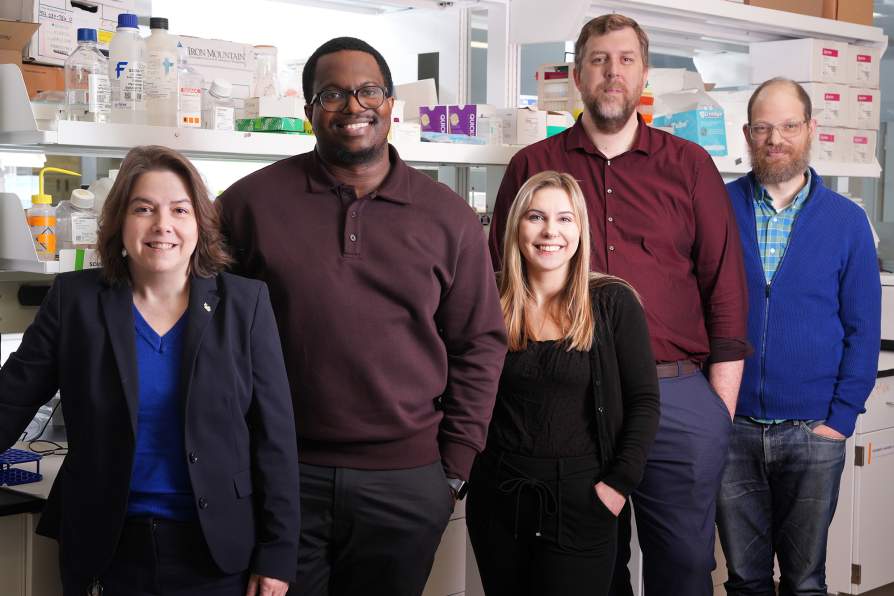
Columbia University Vagelos College of Physicians & Surgeons: Columbia to Test New Strategy for Curbing Bird Flu on Poultry Farms

When it comes to resisting bird flu, chickens on poultry farms are like sitting ducks. Last year, a highly pathogenic avian influenza virus, H5N1, ripped through poultry farms across the United States, prompting farmers to cull tens of millions of chickens to contain the outbreaks. As egg production plummeted, egg prices soared to sky-high levels. Though the outbreaks have slowed and egg prices have decreased, the virus hasn’t gone away. Scientists believe it’s just a matter of time before avian influenza comes roaring back and does further damage to the agriculture industry. Chicken farms are not where researchers David Brenner and David Welch at the Columbia University Center for Radiological Research expected to test their antiviral technology. Learn More

Jacobs School of Medicine & Biomedical Sciences at the University at Buffalo: UB Researchers Develop New Inhalable Treatment for TB

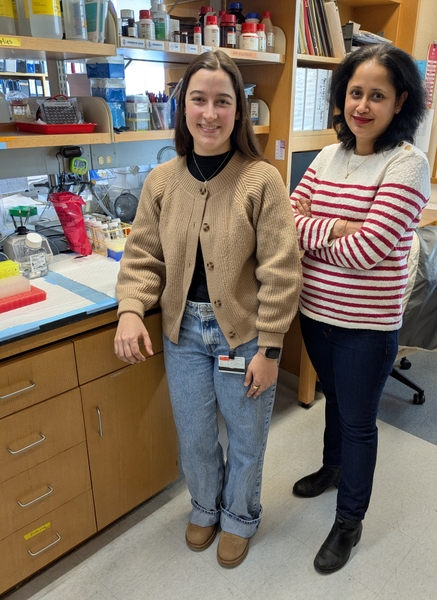
Researchers at the Jacobs School of Medicine and Biomedical Sciences have developed a new inhalable form of tuberculosis (TB) treatment that could significantly reduce the burden of current therapy. The study’s findings were published online Jan. 14 in the journal Antimicrobial Agents and Chemotherapy. Jessica L. Reynolds, PhD, associate professor of medicine in the Jacobs School, is senior author on the paper titled “Repeated Pulmonary Dosing of β-Glucan-Chitosan-PLGA Nanoparticles Controls Mycobacterium Tuberculosis in Mice.” Learn More

Cardiology

New York Medical College: Study Uncovers Early Driver of Pulmonary Arterial Hypertension

Pulmonary arterial hypertension (PAH) remains a progressive and incurable disease, which, if left untreated, can lead to heart failure. New research by New York Medical College faculty published in Molecular Medicine has identified a key culprit in the early development of the disease that, if harnessed, could lead to early disease detection and therapeutic intervention in PAH patients before irreversible vascular damage occurs. Learn More

Cancer

Weill Cornell Medicine: Gut Bacteria May Tip the Balance between Feeding Tumors and Fueling Immunity

A new study reveals how bacteria in the gut can help determine whether the amino acid asparagine from the diet will feed tumor growth or activate immune cells against the cancer​, according to researchers at Weill Cornell Medicine. This casts the gut microbiome—the trillions of microorganisms living in the intestine—as a central player in the body’s response to cancer and to modern cancer treatments like immunotherapies. The findings, published, Jan. 2 in Cell Microbe and Host, could lead to a novel cancer treatment approach and monitoring strategy—instead of targeting tumors directly, clinicians may one day be able to reshape the gut microbiome or diet to starve tumors while supercharging immune cells. Learn More

University of Rochester School of Medicine & Dentistry: More News on Taurine’s Link to Cancer: As It Fuels Leukemia, It May Also Impact Bone Health

In a groundbreaking basic science study last year, researchers discovered that taurine, available in energy drinks and as a supplement, feeds the growth of leukemia stem cells. A new study recently published by the same Wilmot Cancer Institute team expands that work and suggests that as taurine fuels leukemia, it becomes less available for other normal cells and may result in weaker bones in mice. Many cancer patients have reduced bone density and struggle with osteoporosis and osteopenia—and researchers speculate that lack of taurine uptake may be involved. Learn More

Icahn School of Medicine at Mt. Sinai: Experimental Therapy Targets Cancer’s Bodyguards, Turning Foe to Friend to Eliminate Tumors

Scientists at the Icahn School of Medicine at Mount Sinai have developed an experimental immunotherapy that takes an unconventional approach to metastatic cancer: instead of going after cancer cells directly, it targets the cells that protect them. The study, published in the January 22 online issue of Cancer Cell, a Cell Press Journal [DOI 10.1016/j.ccell.2025.12.021], was conducted in aggressive preclinical models of metastatic ovarian and lung cancer. It points to a new strategy for treating advanced-stage solid tumors. Learn More

Weill Cornell Medicine: Scientists Identify Pre-Cancerous States in Seemingly Normal Aging Tissues

A new single-cell profiling technique has mapped pre-malignant gene mutations and their effects in solid tissues for the first time, in a study led by investigators at Weill Cornell Medicine and the New York Genome Center.The research, published Dec. 31 in Cancer Discovery, demonstrates a practical method for simultaneously measuring specific DNA mutations and gene activity in thousands of individual cells from human tissue. The technique is expected to be useful for studying pre-cancerous cells and may ultimately guide early cancer detection and preventive therapies. Learn More

Neurology

Zucker School of Medicine at Hofstra/Northwell: Are Higher Temperatures Connected to Risk of Having a Stroke

A new study published in the International Journal of Environmental Research and Public Health found that people who live in neighborhoods that are more vulnerable to heat are more likely to suffer from severe strokes. Jason Wang, MD, a professor in radiology, medicine, and molecular medicine at the Zucker School of Medicine at Hofstra/Northwell, was the lead author of the research led by the Harvey L. Neiman Health Policy Institute and conducted at the PRIME research center at Northwell Health. Learn More

New York Medical College: Study Offers New Insight into Brain’s Response to Opioids

A study by New York Medical College faculty researchers, published in the Journal of Neuroscience, offers new insight into how the brain responds to repeated opioid exposure and challenges some long-standing assumptions along the way. Focusing on orexin, a brain peptide known to regulate wakefulness, motivation, and reward, the research reveals that opioids may disrupt this system in unexpected ways. Learn More

Renaissance School of Medicine at Stony Brook University: Increased Levels of a Protein Linked to Alzheimer’s Found in Some With Long COVID

A study of 227 individuals who experienced neuro cognitive difficulties post COVID-19 infection – such as headaches, vertigo, balance dysregulation, changes in taste/smell, and brain fog – displayed a significant increase in their blood plasma of a crucial protein called tau, which is found in nerves and especially in the brain. Excess levels of tau are linked to neurodegenerative diseases and found in many Alzheimer’s patients. Published in eBioMedicine, the study suggests that people who experience Long COVID neurocognitive symptoms could be at further risk for neurodegenerative diseases. Learn More

More Studies

Zucker School of Medicine at Hofstra/Northwell: Study Finds Minority Births are in the Majority in U.S. for the First Time

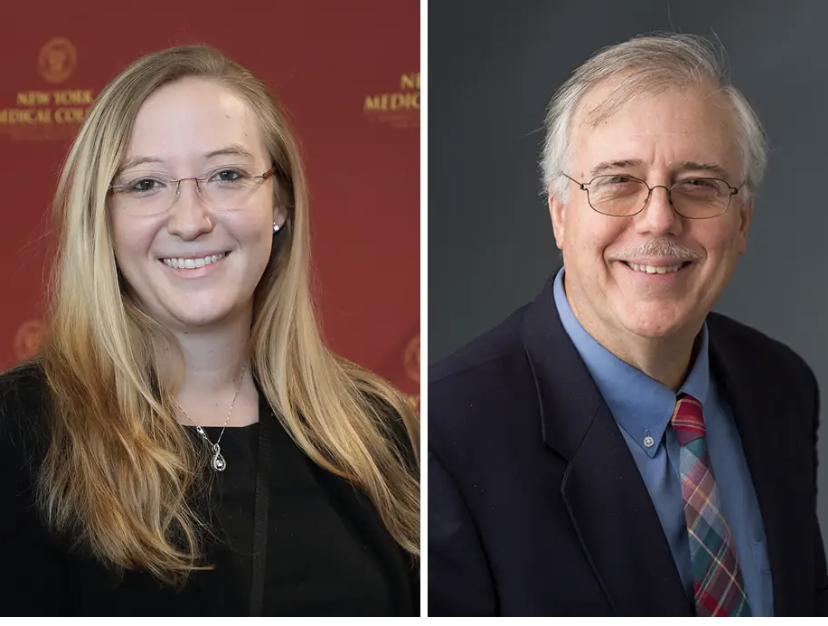
White births are no longer in the majority in the United States. A study published on Jan. 30 by Amos Grünebaum, MD, and Frank A. Chervenak, MD, found this to be the case. Doctors Grünebaum and Chervenak are professors of obstetrics and gynecology at the Donald and Barbara Zucker School of Medicine at Hofstra/Northwell; Dr. Chervenak also serves as an associate dean of internal medicine. Their study, which analyzed data from 2016 to 2024, concluded that minority births are now the majority, driven largely by a rise in Hispanic births. Learn More

Albert Einstein College of Medicine: Medical Cannabis Program Reduces Opioid Use

Adults with chronic pain who participated in New York State’s (NYS) Medical Cannabis Program were significantly less likely to require prescription opioids, according to a new study published today in JAMA Internal Medicine and led by researchers at Albert Einstein College of Medicine and Montefiore Health System. “Chronic pain and opioid addiction are two of the most pressing health challenges in the United States,” said Deepika E. Slawek, M.D., M.S., the study’s lead author, associate professor of medicine at Einstein, and an internal medicine and addiction medicine specialist at Montefiore. Learn More

Icahn School of Medicine at Mt. Sinai: Major Review Finds Exposure to “Forever Chemicals” Linked to Higher Risk of Gestational Diabetes

Exposure to per- and polyfluoroalkyl substances (PFAS), a class of highly persistent environmental chemicals commonly referred to as “forever chemicals,” is associated with a higher risk of gestational diabetes mellitus and altered markers of insulin resistance and insulin secretion, according to a new systematic review and meta-analysis led by researchers at the Icahn School of Medicine at Mount Sinai. The review, published in The Lancet eClinicalMedicine, represents the most comprehensive evaluation to date of PFAS exposure in relation to diabetes risk and clinical markers of glycemic control across the lifespan. Learn More

Columbia University Vagelos College of Physicians & Surgeons: Can Nutrient Supplements Prevent Glaucoma?

One of the most effective treatments for glaucoma, latanoprost, was developed by Columbia ophthalmology researcher Laszlo Bito, PhD, who in the 70s and 80s conducted the key studies that led to the drug’s approval in 1996. Since then, latanoprost has been the first-line treatment for reducing pressure inside the eye and preventing optic nerve damage and blindness.Though the drug has saved the sight of millions of people, Simon John, PhD, a glaucoma researcher at Columbia, says there’s still room for improvement. Learn More

Renaissance School of Medicine at Stony Brook University: Glut1 Protein May be a Potential Therapeutic Target for Kidney Disease

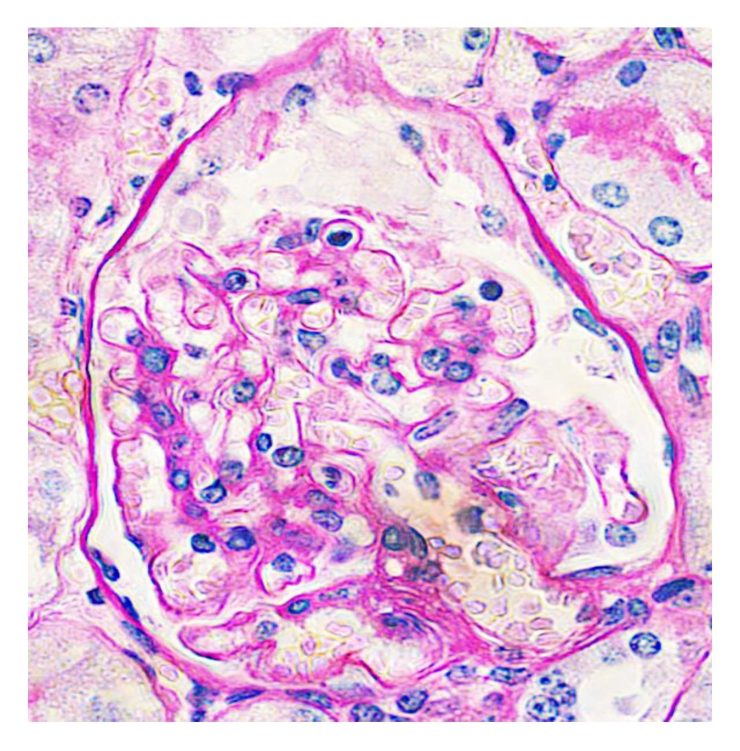
Targeting and disabling a certain protein essential to transporting glucose properly through cells (Glucose Transporter 1, or Glut1) could be a new way to fight kidney disease, according to a study led by Partha Biswas, DVM, PhD, of the Renaissance School of Medicine (RSOM) at Stony Brook University. The research, detailed in a paper published in the Journal of Clinical Investigation Insight, is based on a model of one of the most damaging forms of kidney disease. Learn More

University of Rochester School of Medicine & Dentistry: Specialty Care Remains Out of Reach for Many Children with Uncontrolled Asthma

Only about one in six historically marginalized children with uncontrolled asthma in a Rochester, New York-based study saw an asthma specialist in the past year, despite clinical guidance recommending specialty evaluation and management of the condition. The study, published in the Journal of Asthma, analyzed data from a school-based asthma program that provides telemedicine access to specialist-supported care for children living in the city of Rochester (ages 4-12 years) with moderate to severe asthma. Researchers found that only 37% of children had ever been seen by a specialist such as a pulmonologist or allergist, and just 16% had received specialist care in the prior year. Learn More

Jacobs School of Medicine & Biomedical Sciences at the University at Buffalo: Harm Reduction Vending Machines in New York State Expand Access to Overdose Treatment and Drug Test Strips, UB Studies Confirm

Two studies led by an opioid treatment program run by the University at Buffalo and UBMD Emergency Medicine have found that harm reduction vending machines installed across New York State are well utilized and provide critical, lifesaving services to high-risk individuals who might not otherwise have access.The studies, published late last year, evaluate the performance of the 15 harm reduction vending machines installed throughout New York State by the MATTERS Network, based at UBMD Emergency Medicine and UB. Learn More

Albert Einstein College of Medicine: Einstein Holds Inaugural Start-Up Showcase

On November 13, 2025, Albert Einstein College of Medicine welcomed more than 100 attendees to its inaugural Start-Up Showcase. The event brought together representatives from biotech companies founded on Einstein discoveries with potential investors, industry leaders, faculty, board members, alumni, and other interested parties. The showcase highlighted the College of Medicine’s growing momentum in commercialization, building on decades of innovation, and ongoing commitment to supporting faculty and partners. Learn More

Thanks for signing up!

Stay up to date with the latest:

By submitting this form, you are granting: Associated Medical Schools of New York, 99 Park Ave, Room 2010 New York, New York, 10016, United States, http://www.amsny.org/ permission to email you. You may unsubscribe via the link found at the bottom of every email. (See our Email Privacy Policy for details.) Emails are serviced by Constant Contact.

Associated Medical Schools of New York (AMSNY)
The Voice of Medical Education
99 Park Ave, Suite 2010 New York, New York, 10016
All rights reserved by their respective owners. Privacy Policy | Disclaimer
© Copyright 2026 AMSNY