Associated Medical Schools of New York
  • About
    • Programs
    • AMSNY Scholars in Medicine and Science
    • AMSNY Scholarship in Medicine
    • Research
    • NYFIRST
    • ECRIP
    • SCIRP
    • Biomedical Research and Economic Development
    • Science Forward
    • Advocacy
    • State Positions
    • Federal Positions
  • News
  • Contact
Newsletter > Biomedical Research News from AMSNY: April 2026

04/24/2026

Biomedical Research News from AMSNY: April 2026

Highlights

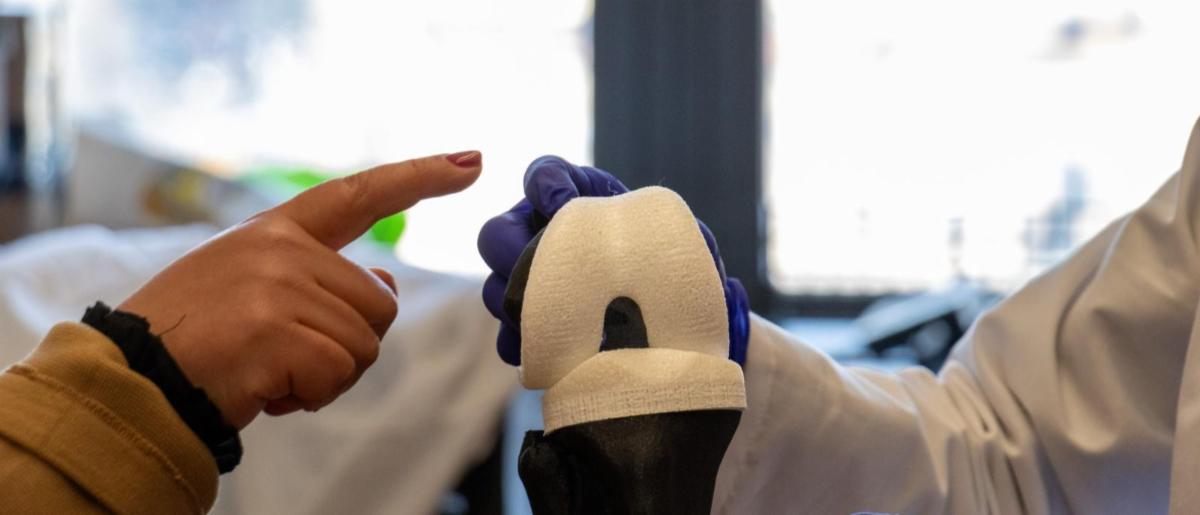
Columbia University Vagelos College of Physicians and Surgeons: Can This “Living Knee” Revolutionize Joint Replacement?

Whenever Nadeen Chahine and Clark Hung, Columbia biomedical engineers and orthopedic scientists, meet patients living with the pain of knee osteoarthritis, their stories remind them why they set out to design a better implant that can regenerate the knee. Men and women in their 60s, 50s, and even younger are enduring bone-on-bone pain in their knees caused by osteoarthritis, while they are forced to wait for a knee replacement surgery that’s usually reserved for older patients. Learn more

Renaissance School of Medicine at Stony Brook University: Study Shows Prenatal Stressors Are Independently Associated With More Infant Inflexibility

A study of 1,585 pregnant women during the COVID-19 era reveals that prenatal risk as defined by a multitude of maternal psychosocial stressors is associated with greater infant inflexibility and difficulty with routines during a baby’s first year of life. Led by Stony Brook Medicine researcher Heidi Preis, MSW, PhD, the study findings illustrate that stress experienced during pregnancy clearly impacts the socioemotional development of babies, even after accounting for postpartum experiences of stress. Learn more

Artificial Intelligence

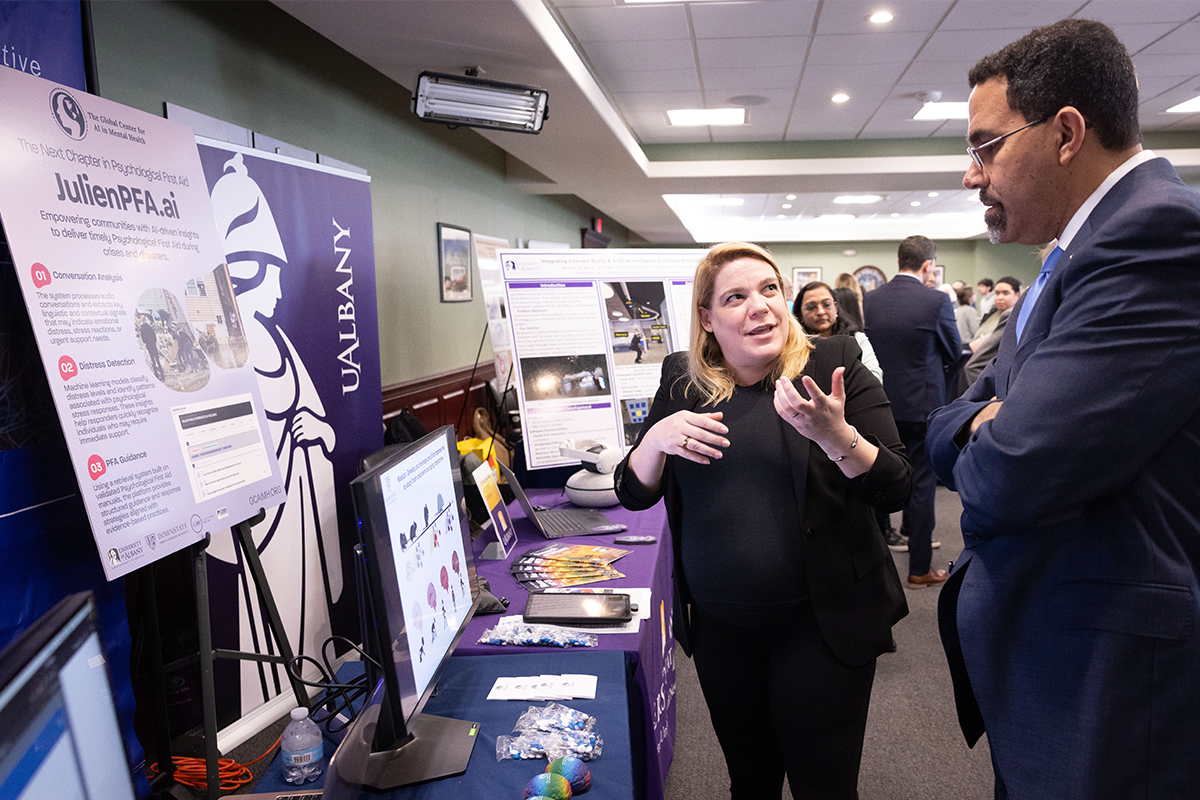
SUNY Downstate Health Sciences University Advances AI and Neuroscience at SUNY Research Expo

Downstate was among 10 campuses represented at the recent SUNY Research Expo in Albany. The event convened state leaders, faculty, and students to highlight research that improves health, strengthens the economy, and advances innovation across New York, where Chancellor John B. King Jr. opened the Expo by emphasizing the statewide impact of SUNY research on improving the lives of New Yorkers and advancing the state’s research agenda. Learn more

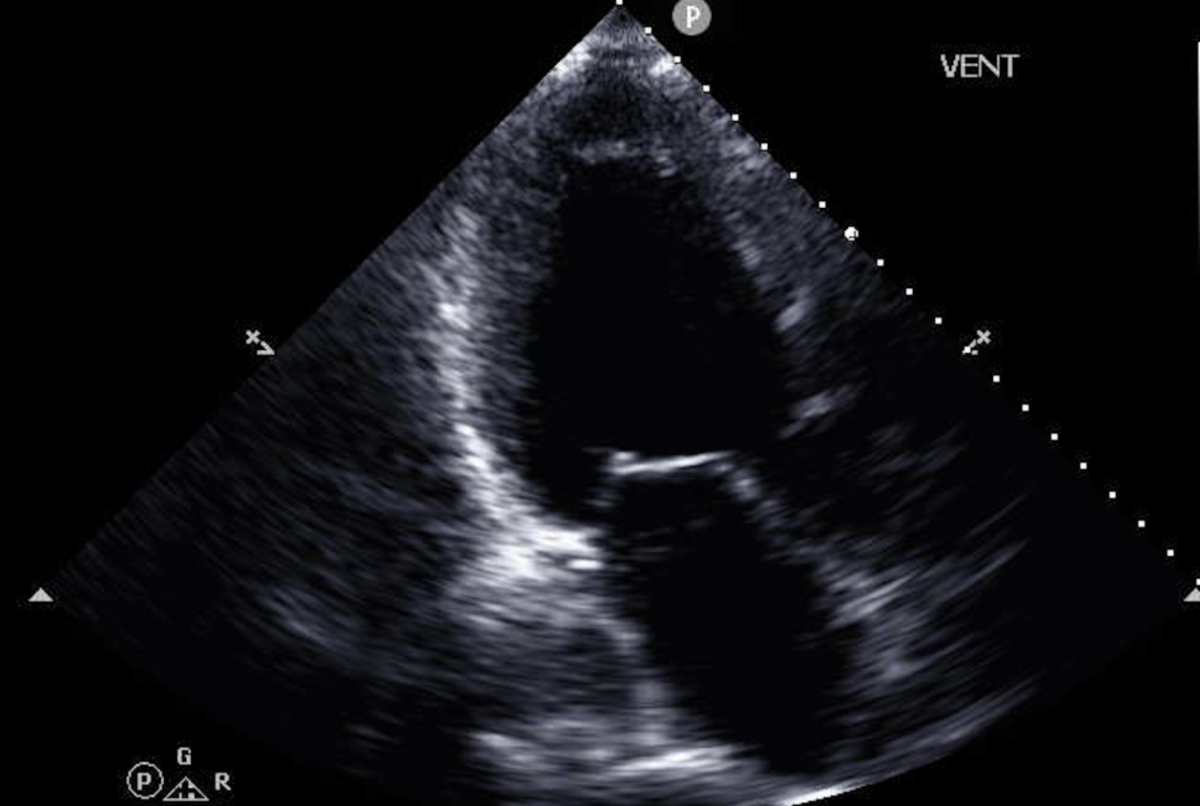
Weill Cornell Medicine: AI Tool Shows Promise in Diagnosing Advanced Heart Failure

Applying artificial intelligence techniques to cardiac ultrasound data may make it easier to identify patients with advanced heart failure, a new study has found. The study—led by investigators at Weill Cornell Medicine, Cornell Tech, Cornell Ann S. Bowers College of Computing and Information Science, Columbia University Vagelos College of Physicians and Surgeons and NewYork-Presbyterian—offers the prospect of better care for many thousands of patients who may be overlooked due to the difficulty of diagnosing their condition. Learn more

New York Institute of Technology College of Osteopathic Medicine: Not All AI is Built to Diagnose

Artificial intelligence (AI) is rapidly transforming healthcare. AI systems can now detect diabetic eye disease from retinal photos and analyze CT images for signs of early-stage lung cancers and stroke. Learn more

Zucker School of Medicine Science Education Professors Publish Study Investigating Use of AI to Score Medical School Exam Open-Ended Questions

Medical school exams that include open-ended questions (OEQ’s) are beneficial because they model clinical reasoning, require students to communicate their thought process, compel them to alter study habits which stimulate deep learning, and reinforce the retention of material through retrieval practice. But only 51 percent of accredited U.S. allopathic medical schools use OEQs because of the amount of time it takes to grade student responses and that the actual grading can be subjective. Learn More

Cancer

Jacobs School of Medicine & Biomedical Sciences at University at Buffalo: FDA Approves Cancer Drug Based on Clinical Trial Led by UB, Roswell Park Researcher

The Food and Drug Administration has approved the immune checkpoint inhibitor nivolumab in combination with chemotherapy for adults and adolescents 12 and older with previously untreated Stage III/IV classic Hodgkin lymphoma. The approval was based on data from a randomized clinical trial published in the New England Journal of Medicine in October 2024. Learn more

University of Rochester School of Medicine & Dentistry: Scientists Discover an Unexpected Food Source for Tumors

Blocking the powerful antioxidant from cancer cells may be a viable treatment strategy. Researchers discovered an antioxidant, glutathione, that cancer cells appear to devour as fuel, opening new pathways for investigation and a drug that can restrict the way tumors use this nutrient. Learn more

Neurology

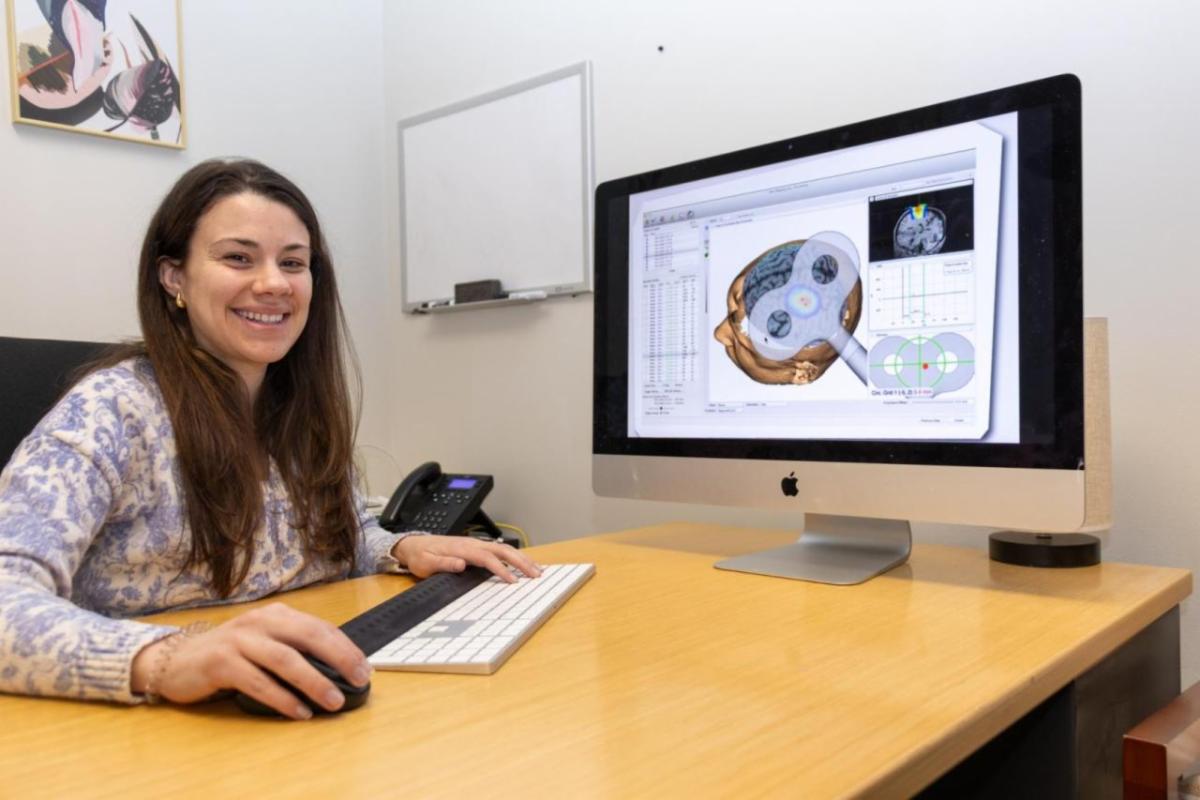
Columbia University Vagelos College of Physicians and Surgeons: Clinical Research Spotlight – Brain Circuitry in Anorexia Nervosa

Anorexia nervosa—commonly known simply as “anorexia”—is a serious mental illness likely caused by a combination of biological, genetic, psychological and social factors. The hallmark feature of the illness is extreme restriction of food intake leading to significantly low body weight, which can cause devastating medical and psychological effects. Learn more

New York Medical College: It Takes Trial and Error to Reach Discovery

Clinical trials are less about certainty than discovery—sometimes substantiating a hypothesis, sometimes proving it wrong, and at times landing somewhere in between. Such was the case with the results of a recent clinical trial published in The Lancet by an international group of investigators, including Stephan Mayer, M.D., professor of neurosurgery and of neurology at New York Medical College, that examined the use of recombinant factor VIIa, which stimulates blood coagulation, to treat intracerebral hemorrhage (ICH). Despite advances, ICH remains the most devastating type of stroke, with nearly half of patients dying within 30 days and only 20 percent functionally independent after six months. Learn more

Pregnancy

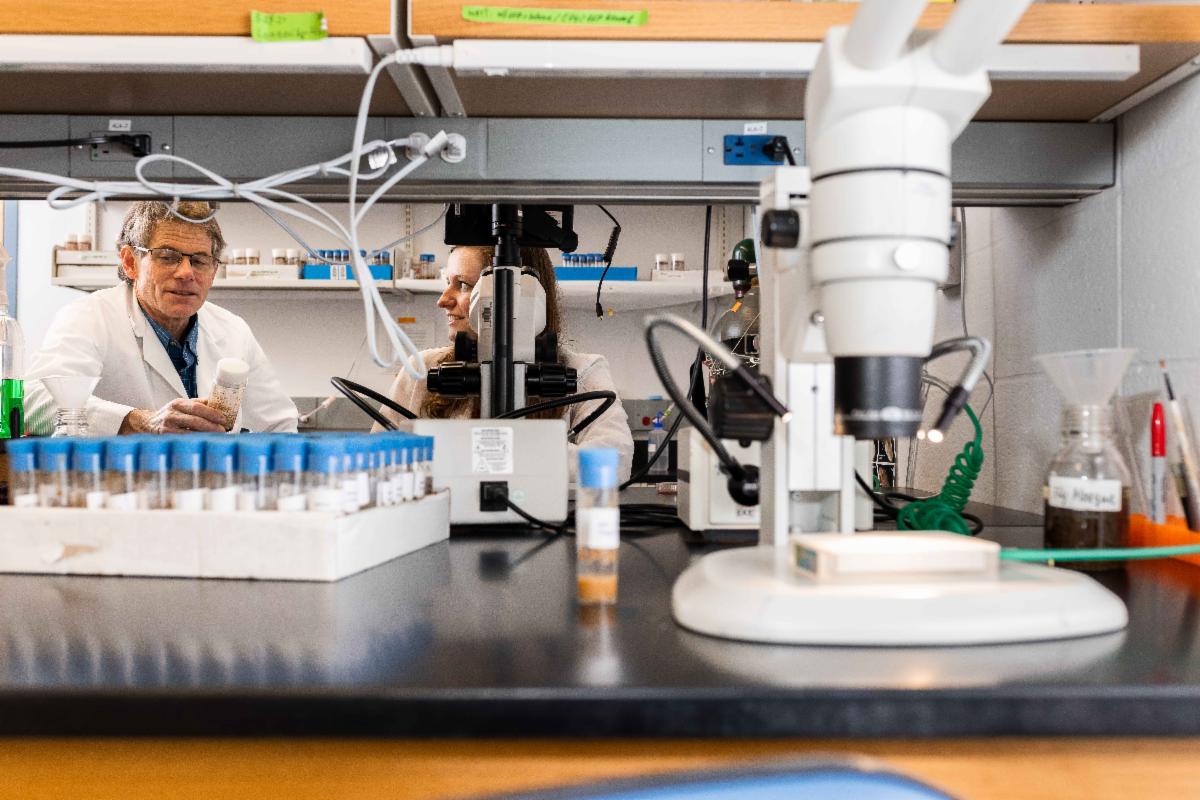
University of Rochester School of Medicine & Dentistry: Study Examines How Pregnancy May Help the Body Eliminate Mercury from Fish

Researchers at the University of Rochester are investigating whether natural biological changes during pregnancy help reduce a fetus’s exposure to mercury. The project will examine how the maternal gut microbiome and pregnancy-related physiological changes may increase the body’s ability to eliminate methylmercury, the toxic form of mercury commonly found in fish, before it reaches the developing fetus. Learn more

Weill Cornell Medicine: New Model May Predict Preeclampsia in Late Pregnancy

A machine-learning model developed by Weill Cornell Medicine investigators may provide clinicians with an early warning of a complication that can occur late in pregnancy. Preeclampsia is a sudden-onset condition that involves high blood pressure prior to delivery. Learn more

Virology

Albert Einstein College of Medicine: A New Method Produces CAR-T Cells to Keep Fighting Disease Longer

A research team led by Albert Einstein College of Medicine scientists has developed a new strategy to engineer immune cells that dramatically prolongs their effectiveness after being infused into patients to fight cancer and HIV, addressing a major limitation of current treatments. Their findings, published today in Science Advances, describe a manufacturing approach that, compared to the existing process, generates longer-lasting immune cells that provide more sustained control of human blood cancers and suppression of HIV infection in mouse models. Learn More

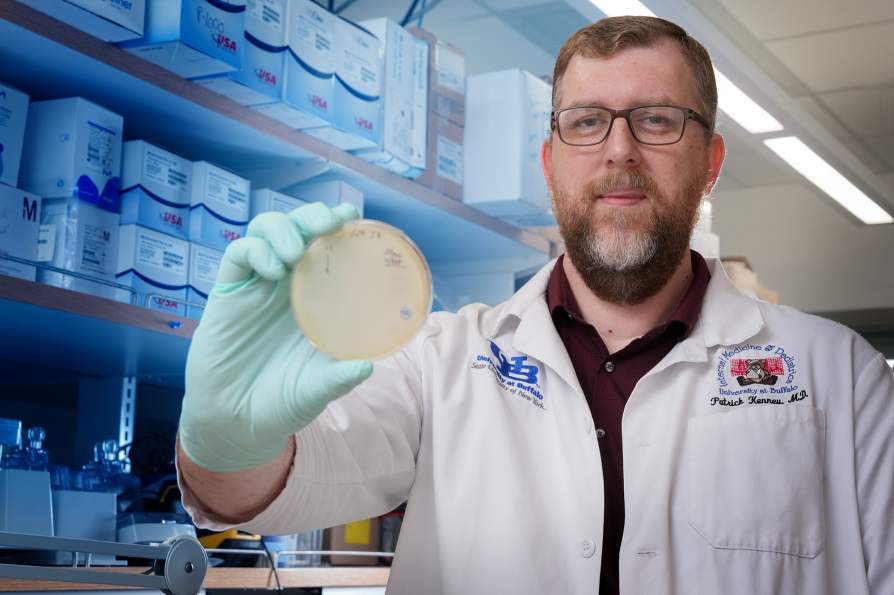
Jacobs School of Medicine & Biomedical Sciences at University at Buffalo: When Antibiotics Fail, Living Viruses Can Treat Infection

After years of fighting a relentless MRSA infection following his hip replacement surgery, a Buffalo patient was rid of the antibiotic-resistant bacteria thanks to a rediscovered therapy: bacteriophages. Bacteriophages, or simply phages, are naturally occurring viruses that selectively target and infect bacteria to replicate. Learn More

More Studies & News

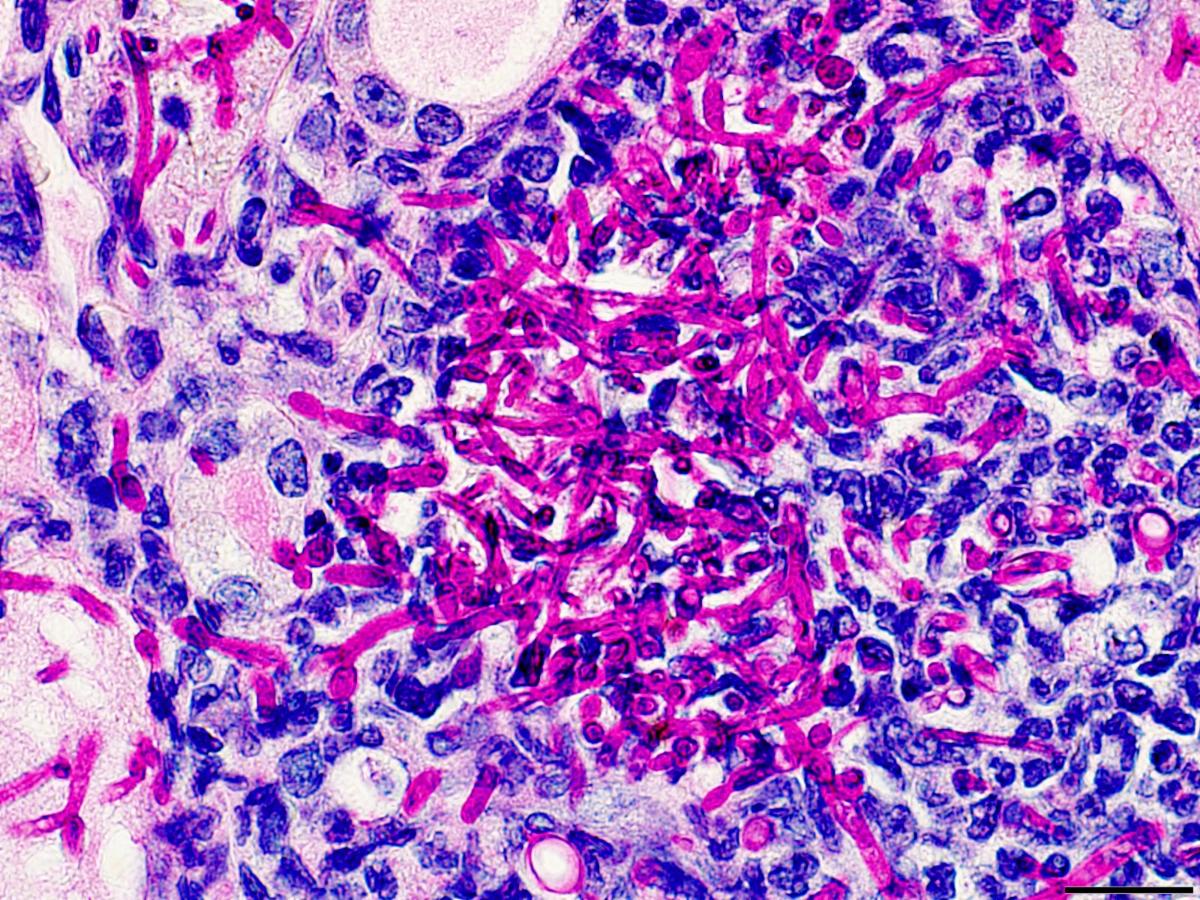
Renaissance School of Medicine at Stony Brook University: Study Points Toward Immune Reprogramming to Treat Candidiasis

Systemic candidiasis is an opportunistic fungal infection that has been difficult to treat effectively. Research published in a paper in the April edition of Cell Host & Microbe suggests that immune metabolic reprogramming could be a new strategy to fight the infection rather than developing another specific antifungal medication. Learn more

Albert Einstein College of Medicine: New Study Identifies Signature in Blood to Better Predict Type 2 Diabetes Risk

Researchers from Albert Einstein College of Medicine and Mass General Brigham have identified molecular changes associated with type 2 diabetes risk, reflecting contributions from genetics, diet, and lifestyle factors, which could pave the way for more effective prevention and intervention strategies. Their results, developed through blood samples from more than 20,000 people, are published today in Nature Medicine. Learn More

Zucker School of Medicine Earns High U.S. News Recognition for Research Excellence

The Donald and Barbara Zucker School of Medicine at Hofstra/Northwell has once again been recognized among the nation’s top medical schools for research by U.S. News & World Report. The prestigious 2026 Best Graduate Schools list places the school among the top three in New York State and in the top half nationwide, earning a Tier 2 placement for research excellence. This recognition is particularly significant given the current landscape of reduced federal funding for medical research, including substantial cuts to National Institutes of Health (NIH) grants. Such funding dramatically impacts a school’s U.S. News ranking, as research activity now constitutes a substantial 60% of its overall research assessment. Despite these challenges, the Zucker School of Medicine at Hofstra/Northwell has demonstrated exceptional resilience and continued commitment to innovative discovery. Learn More

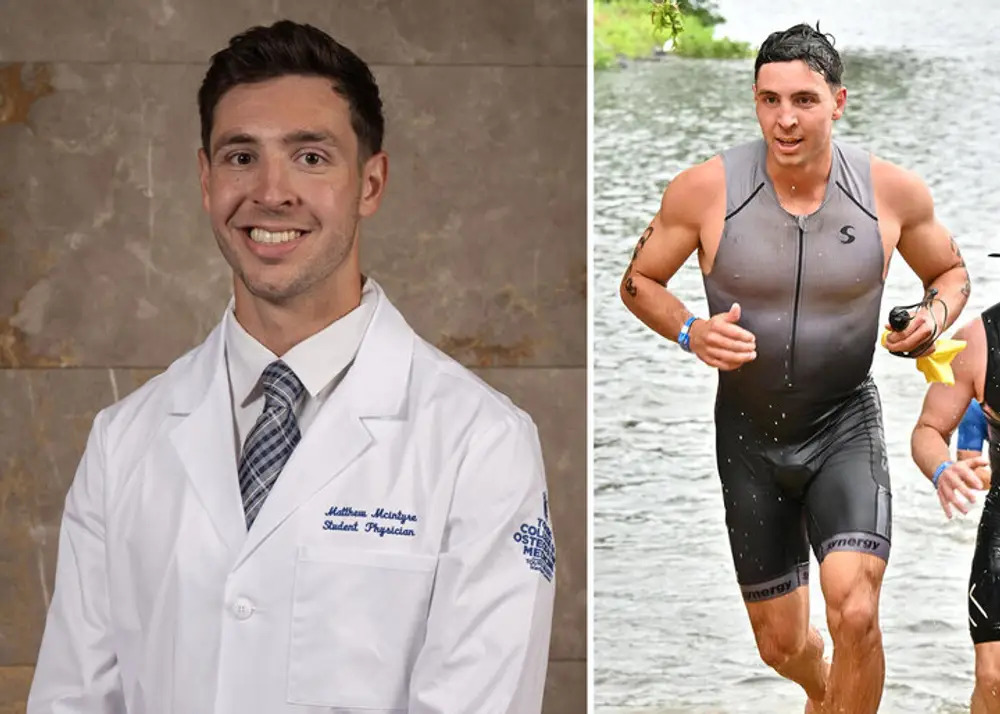
Touro College of Osteopathic Medicine: Running to Beat Cancer – TouroCOM Harlem Student Matthew McIntyre Completes Intensive 4x4x48 Challenge to Raise Money to Fund Research

A Touro College of Osteopathic Medicine student completed an intense run for charity. Matthew McIntyre, a first-year student at TouroCOM Harlem, completed a “4x4x48” running challenge to raise money for St. Jude Children’s Research Hospital. Learn more.

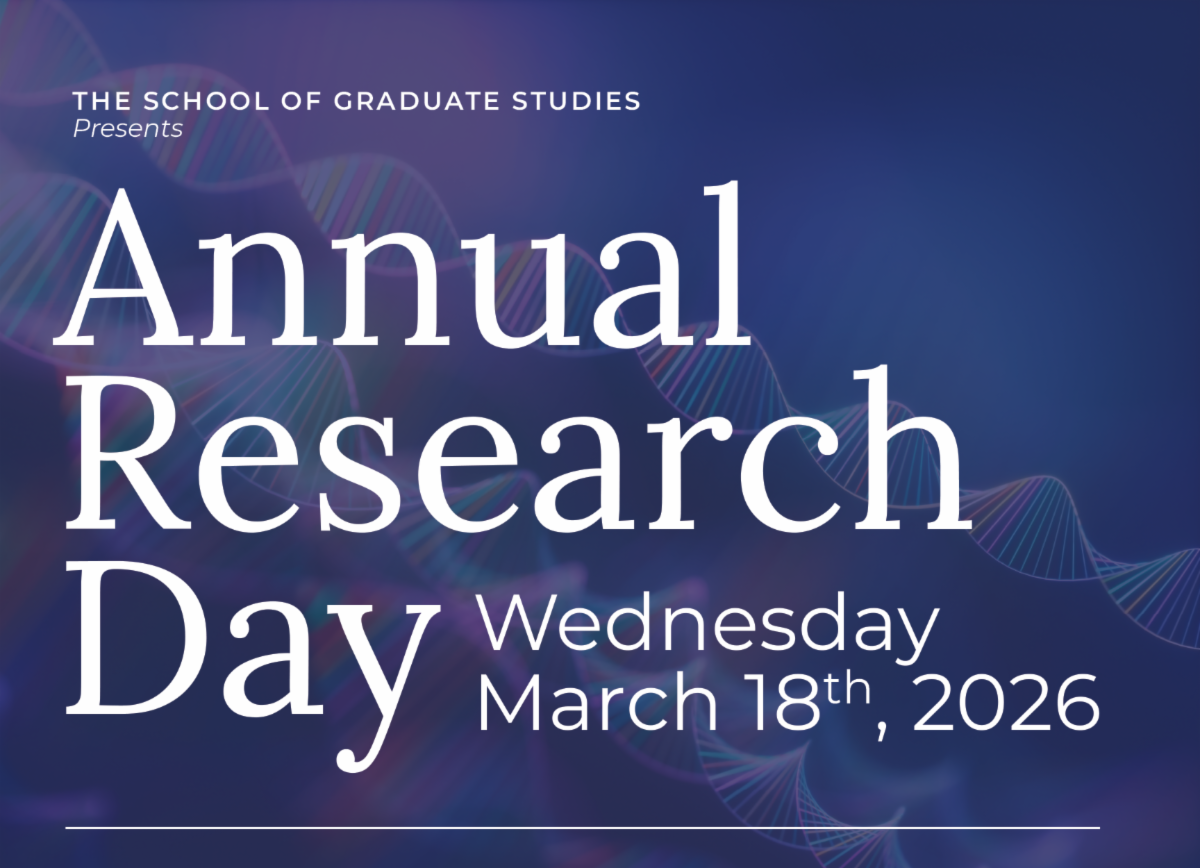
SUNY Downstate Health Sciences University: Annual Research Day Highlights Innovation and Discovery

Downstate’s recent Annual Research Day showcased the ideas and discoveries shaping our future, with 152 presentations from students, residents, fellows, and postdoctoral trainees. Poster sessions and oral presentations spanned basic science, public health, clinical care, and quality improvement, all focused on addressing real challenges in healthcare. Learn more

Thanks for signing up!

Stay up to date with the latest:

By submitting this form, you are granting: Associated Medical Schools of New York, 99 Park Ave, Room 2010 New York, New York, 10016, United States, http://www.amsny.org/ permission to email you. You may unsubscribe via the link found at the bottom of every email. (See our Email Privacy Policy for details.) Emails are serviced by Constant Contact.

Associated Medical Schools of New York (AMSNY)
The Voice of Medical Education
99 Park Ave, Suite 2010 New York, New York, 10016
All rights reserved by their respective owners. Privacy Policy | Disclaimer
© Copyright 2026 AMSNY