Associated Medical Schools of New York
  • About
    • Programs
    • AMSNY Scholars in Medicine and Science
    • AMSNY Scholarship in Medicine
    • Research
    • NYFIRST
    • ECRIP
    • SCIRP
    • Biomedical Research and Economic Development
    • Science Forward
    • Advocacy
    • State Positions
    • Federal Positions
  • News
  • Contact
Newsletter > Biomedical Research News from AMSNY: September 2026

09/30/2026

Biomedical Research News from AMSNY: September 2026

Highlights

Zucker School of Medicine at Hofstra Northwell: A Neuroprosthesis Can Restore Hand Movement and Sensation in a Complete Tetraplegia

Research published in Science Nature by professors from the Donald and Barbara Zucker School of Medicine at Hofstra/Northwell offers hope for those lacking sensation and movement in their hands from complete tetraplegia, which is the loss of motor and/or sensory function in all four limbs. The study, conducted by Ashesh D. Mehtam, MD, professor of neurosurgery; Stephan Bickel, MD, assistant professor of neurology and neurosurgery; and Chad E. Bouton, MS, professor of molecular medicine and neurosurgery, found that when a double neural bypass (DNB) was linked to an intracortical brain–computer interface targeted and patterned with neuromodulation of the spinal cord and cortex brain signals associated with movement intention it would directly control the movement of the user’s own hand in real time and long-term sensorimotor recovery was promoted — even after the system is turned off. Learn more.

Columbia University Vagelos College of Physicians and Surgeons: 9/11 Responders Passed Effects of Trauma to Their Children

Although it’s been 25 years since the World Trade Center collapsed after terrorists flew commercial airplanes into each of the center’s two towers, the trauma experienced by many first responders and recovery workers is still being felt by their children. A recent study conducted by researchers in the Department of Psychiatry at Columbia University Vagelos College of Physicians and Surgeons found that the children of responders who developed post-traumatic stress disorder (PTSD) soon after the attacks were more likely to develop PTSD, depression, anxiety, or panic symptoms themselves. Learn more.

Cancer

Weill Cornell Medicine: Prostate Cancer Hijacks Amino Acid Metabolism to Signal Hormone Therapy Resistance

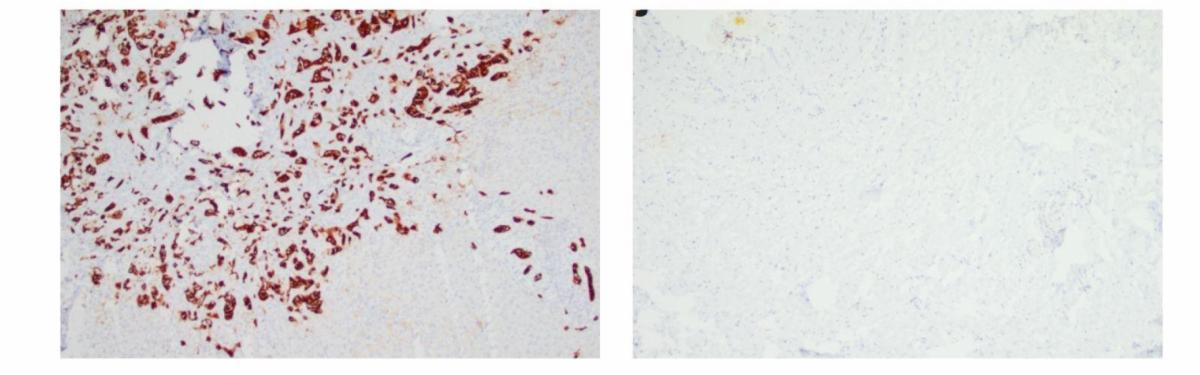
Prostate tumors can rewire amino acid metabolism to override the normal brakes on cholesterol production, a process that may fuel hormone therapy resistance, according to a study by Weill Cornell Medicine investigators. The preclinical study, published Aug. 20 in Nature Metabolism, revealed that a compound called propionyl-CoA, produced by the breakdown of amino acids isoleucine and valine during normal energy metabolism, acts as a signal that switches on cholesterol production. Learn more.

Albert Einstein College of Medicine: Discovering How Leukemia Cells Rapidly Adapt to Chemotherapy

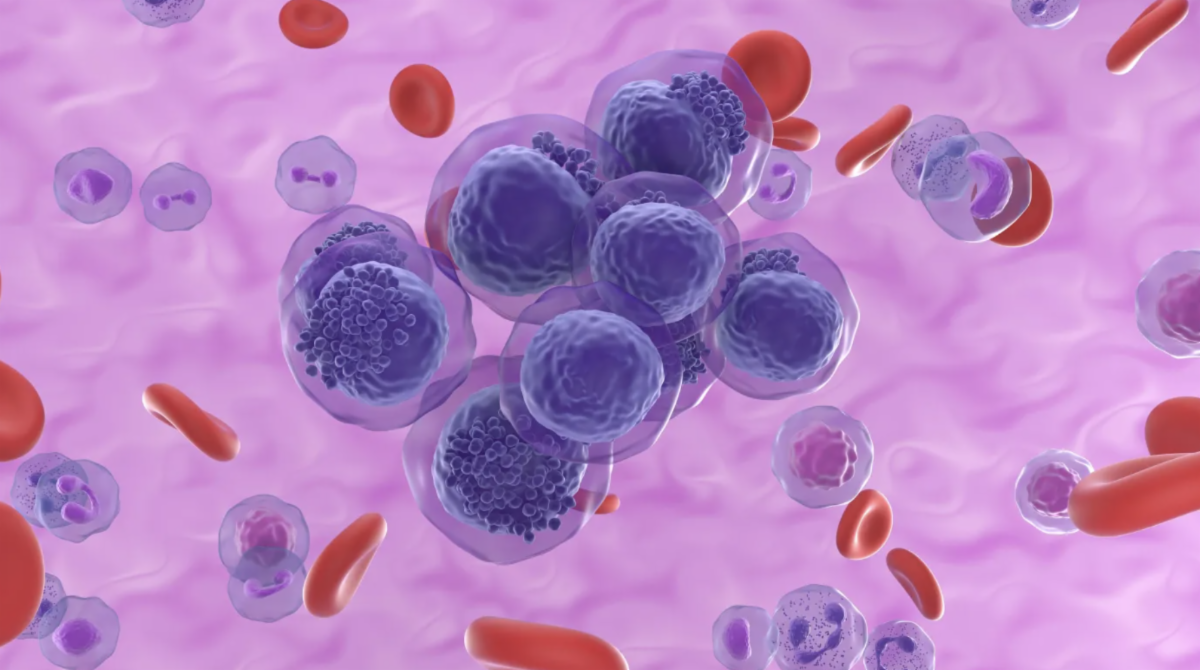
Many cases of acute myeloid leukemia (AML) and other cancers become incurable when they develop resistance to chemotherapy. Most resistance research has focused on genetic mutations that emerge over time and contribute to cancer-cell survival. In novel findings published on July 1 in Blood Cancer Discovery, researchers at Montefiore Einstein Comprehensive Cancer Center (MECCC) and collaborators have discovered how AML cells quickly adapt to cytarabine, one of the most commonly used chemotherapy drugs for the disease. Learn more.

New York Institute of Technology College of Osteopathic Medicine: Exploring How AI Tools Can Improve Lung Cancer Detection

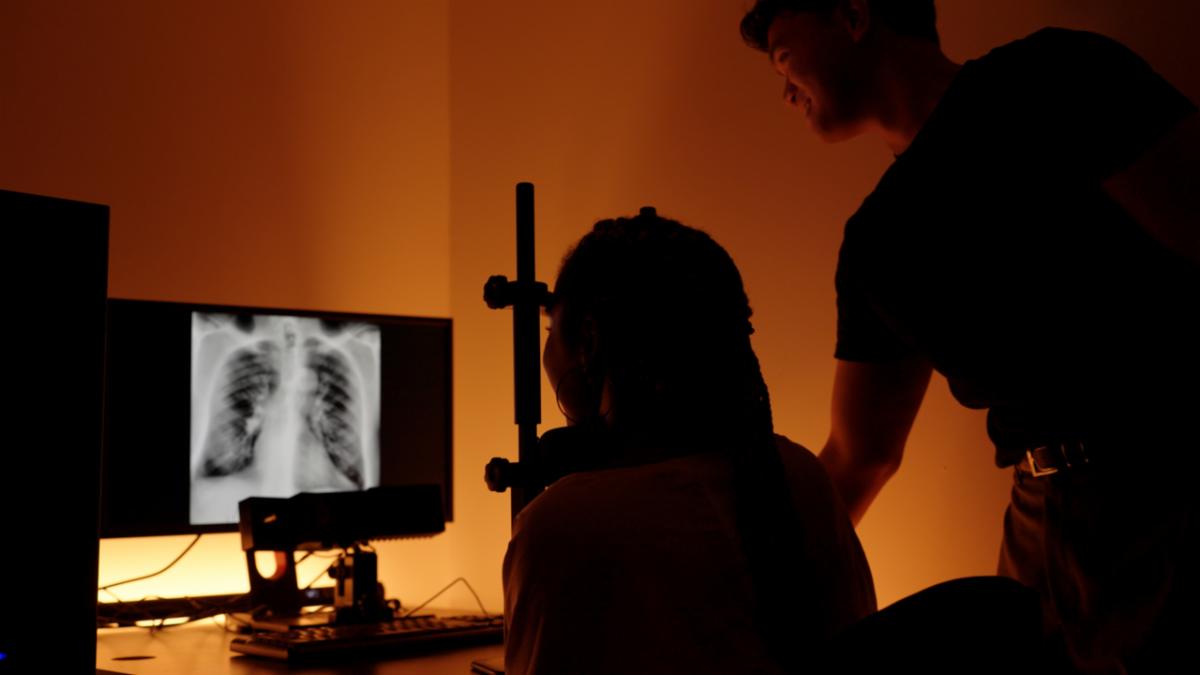
For people at high risk for lung cancer, annual screening with CT (computed tomography) can help reveal areas of abnormal growth, or nodules, before they become cancerous or in early stage of disease when they are easier to treat. However, studies consistently show that radiologists fail to detect lung nodules in about 30 percent of abnormal CT scans. One study found that more than half of patients who were diagnosed with lung cancer had nodules in their scans the year before that were missed. Learn more.

Columbia University Vagelos College of Physicians and Surgeons: A New Combination Therapy Shows Promise in Metastatic Pancreatic Cancer

Results from an early-stage clinical trial, published in Nature Communications, found encouraging outcomes among patients with newly diagnosed cancer whose tumor had spread to distant organs. Most strikingly, one patient experienced a pathologic complete response—meaning no viable cancer cells could be found—and remains cancer-free for more than two years without any further treatment. These findings offer an important signal that a new approach may be able to overcome one of the disease’s greatest challenges: its resistance to immunotherapy. Learn more.

Cardiology

University of Rochester School of Medicine & Dentistry: Women With Polyendocrine Metabolic Ovarian Syndrome Have Higher Cardiac Events Risk

Women with polyendocrine metabolic ovarian syndrome (PMOS) are four times more likely to have atherosclerotic cardiovascular disease events, including heart attacks and strokes, than those without the condition. The research, led by a physician at University of Rochester Medicine, underscores the need for careful medical evaluation and treatment for PMOS, a widely misunderstood hormonal and metabolic disorder that affects roughly 1 in 10 women, or 5 million women in the U.S. Women with PMOS experience a range of symptoms. Learn more.

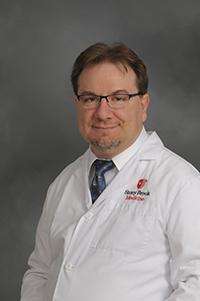
Renaissance School of Medicine at Stony Brook University: Researcher Wins American Heart Association Grant to Study What Happens When Patients Stop Taking GLP-1 Drugs

RGlucagon-like peptide-1 receptor agonists (GLP-1 RAs) have transformed the management of cardiovascular-kidney-metabolic (CKM) syndrome, with randomized trials establishing clear cardiovascular benefit in patients with diabetes, obesity, and related conditions. Yet real-world persistence with GLP-1 RA therapy is often poor, driven by cost, supply shortages, side effects, and shifting insurance coverage. Learn more.

Neurology

Weill Cornell Medicine: Molecular Structures Provide Roadmap for Targeted Parkinson’s Disease Therapeutics

Researchers at Weill Cornell Medicine have uncovered how a key Parkinson’s protein called LRRK2 shifts between inactive and active forms, revealing the structural changes that enable certain mutations to push the protein into an overactive state.  Mutations that cause LRRK2 to become abnormally active are among the most common genetic causes of Parkinson’s disease. Even without these mutations, some people with Parkinson’s disease have elevated LRRK2 activity. Learn more.

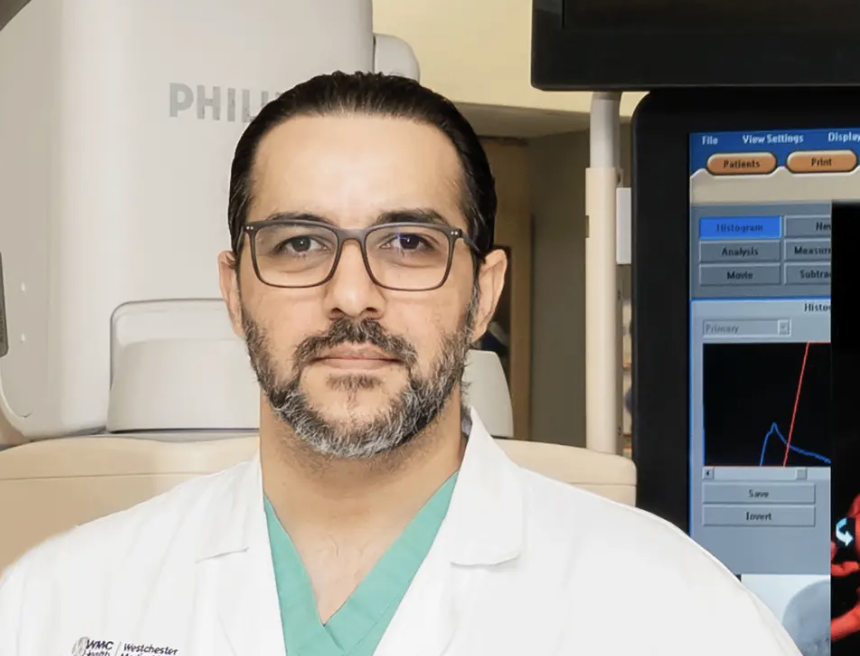
New York Medical College: Minimally Invasive Procedure Halves Risk of Recurrent Brain Bleeds

Middle meningeal artery embolization (MMAE), a minimally invasive procedure, significantly reduces recurrence and reoperation rates in patients with chronic subdural hematoma (cSDH), one of the most common neurosurgical conditions affecting older adults, according to a new study published in JAMA Neurology and co-authored by Fawaz Al-Mufti, M.D., professor of neurology, neurosurgery, and of radiology at New York Medical College. Learn more.

Zucker School of Medicine at Hofstra Northwell: Study Investigates How the Brain Detects and Responds to Disruptions in Breathing

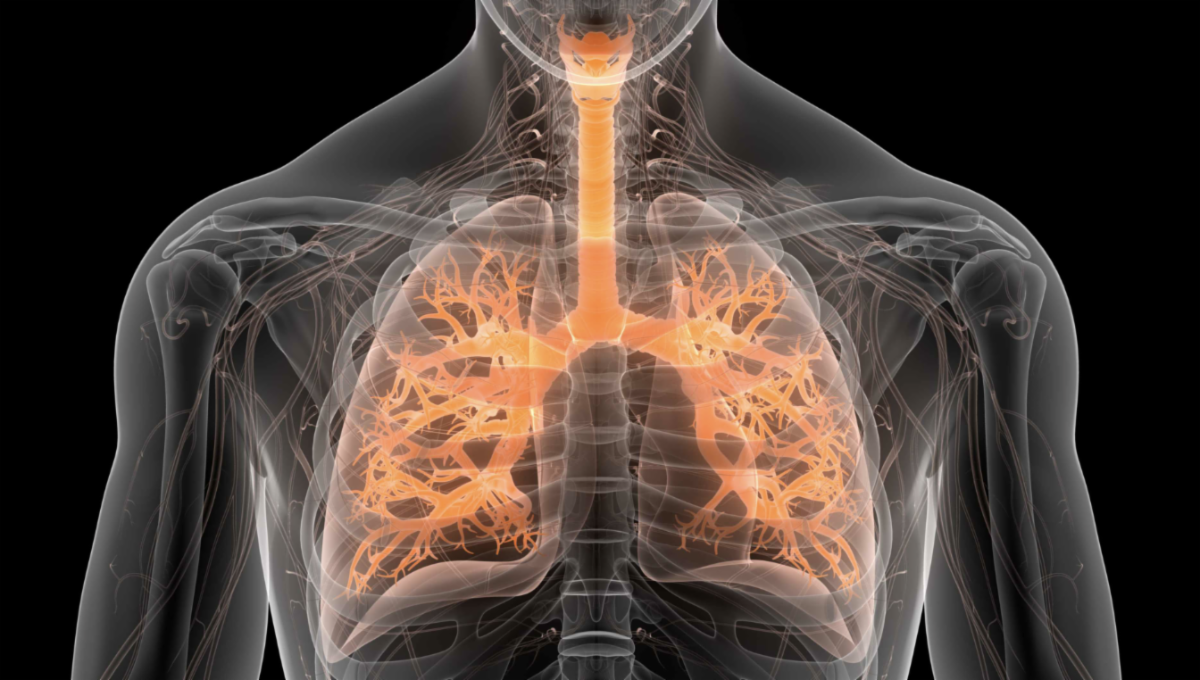
The Donald and Barbara Zucker School of Medicine at Hofstra/Northwell’s Ashesh D. Mehta, MD, professor of neurosurgery, Harley E. Greenberg, MD, professor of medicine, José L. Herrero, PhD, assistant professor of molecular medicine and Stephan Bickel, MD, assistant professor of neurology and neurosurgery, published “Insular routing to orbitofrontal cortex enables breathing awareness” in Science Advances on July 29. The study investigated how the human brain detects and responds to disruptions in breathing, which arises not only from pulmonary lesions or brainstem dysfunction but also from how higher brain regions interpret breathing signals shaped by emotion and experience. Learn more.

Awards & Grants

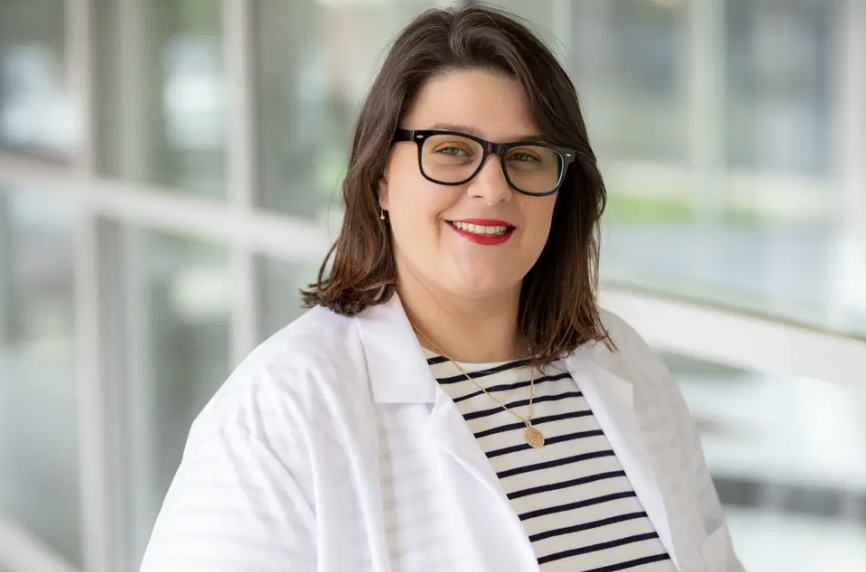
New York Medical College: Dr. Julie Di Martino Awarded Susan G. Komen Career Catalyst Research Grant

Julie Di Martino, Ph.D., assistant professor of cell and molecular physiology at New York Medical College, is one of just six recipients worldwide of a 2026 Susan G. Komen Career Catalyst Research Grant to advance her research into breast cancer dormancy.  Dr. Di Martino will utilize the $442,502 grant to study the earliest steps that allow breast cancer cells to survive, remain hidden, and later grow again. Learn more.

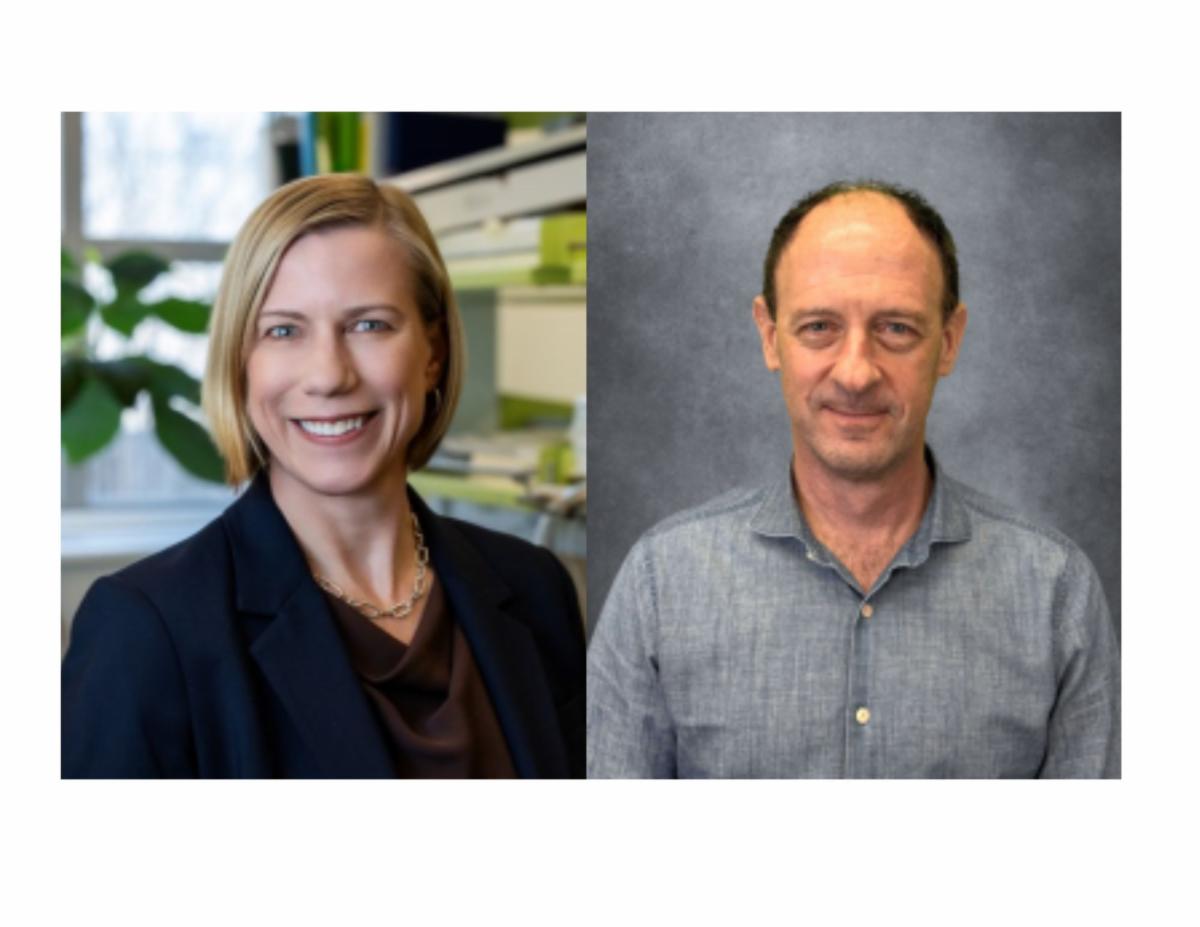
Jacobs School of Medicine & Biomedical Sciences at University at Buffalo: Incoming UB Researchers Selected as Simons Empire Faculty Fellows

Four incoming tenure-track faculty researchers at UB, including two at the Jacobs School of Medicine and Biomedical Sciences, have been selected to join the inaugural class of Simons Empire Faculty Fellows. The announcement was made Aug. 18 by SUNY Chancellor John B. King Jr., JD. Learn more.

More Studies & News

University of Rochester School of Medicine & Dentistry: Hidden Immune Cells in the Lung Could Lead to Better Flu Vaccines

Influenza continues to cause major illness each year in the United States, leading to more than 35,000 deaths annually. Children, older adults, pregnant individuals, people with weakened immune systems, and those with chronic conditions such as heart disease, metabolic disorders, and cancer are especially vulnerable. Vaccination remains the most effective way to prevent flu infection, but current vaccines do not always stop the virus from taking hold in the respiratory tract. Now, new research appearing in Nature Immunology suggests that a previously overlooked group of immune cells in the lungs may help change that. Learn more.

Albert Einstein College of Medicine: Children of Centenarians Often Live Longer, Develop Some Age-Related Diseases Later

Adults with at least one parent who reached age 100 lived longer and had substantially lower risks of cardiovascular disease and hypertension than people whose parents had shorter lifespans, according to a study published today in JAMA Network Open. The study, led by researchers at Albert Einstein College of Medicine, Boston University, and Tufts Medical Center, adds to evidence that exceptional longevity and healthy aging run in families and suggests that inherited biological factors may help explain those advantages beyond lifestyle. Learn more.

Jacobs School of Medicine & Biomedical Sciences at University at Buffalo: Rethinking Glucose Monitoring for Diabetes

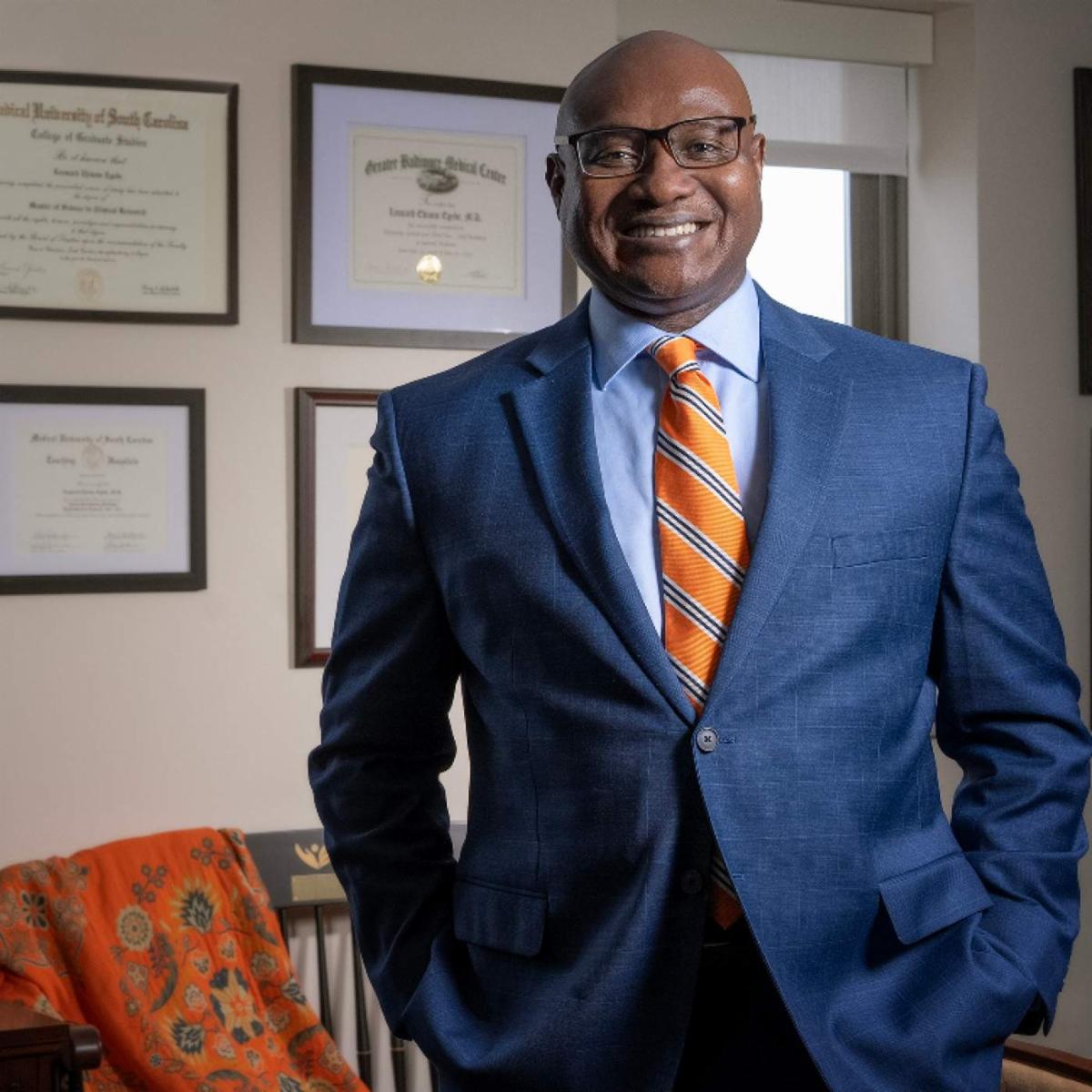
Leonard E. Egede, MD, chair of the Department of Medicine, is principal investigator on a new NIH grant to study how adults with Type 2 diabetes who don’t take insulin could still benefit from wearable continuous glucose monitors. For millions of people living with diabetes, checking blood sugar levels means a daily routine of finger pricks, blood drops and using a glucometer. Learn more.

New York Institute of Technology College of Osteopathic Medicine: The Evolutionary Significance of Humans’ Unique Heel-Toe Walking Pattern

The average human takes thousands of steps every day, and for most, those steps follow the same pattern: hitting the heel of the foot and then rolling through the toes. But why do humans walk the way they walk? Unlike our closest primate relatives, humans are the only primates that consistently walk with a heel-toe pattern. Learn more.

CUNY School of Medicine: RCMI Consortium Conference Celebrates 40 Years of National Leadership

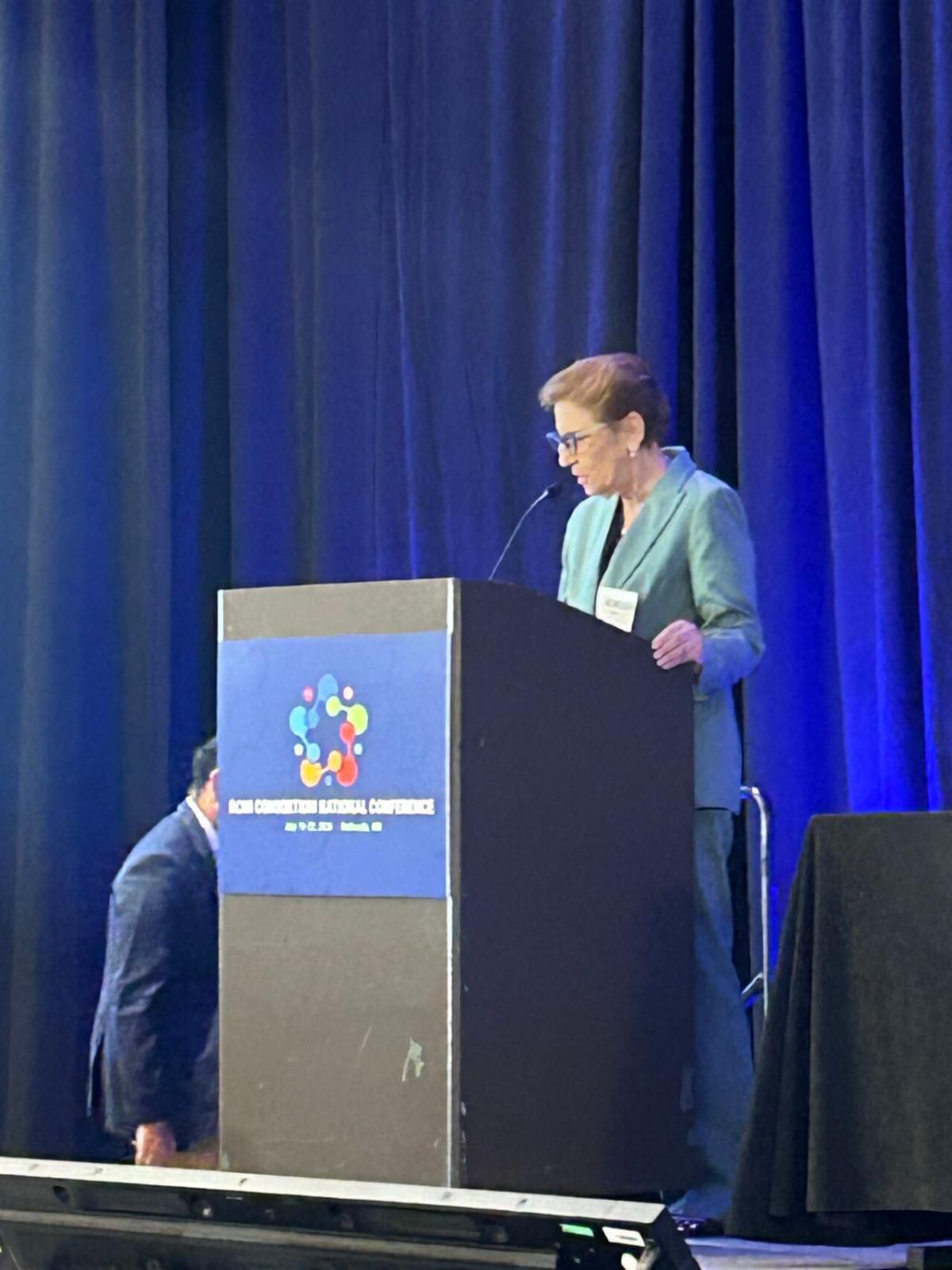
This year’s RCMI Consortium conference celebrated 40 years of national leadership in biomedical research, training the next generation of scientists and making meaningful contributions in community health. Leaders from the CUNY School of Medicine included Dean Carmen Renée Green, MD, as Principal Investigator and Facilitator of the RCMI Presidents’ Session with NIMHD Leadership and NIH IC Directors, and Maria Lima, PhD, as Facilitator of the U54 Project Showcase, highlighting the innovative research and scientific contributions of EarlyStage Investigators at U54 Centers. Presenting research findings were Drs. Wenhua Lu, Peter Barr, Stanislovas Jankauskas, Marie Louise Noah, Andrew Wolfe, Chongmin Huan, Elizabeth Cohn, Ryan Williams, Gaetano Santulli, and Mark Füzesi.

Renaissance School of Medicine at Stony Brook University: Stony Brook University Opens First Renovated Flagship Research Lab Quadrant

Stony Brook University’s Renaissance School of Medicine (RSOM) celebrated the completion of SUNY Flagship 1 Research Lab, the first renovated research space to open under the New York State SUNY Flagship Lab Modernization program. The ribbon-cutting ceremony marks a milestone in a multi-year, $100 million investment to transform research infrastructure across Stony Brook. Learn more.

Thanks for signing up!

Stay up to date with the latest:

By submitting this form, you are granting: Associated Medical Schools of New York, 99 Park Ave, Room 2010 New York, New York, 10016, United States, http://www.amsny.org/ permission to email you. You may unsubscribe via the link found at the bottom of every email. (See our Email Privacy Policy for details.) Emails are serviced by Constant Contact.

Associated Medical Schools of New York (AMSNY)
The Voice of Medical Education
99 Park Ave, Suite 2010 New York, New York, 10016
All rights reserved by their respective owners. Privacy Policy | Disclaimer
© Copyright 2026 AMSNY