Associated Medical Schools of New York
  • About
    • Programs
    • AMSNY Scholars in Medicine and Science
    • AMSNY Scholarship in Medicine
    • Research
    • NYFIRST
    • ECRIP
    • SCIRP
    • Biomedical Research and Economic Development
    • Science Forward
    • Advocacy
    • State Positions
    • Federal Positions
  • News
  • Contact
Newsletter > Biomedical Research News from AMSNY: October 2025

11/06/2025

Biomedical Research News from AMSNY: October 2025

Highlights

Columbia University Vagelos College of Physicians & Surgeons: Soccer Heading Does Most Damage to Brain Area Critical for Cognition

For those of us who winced every time a water-logged leather ball struck our heads during soccer practice, it’s perhaps no surprise that frequent heading of the ball has been linked to cognitive performance. Even with today’s lighter balls, heading still jars the brain and is associated with learning and memory deficits, though the impacts do not cause concussions. But until recently, no studies had identified which part of the brain is most affected by heading and responsible for its cognitive effects. Learn More

Albert Einstein College of Medicine: Study Reveals How Tick-Borne Encephalitis Virus Enters Cells

The protein on human cells that tick-borne encephalitis virus (TBEV) uses for infection has now been identified—a major step toward understanding how TBEV causes neurological disease and for developing antiviral drugs. The study, co-led by scientists at Albert Einstein College of Medicine, Karolinska Institutet, and the United States Army Medical Research Institute of Infectious Diseases(USAMRIID) was published September 24 in the journal Nature. TBEV is one of many mosquito- and tick-borne flaviviruses responsible for serious diseases, which also include dengue virus, yellow fever virus, Zika virus, and Japanese encephalitis virus. Learn More

Cancer

NYU Langone Health: Oral Microbes Linked to Increased Risk of Pancreatic Cancer

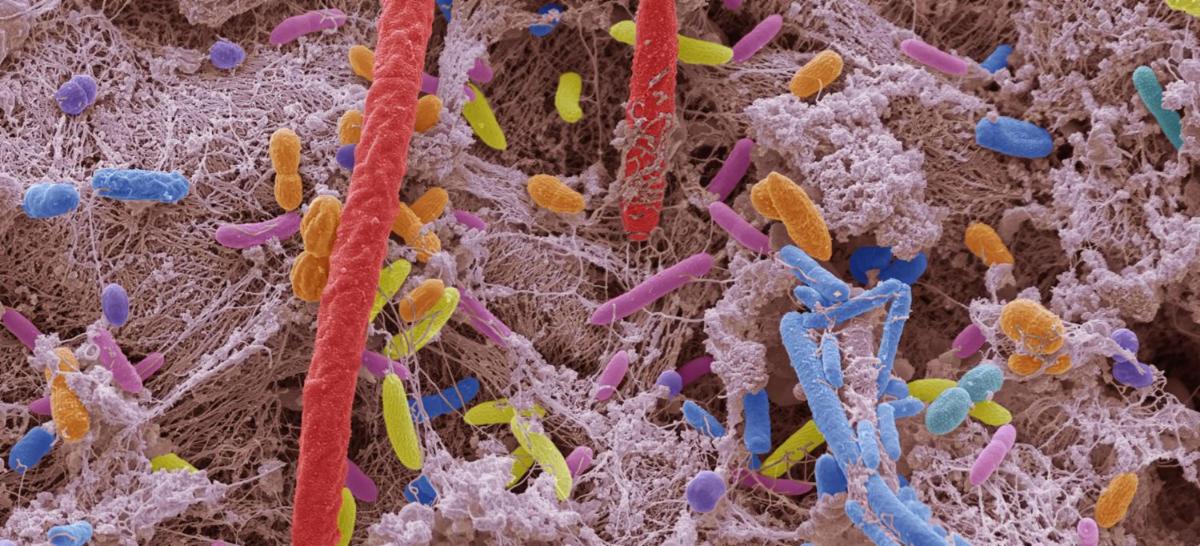
Among the hundreds of species of bacteria and fungi that live in people’s mouths, 27 have been collectively tied to a 3.5 times greater risk of developing pancreatic cancer, a study led by NYU Langone Health and its Perlmutter Cancer Center shows. Experts have long observed that those with poor oral health are more vulnerable to pancreatic cancer than those with healthier mouths. More recently, scientists have uncovered a mechanism that could help explain this connection, finding that bacteria can travel through swallowed saliva into the pancreas, an organ that helps with digestion. Learn More

SUNY Downstate Health Sciences University: Wearable Imaging Innovation Brings New Hope for Breast Cancer Detection

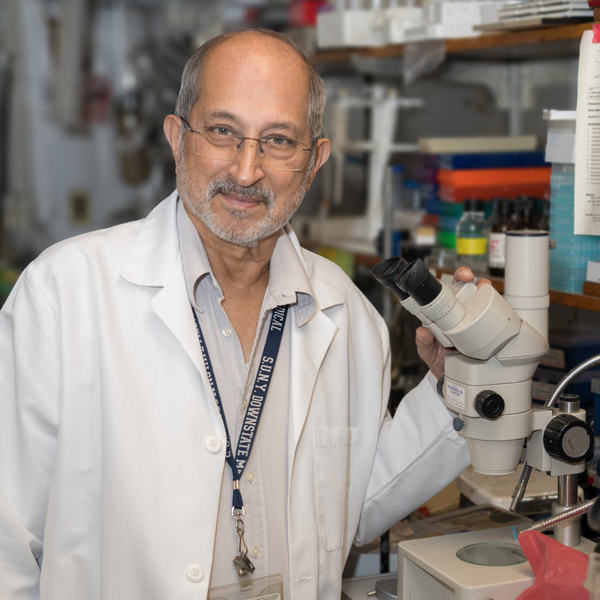
Research at Downstate is propelling fNIRS toward use as a widely accessible diagnostic technology. Led by Randall Barbour, Ph.D., professor of pathology and principal investigator of the Optical Tomography Group, investigators recently published findings in PLOS One (“Hemoglobin state-flux: A finite-state model representation of the hemoglobin signal for evaluation of the resting state and the influence of disease”) that mark a significant step forward. Their work demonstrates that functional near-infrared spectroscopy (fNIRS) can effectively detect abnormalities in breast tissue, underscoring its promise as a cost-effective, patient-friendly tool with broad applications in clinical medicine. Learn More

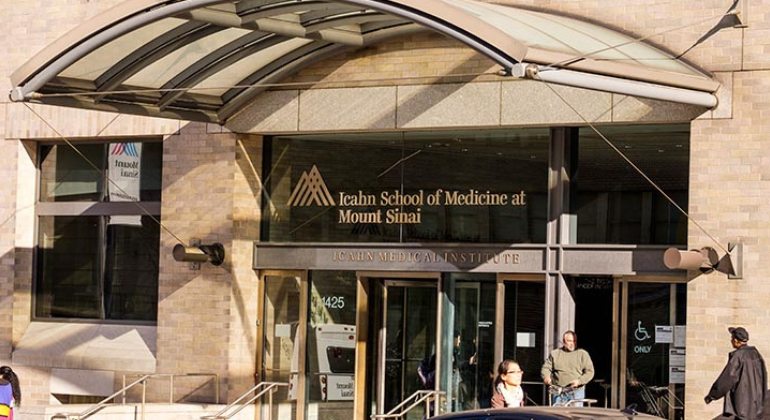
Icahn School of Medicine at Mt. Sinai: Lung Cancer Rewires Immune Cells in the Bone Marrow to Weaken Body’s Defenses

Lung tumors don’t just evade the immune system. They reshape it at its source. Researchers from the Icahn School of Medicine at Mount Sinai and collaborators report in the September 10 online issue of Nature that tumors rewire immune cells in the bone marrow before they even reach the cancer, suggesting a new target to enhance the durability of current immunotherapy. Immunotherapies, which rally the body’s defenses against cancer, have transformed care for many patients. But in solid tumors like non-small cell lung cancer (NSCLC), their success is often blunted by an influx of pro-tumoral macrophages—immune cells that suppress the body’s anti-cancer response. Learn More

Jacobs School of Medicine & Biomedical Sciences at University at Buffalo: Coloring Book Explains Clinical Trials to Children with Cancer and Their Families

A new children’s book, “Sofia Learns About Cancer Research,” explains how clinical trials work for children with cancer and their families. Written by a multidisciplinary team representing UB, Roswell Park Comprehensive Cancer Center and Oishei Children’s Hospital, the purpose of the coloring and activity book is to increase awareness among children and their parents about clinical research and how they themselves could be part of medical breakthroughs in Western New York and beyond. Learn More

Neurology

Renaissance School of Medicine at Stony Brook University: Breakthrough Technology Study Sheds Light on Consciousness and Recovery After Brain Injury

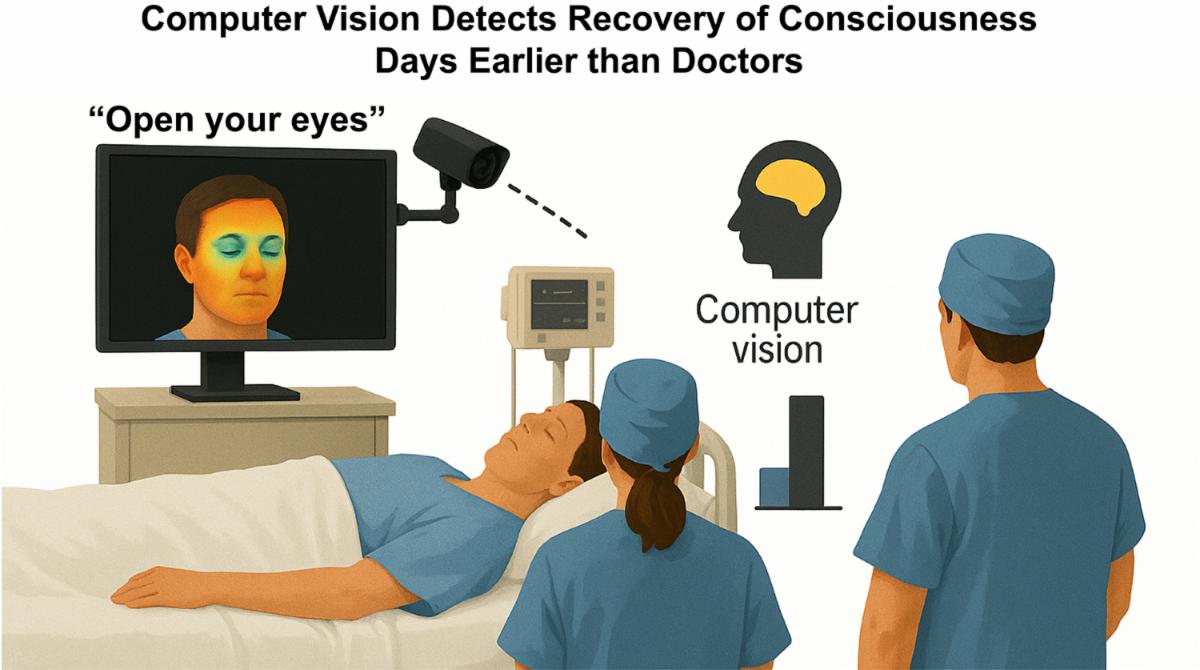
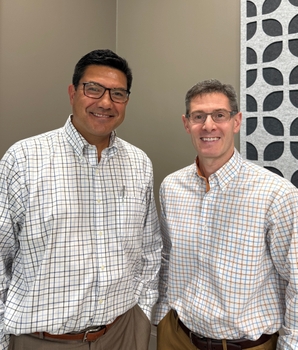
A new study published in Nature Communications Medicine led by neurosurgery researchers Sima Mofakham, PhD, and Chuck Mikell, MD, of the Renaissance School of Medicine (RSOM) at Stony Brook University, provides clinicians with data about the path to consciousness after traumatic brain injury (TBI) that may help pave the way for more personalized and effective patient care strategies in critical care and rehabilitation settings. Every year, thousands of brain-injured patients are labeled as “unresponsive” in hospitals across the United States. Yet new research reveals that up to one quarter of these individuals may be conscious but just unable to show it. Learn More

Weill Cornell Medicine: Skin-to-Skin Contact Associated with Brain Changes in Preterm Infants

“Kangaroo care,” or skin-to-skin contact, may be neuroprotective and is associated with neonatal development in areas of the brain involved in emotional regulation in preterm infants, according to a new preliminary study from Weill Cornell Medicine, Burke Neurological Institute and Stanford Medicine investigators. Even short sessions correlated with noticeable effects on brain imaging scans, which is important because more than half of preterm infants have risk for neurodevelopmental impairment. The findings of the retrospective study, published Sept. 24 in Neurology, the medical journal of the American Academy of Neurology, could ultimately lead to better neurological outcomes for preterm infants and a wider adoption of kangaroo care in neonatal intensive care units (NICUs). Learn More

NYU Langone Health: Brain Stimulation May Reduce Cannabis Addiction in People with Multiple Sclerosis

A noninvasive device that delivers weak electrical currents to the brain may help those with multiple sclerosis cut back on excessive cannabis use, a new NYU Langone Health study of women with the condition shows. More than half of people with multiple sclerosis use cannabis products to ease sleep problems, chronic pain, and muscle spasms, among other common symptoms. Experts say up to 20 percent may develop cannabis use disorder, a condition marked by disruptive, hard to control, and often heavy use. Learn More

SUNY Downstate Health Sciences University: Downstate Folate and Autism Research Goes National

Recent media coverage has focused on leucovorin (folinic acid) as a possible treatment for autism. While the headlines may be new, the science behind them is not. At the heart of this story is Edward V. Quadros, Ph.D., Research Professor of Medicine and Cell Biology, with a primary appointment in Hematology/Oncology, whose pioneering research on folate receptor autoantibodies, begun in the early 2000s, has advanced the understanding of their critical role in health and disease for over two decades. Learn More

Grants & Awards

Albert Einstein College of Medicine to Co-Lead $39 Million National Initiative to Prevent Dementia and Promote Mid-Life Brain Health

Albert Einstein College of Medicine is co-leading a new national initiative aimed at transforming how scientists and clinicians detect the earliest signs of Alzheimer’s disease and related dementias (ADRD). The National Institutes of Health’s National Institute on Aging has awarded a five-year, $39 million grant for the initiative, called the Open Measures Network Initiative for Alzheimer’s Disease and Related Dementia Research and Prevention (OMNI ADRD). Scientists at Einstein are collaborating in the network with counterparts at Penn State, the University of Southern California, and the Many Brains Project, a nonprofit research group. Learn More

Icahn School of Medicine at Mt. Sinai: NIH Awards Mount Sinai Researchers $25 Million to Study Alzheimer’s Disease and Risk Among Chinese Americans

Older Chinese American adults are one of the fastest-growing populations in the United States, but to date they have been largely excluded from research aimed at understanding the risk factors that may be precursors to Alzheimer’s disease and Alzheimer’s disease-related dementias. A newly awarded $25 million five-year grant from the National Institutes of Health (NIH) will provide researchers at the Icahn School of Medicine at Mount Sinai the opportunity to address this critical gap. Learn More

Renaissance School of Medicine at Stony Brook University: Broadening Research on the Role of Sphingolipids in Cancer

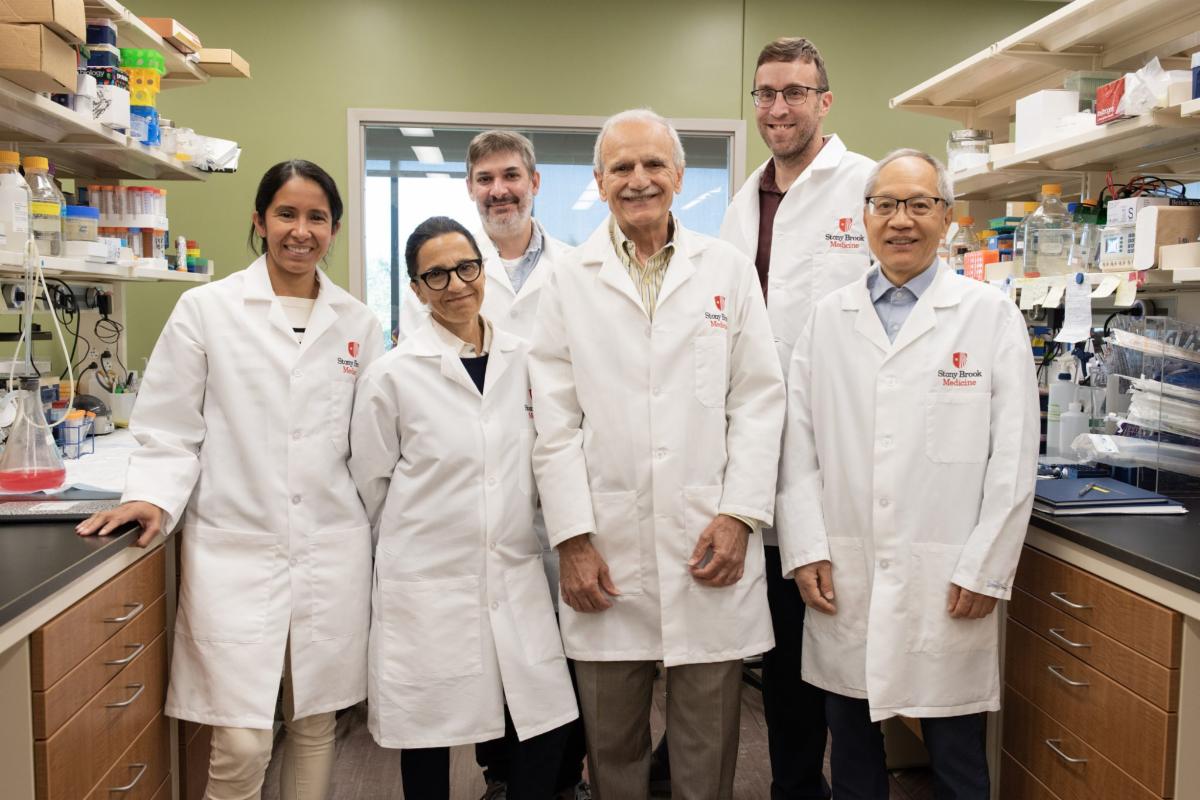
An interdisciplinary research team led by Yusuf Hannun, MD, the Joel Strum Kenny Professor in Cancer Research in the Renaissance School of Medicine (RSOM) at Stony Brook University, has received an $11 million five-year grant from the National Institutes of Health (NIH) to investigate the role of sphingolipids (SLs), a class of fat molecules that regulate many of the key cell pathways and functions in cancers.The grant, awarded by the National Institute of Health’s (NIH) National Cancer Institute (NCI), runs to the end of August 2030. It is the only NIH Program Project Grant, also called a P01, awarded this year to a State University of New York (SUNY) school. Learn More

University of Rochester School of Medicine & Dentistry: Wilmot Team Receives $3M to Further Study Pancreatic Cancer, New Treatment Scheme

Cancer of the pancreas is the most lethal of all major cancers. Why? Factors both inside pancreatic cancer cells and in the neighborhood around the cells create an environment that allows cancer to spread easily and resist treatment. Wilmot Cancer Institute investigators Darren Carpizo, MD, PhD, and Scott Gerber, PhD, are studying these intrinsic and extrinsic factors—and recently won a $3 million award from the National Cancer Institute to develop a new generation of treatments that can overcome these complex barriers. Learn More

Student Research & News

New York Medical College: Summer Research Fellowships Empower Medical Students to Explore, Innovate, and Lead

Every summer, more than 100 second-year medical students at New York Medical College engage in research fellowships, working under faculty mentorship to investigate diverse topics across a wide range of specialties for six weeks. This year was no different, as students contributed to numerous innovative research projects with faculty across nearly 20 departments, each recognized for a robust and structured approach to research. Learn More

More Studies

Weill Cornell Medicine: Hurricane Sandy Linked to Lasting Heart Disease Risk in Elderly

Although the material damage from 2012’s Hurricane Sandy may have been repaired, the storm left a lasting impact on cardiovascular health, according to new findings from Weill Cornell Medicine and New York University researchers. The study, published Sept. 3 in JAMA Network Open, found that older adults living in flood-hit areas in New Jersey faced a 5% higher risk of heart disease for up to five years after Sandy’s landfall. This is one of the first studies to rigorously quantify long-term cardiovascular risks associated with flooding in older adults. Learn More

Columbia University Vagelos College of Physicians & Surgeons: In Harris Wang’s Lab, Synthetic Microbes are Being Developed into Therapies for Our Microbiome

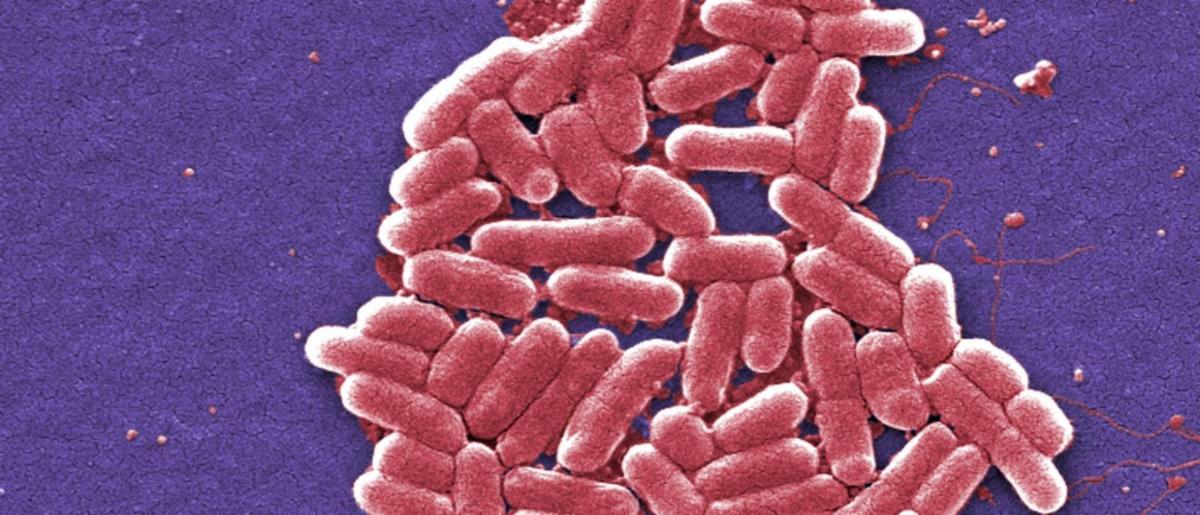
When food poisoning hits, the idea of consuming anything, much less a concoction of bacteria, probably turns your stomach.But for the microbiologists and genetic engineers in Harris Wang’s Columbia University laboratory, a therapeutic bacterial brew could be the only way to disarm some of the most dangerous intestinal pathogens.The idea to use good bacteria to thwart bad bacteria in the gut microbiome isn’t a new one. But probiotics often fail to colonize the gut. Learn More

New York Medical College: Dr. Chioma Okeoma Unlocks Hidden Clues for Potential HIV Treatment

While semen is a common transmission route for HIV through sexual contact, it may hold the key to new treatments. Semen contains tiny particles called extracellular vesicles, which act like messengers that carry signals between cells and influence how those cells behave. These vesicles may contain HIV-suppressing molecules, which can block the virus by interfering with the virus’s ability to make copies of itself within the body, according to a new study in Science Signaling by Chioma M. Okeoma, Ph.D., professor and vice chair of research in the Department of Pathology, Microbiology, and Immunology. Learn More

Jacobs School of Medicine & Biomedical Sciences at University at Buffalo: In Adolescent Lab Animals Exposed to Cocaine, High-Intensity Interval Training Boosts Aversion to the Drug

People with substance use disorder who participate in recovery running programs have shown improved success in maintaining their sobriety and reducing their risk for relapse. Those observations led Panayotis K. Thanos, PhD, a UB neuroscientist who studies the brain’s reward system, to try to figure out the brain mechanisms behind that phenomenon. Learn More

University of Rochester School of Medicine & Dentistry: Study Shows Hormone Combination Improved Strength and Function in FSHD Patients

New research has demonstrated that a combined regimen of growth hormone and testosterone is safe, well-tolerated, and is associated with meaningful improvements in muscle mass, strength, and mobility for men living with facioscapulohumeral muscular dystrophy (FSHD). Researchers believe that this regime could benefit patients with other forms of muscular dystrophy. “We’ve never seen a therapy in FSHD deliver both real gains in strength and lasting benefit after treatment stops,” said Chad Heatwole, MD, director of the University of Rochester Center for Health + Technology, and principal investigator and lead author of the study in Neurology Genetics. Learn More

Thanks for signing up!

Stay up to date with the latest:

By submitting this form, you are granting: Associated Medical Schools of New York, 99 Park Ave, Room 2010 New York, New York, 10016, United States, http://www.amsny.org/ permission to email you. You may unsubscribe via the link found at the bottom of every email. (See our Email Privacy Policy for details.) Emails are serviced by Constant Contact.

Associated Medical Schools of New York (AMSNY)
The Voice of Medical Education
99 Park Ave, Suite 2010 New York, New York, 10016
All rights reserved by their respective owners. Privacy Policy | Disclaimer
© Copyright 2025 AMSNY