Associated Medical Schools of New York
  • About
    • Programs
    • AMSNY Scholars in Medicine and Science
    • AMSNY Scholarship in Medicine
    • Research
    • NYFIRST
    • ECRIP
    • SCIRP
    • Biomedical Research and Economic Development
    • Science Forward
    • Advocacy
    • State Positions
    • Federal Positions
  • News
  • Contact
Newsletter > Biomedical Research News from AMSNY: December 2025

01/08/2026

Biomedical Research News from AMSNY: December 2025

News from AMSNY

Coalition of Scientific, Healthcare, Higher Education and Other Organizations Call on Governor Hochul to Establish New Institute to Ensure New York’s Leadership in Science and Biomedical Research 

A broad coalition representing New York’s leading scientific, academic, healthcare, business and advocacy organizations sent a letter to Governor Kathy Hochul urging a transformative state investment designed to expand New York’s global competitiveness as a destination for scientific research and the advancement of treatments and cures that benefit all New Yorkers.

The letter was led by the Associated Medical Schools of New York (AMSNY) and signed by more than 35 major institutions, including the state’s medical schools, cancer centers, universities and business groups. According to the coalition, an independent, state-supported grantmaking institute would advance new discoveries, attract scientific talent and life science companies and improve health. Learn More

Highlights

Weill Cornell Medicine: Study Pinpoints Source of Free Radicals in the Brain that May Fuel Dementia

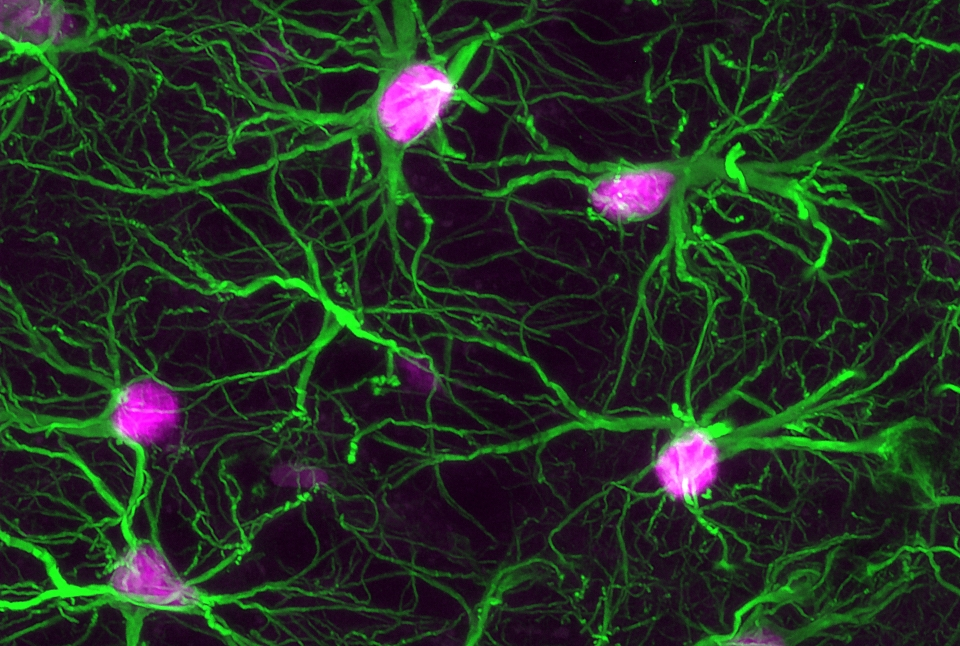
Researchers have discovered that free radicals generated at a specific site in non-neuronal brain cells called astrocytes, may promote dementia, according to a Weill Cornell Medicine study. Their findings, published Nov. 4 in Nature Metabolism, demonstrated that blocking this site lowered brain inflammation and protected neurons, suggesting a novel therapeutic approach for neurodegenerative disorders, including frontotemporal dementia and Alzheimer’s disease. Learn More

University of Rochester School of Medicine & Dentistry: Study Finds Physician Shortage in Rural Areas of the U.S. Worsened Since 2017

The national shortage of primary care physicians has been a concern for years, and a new study in the Annals of Family Medicine underscores how urgent the problem is and where the biggest pain point lies: in rural parts of the country that are seeing the largest population spikes in nearly a century. By studying the location of practicing family physicians across the U.S. from 2017 to 2023, authors found a year-over-year decrease in family physicians practicing in rural areas, with a net loss of 11% nationwide over the 7 years studied. The greatest losses were in the Northeast and fewest in the West. Learn More

Cardiology

SUNY Downstate Health Sciences University: Researchers Report Earlier Transfusions May Help Protect the Heart After Major Surgery

New evidence from the nationwide TOP Trial (Transfusion Trigger After Operations in High Cardiac Risk Patients) suggests that a small but meaningful shift in clinical practice may help protect adults with heart disease as they recover from major surgery. The study, a featured session at the American Heart Association’s Scientific Sessions and published simultaneously in JAMA, continues to draw national attention for what it reveals about how the heart responds to anemia in the days immediately following surgery. Learn More

New York Medical College: Simultaneous Heart-Kidney Transplant Brings Higher Risk of Kidney Failure and Death

Simultaneous heart-kidney transplant (SHKT) results in a significantly higher risk of kidney transplant failure and death than kidney after heart transplantation (KAH), according to a new study by New York Medical College (NYMC) faculty published in the Annals of Surgery Open. On average, patients who received both a heart and kidney transplant simultaneously lost the equivalent of 57 kidney-years of function for every 100 transplants compared to those who received only a kidney transplant—a difference that was large enough to be statistically significant. Learn More

Jacobs School of Medicine & Biomedical Sciences at the University at Buffalo: UB Co-Author Says New Pediatric Basic Life Support Guidelines Seek to Improve Outcomes, Optimize Care

While sudden cardiac arrest in a child or adolescent is rare — about 20,000 cases occur each year in the U.S. — the survival rate when it happens outside of a hospital is estimated to be under 20%. Significantly improving those grim odds is the goal of the 2025 Guidelines for Cardiopulmonary Resuscitation and Emergency Cardiovascular Care for pediatric patients. Learn More

Cancer

Albert Einstein College of Medicine: Glioblastomas Affect Much More Than Just the Brain

Scientists at Montefiore Einstein Comprehensive Cancer Center (MECCC) and Albert Einstein College of Medicine have shown for the first time that glioblastoma—the deadliest form of brain cancer—affects not just the brain but also erodes the skull, alters the makeup of skull marrow, and interferes with the body’s immune response. Drugs intended to inhibit skull-bone loss made the cancer more aggressive, according to results published today in Nature Neuroscience. Learn More

Icahn School of Medicine at Mount Sinai: Study Reveals Why Some Myeloma Patients Stay Cancer-Free for Years After CAR T Therapy

A new study from the Icahn School of Medicine at Mount Sinai helps explain why some people with multiple myeloma, a type of blood cancer, stay in remission for many years after receiving CAR T cell therapy, while others see their cancer return sooner. Published in Blood Advances, the research is the first longitudinal, single-cell, multi-omic study of cilta-cel in multiple myeloma. Cilta-cel (ciltacabtagene autoleucel) is a type of CAR T cell therapy used to treat relapsed or refractory multiple myeloma. It works by using a patient’s own T cells, which are genetically engineered in a lab to target and kill cancer cells that have B cell maturation antigen (BCMA) on their surface. Learn More

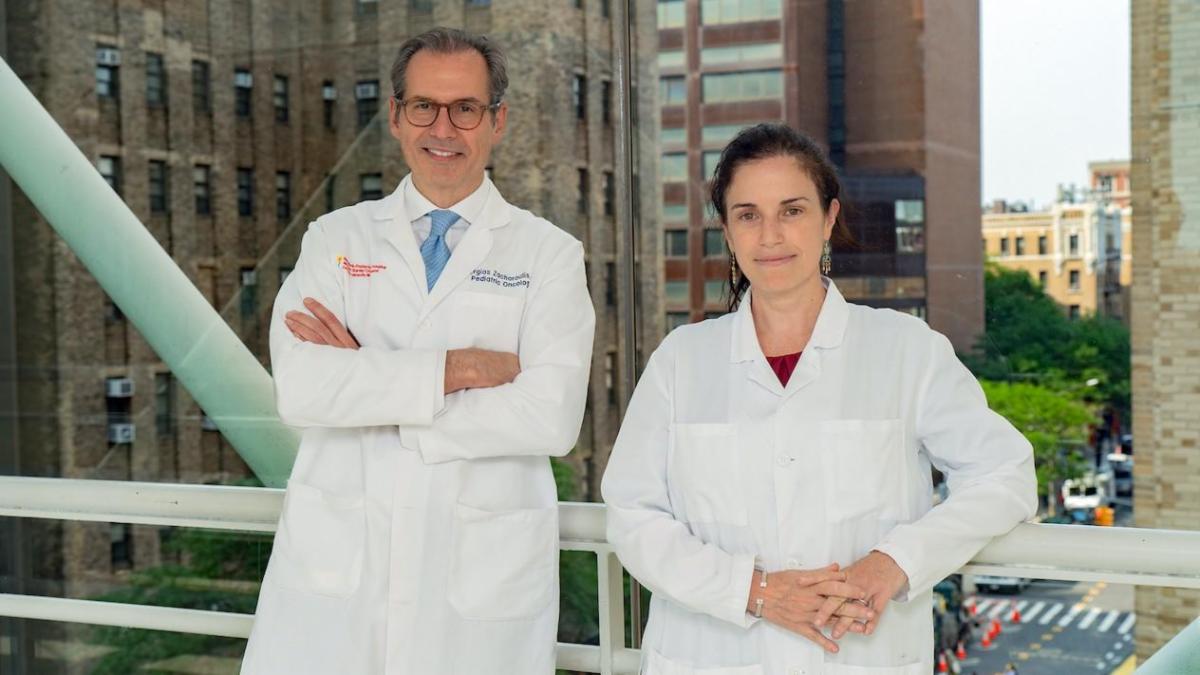
Columbia University Vagelos College of Physicians & Surgeons: Focused Ultrasound Passes First Test in Treatment of Brain Cancer in Children

Columbia University researchers are the first to show that focused ultrasound—a non-invasive technique that uses sound waves to enhance the delivery of drugs into the brain—can be safely used in children being treated for brain cancer. The focused ultrasound technique, developed by Columbia engineers, was tested in combination with chemotherapy in three children with diffuse midline glioma, a rare and aggressive brain cancer that is universally fatal. Learn More

Covid

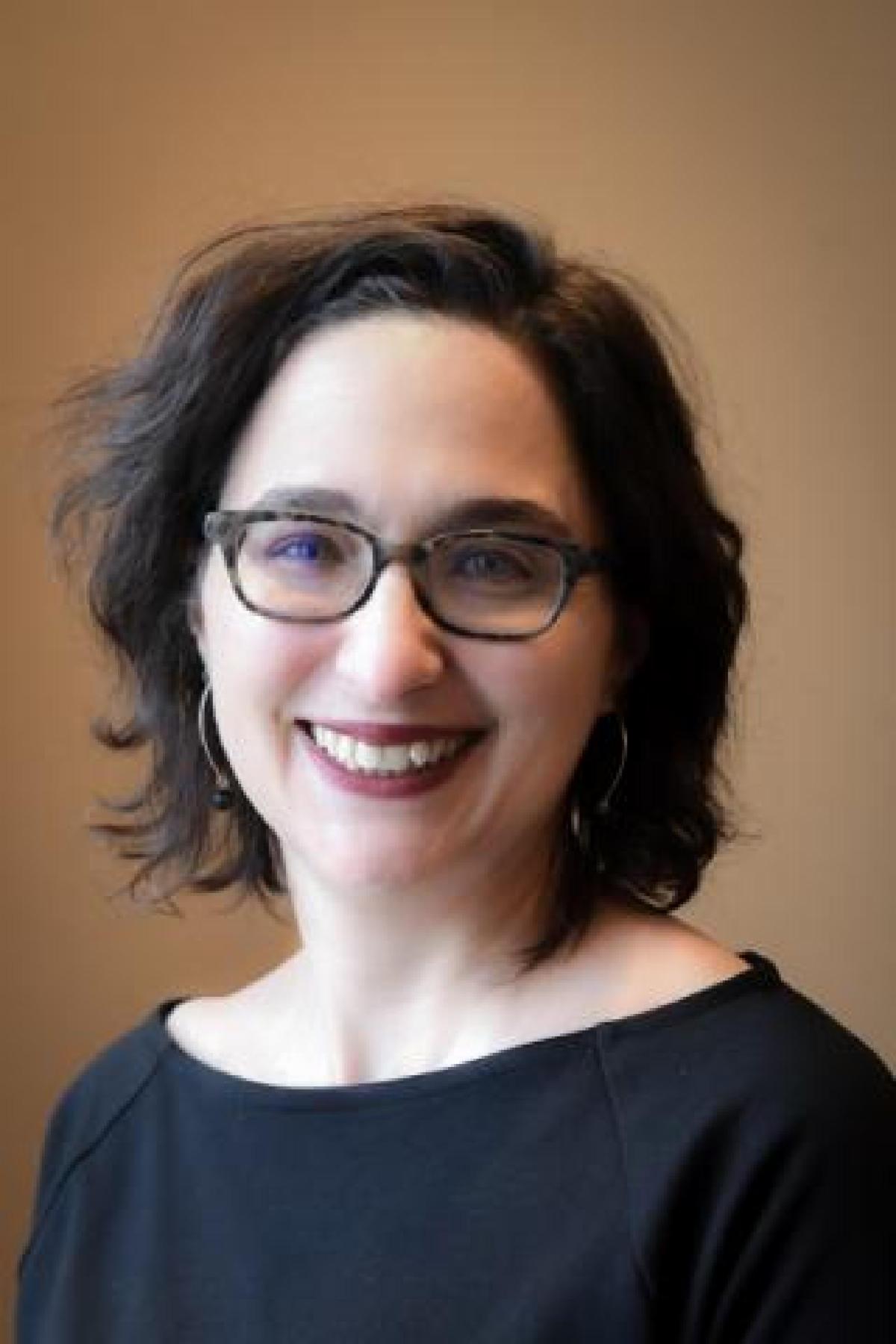
Columbia University Vagelos College of Physicians & Surgeons: COVID-19 Vaccination Lowers Long COVID Risk in Adolescents

Adolescents who were vaccinated against COVID-19 were less likely to develop long COVID after their first SARS-CoV-2 infection than unvaccinated peers, finds a new study. The study, led by the NIH-funded RECOVER Initiative, is the first to examine the potential benefits of COVID vaccination in adolescents beyond lowering the severity of initial COVID symptoms. “These findings provide evidence that COVID vaccination has an important secondary effect in helping to mitigate the risk of long COVID in adolescents,” says Melissa Stockwell, a pediatrician at Columbia University Irving Medical Center and clinical senior author of the study. Learn More

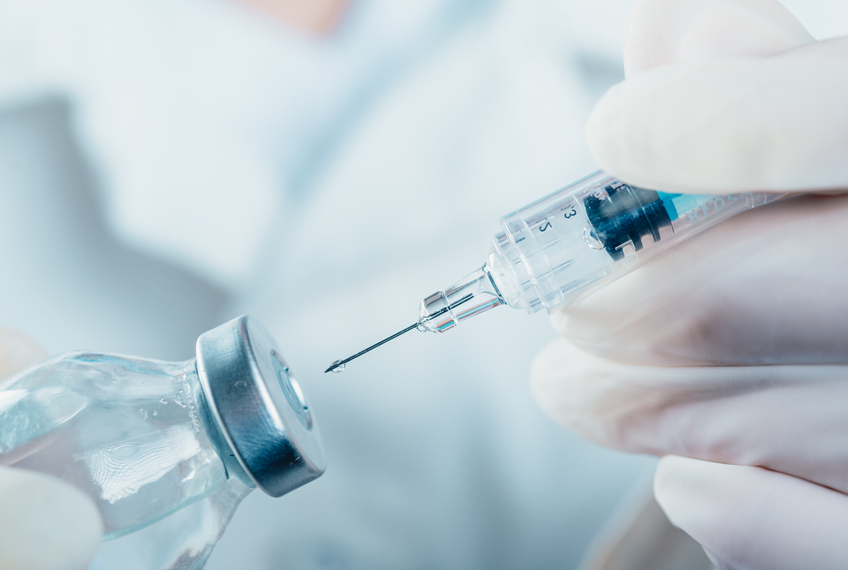
Weill Cornell Medicine: Common-Cold Coronavirus Could be the Key to a Better COVID-19 Vaccine

Prior exposure to coronaviruses that cause ordinary colds can boost the immune system’s ability to attack a vulnerable site on the COVID-19-causing coronavirus SARS-CoV-2, according to a study led by investigators at Weill Cornell Medicine. The finding suggests a new vaccination strategy that might provide broader and more durable protection against SARS-CoV-2 strains compared with existing vaccines—and might also protect against other emergent coronaviral threats. In the study, published Oct. 9 in the Journal of Experimental Medicine, the researchers analyzed human antibody responses to the base of SARS-CoV-2’s outer spike protein. Learn More

Neurology

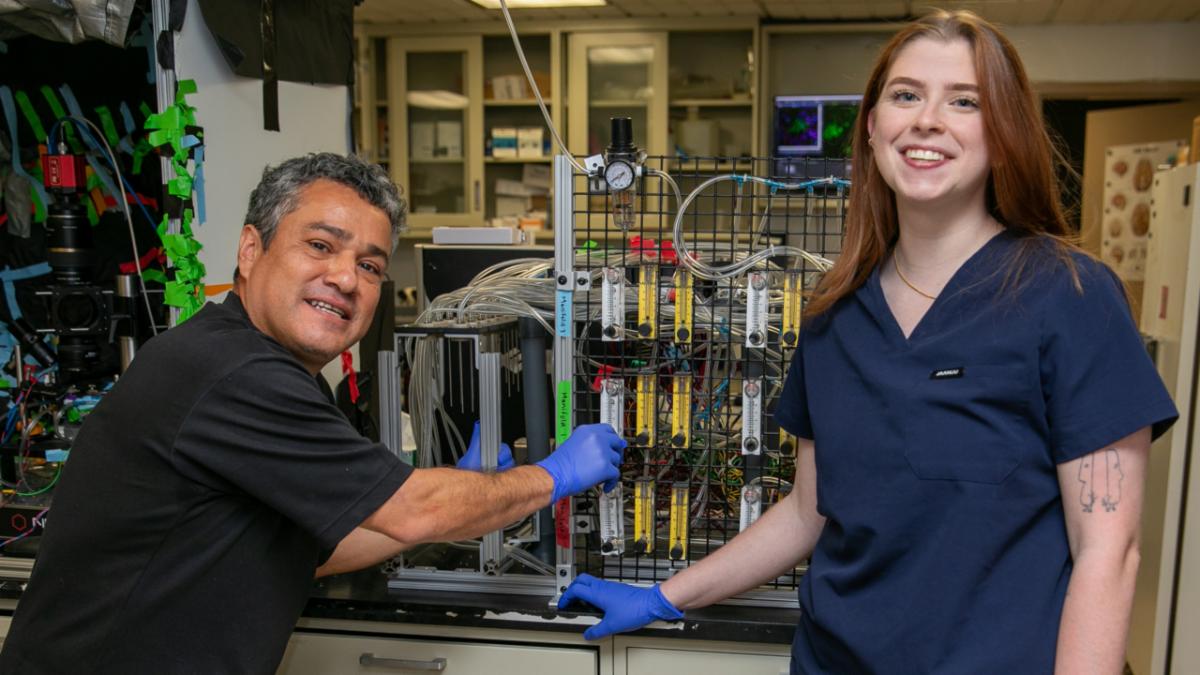
New York Institute of Technology College of Osteopathic Medicine: Study Driven by “Why”

Individuals with autism spectrum disorder (ASD) may find the unfamiliar, like new scents, to be disorienting and uncomfortable. In a recent study led by third-year medical student Kassandra Sturm, new findings could help uncover the neurological source affecting the sense of smell in ASD. Growing up, Sturm’s parents challenged her to always ask “why” and think critically. This mindset drew her to study biology and neuroscience in college, fields she says are “full of unanswered questions.” Learn More

University of Rochester School of Medicine & Dentistry: Simple Test Brings Clarity and Hope for Families with Inherited Neuropathy

A new, inexpensive urine test that measures two sugar alcohols, sorbitol and xylitol, is making it easier, faster, and far less expensive to identify a common inherited nerve disorder called SORD-related neuropathy. The test, developed through a partnership that includes the University of Rochester, Mayo Clinic, and the Clinic for Special Children in Pennsylvania, can detect people that some genetic tests miss and could speed access to emerging treatments and trials. Learn More

Grants & Awards

Albert Einstein College of Medicine Awarded $18 Million NIH Grant to Improve Treatment for Serious Mental Illness

Serious mental illnesses (SMI) take a tremendous toll on individuals, their friends and family, and society as a whole. SMI such as schizophrenia, bipolar disorder, and major depressive disorder contribute to poverty, unemployment, and homelessness, and can lead to hospitalization and suicide. Predicting when intensive intervention is needed in individual cases is a major unmet mental healthcare need. Albert Einstein College of Medicine has received an $18 million grant from the National Institutes of Health (NIH) to use AI, cognitive monitoring, and psychiatric symptoms to determine when someone diagnosed with an SMI needs more intensive support. Learn More

Norton College of Medicine at Upstate Medical University: Researcher Awarded $3.1M NIH Grant to Uncover How Amyloid Diseases Begin

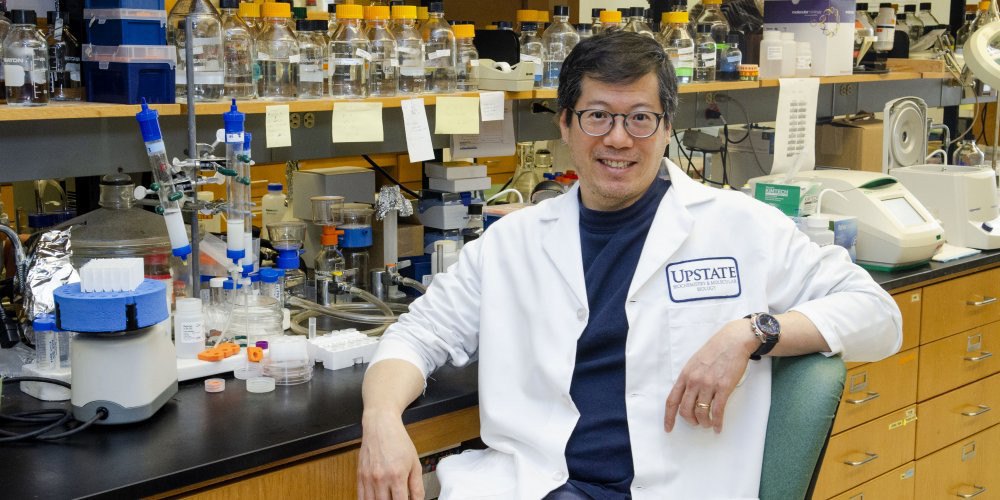
A research team led by Stewart Loh, PhD, professor of biochemistry and molecular biology at Upstate Medical University, has received a $3.1 million, five-year grant from the National Institutes of Health (NIH) to investigate the molecular origins of amyloidosis, a group of diseases caused by protein misfolding in the bloodstream. Working in collaboration with researchers at the University of Tennessee, Knoxville, University of Texas Southwestern and the Mayo Clinic, Loh will test the team’s hypothesis: that the physical forces of blood flow may trigger the misfolding of proteins that lead to amyloid diseases affecting multiple organs, including the kidneys and heart. Learn More

Norton College of Medicine at Upstate Medical University: Researcher Wins $2.2M NIH Grant to Advance Next-Generation mRNA Delivery

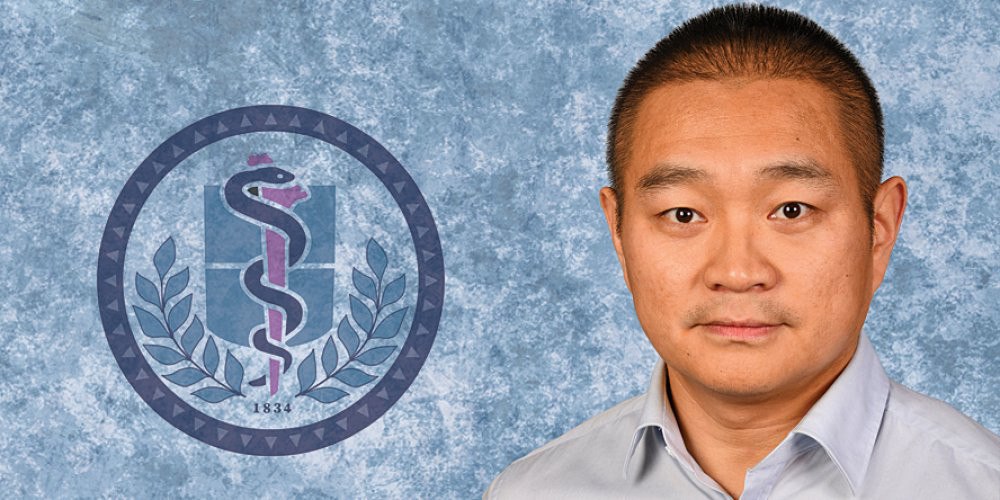
Yamin Li, PhD, assistant professor of pharmacology at Upstate Medical University, has received a $2.2 million grant from the National Institute of General Medical Sciences (NIGMS) to develop a new class of lipid nanoparticles designed to improve how messenger RNA (mRNA) therapies are delivered. Lipid nanoparticles (LNPs) are tiny, fat-like particles that act as carriers, protecting delicate mRNA and helping it enter cells. They gained global attention during the COVID-19 pandemic as the delivery system for the first FDA-approved mRNA vaccines. Learn More

New York Medical College: Working to Develop Respiratory Vaccine to Combat Pseudomonas aeruginosa

Paul Arnaboldi, Ph.D., associate professor of pathology, microbiology, and immunology and New York Medical College (NYMC), has been awarded a half-million-dollar grant from the National Institutes of Health (NIH) to support the development of a respiratory mucosal vaccine to combat Pseudomonas aeruginosa (PA), a prominent cause of fatal health care-acquired infections, serious burn wound infections, and chronic lung infection in cystic fibrosis patients. Learn More

More Studies

Icahn School of Medicine at Mt. Sinai: Experimental mRNA Therapy Shows Potential to Combat Antibiotic-Resistant Infections

Researchers at the Icahn School of Medicine at Mount Sinai and collaborators have reported early success with a novel mRNA-based therapy designed to combat antibiotic-resistant bacteria. The findings, published in the November 26 online issue of Nature Biotechnology [DOI: 10.1038/s41587-025-02928-x], show that in preclinical studies in mice and human lung tissue in the lab, the therapy slowed bacterial growth, strengthened immune cell activity, and reduced lung tissue damage in models of multidrug-resistant pneumonia. Learn More

Renaissance School of Medicine at Stony Brook University: Analysis of Newest Drug Against a Deadly Parasite Infection May Help Advance Treatments

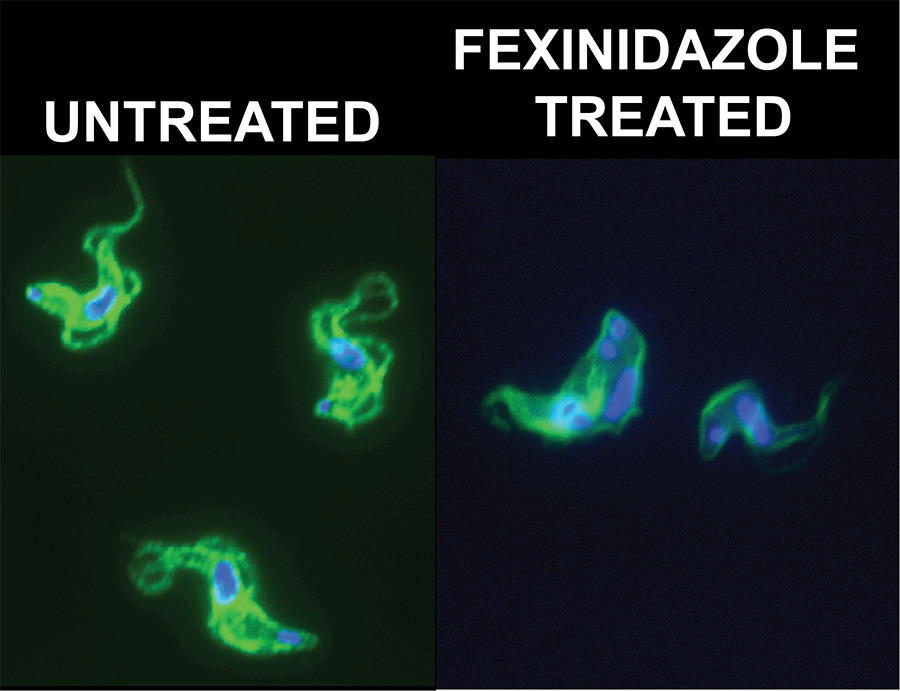
Trypanosomatids are parasites that can result in over one billion potentially fatal infections per year globally. In Africa, Human African Trypanosomiasis (HAT), better known as Sleeping Sickness, causes a devastating infection that without treatment results in death. Unfortunately, most drug therapies against HAT have mixed results and multiple adverse side effects. The newest drug to offer hope, fexinidazole, is the first oral monotherapy against HAT. Yet, the mechanism of fexinidazole parasite killing was unknown. Now a research team led by Stony Brook University scientists has conducted the first comprehensive analysis of how fexinidazole kills trypanosomatid parasites. Learn More

Jacobs School of Medicine & Biomedical Sciences at the University at Buffalo: Study Explores AI-Enhanced Wearable Devices for Type 2 Diabetes and Prediabetes Care

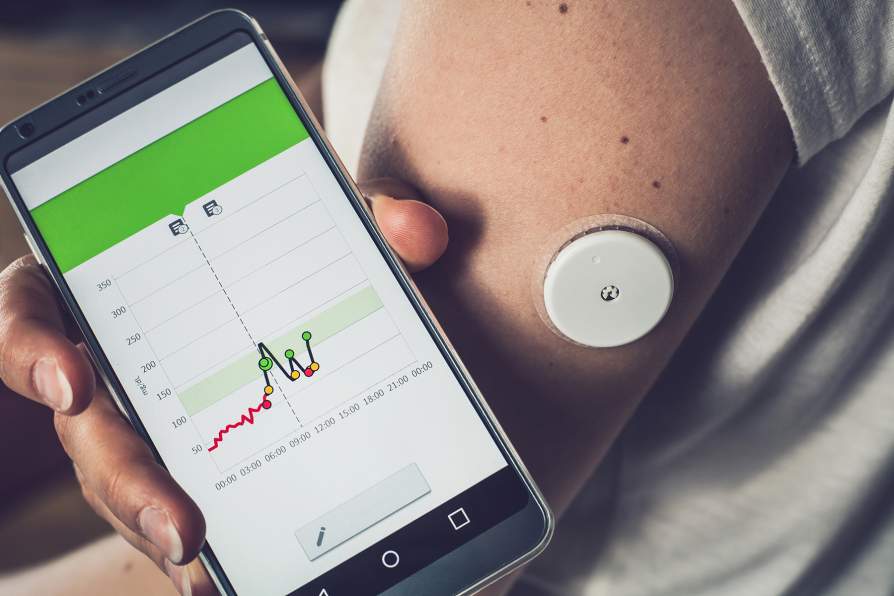
Artificial intelligence-enhanced wearable devices, such as continuous glucose monitors (CGMs), have dramatically improved the ability of people with diabetes and even prediabetes to better understand and control their blood sugar. But research on AI-enhanced wearable devices has been uneven, often focused on just a few kinds of devices, data types and AI models. University at Buffalo researchers have published in NPJ Digital Medicine the first comprehensive meta-review (a study of studies) of AI-enhanced wearables for people with prediabetes and Type 2 diabetes. Their conclusion is that these devices have enormous potential that will be realized once certain challenges are overcome. Learn More

SUNY Downstate Health Sciences University: STAR Program Expands Global Reach in HIV Research

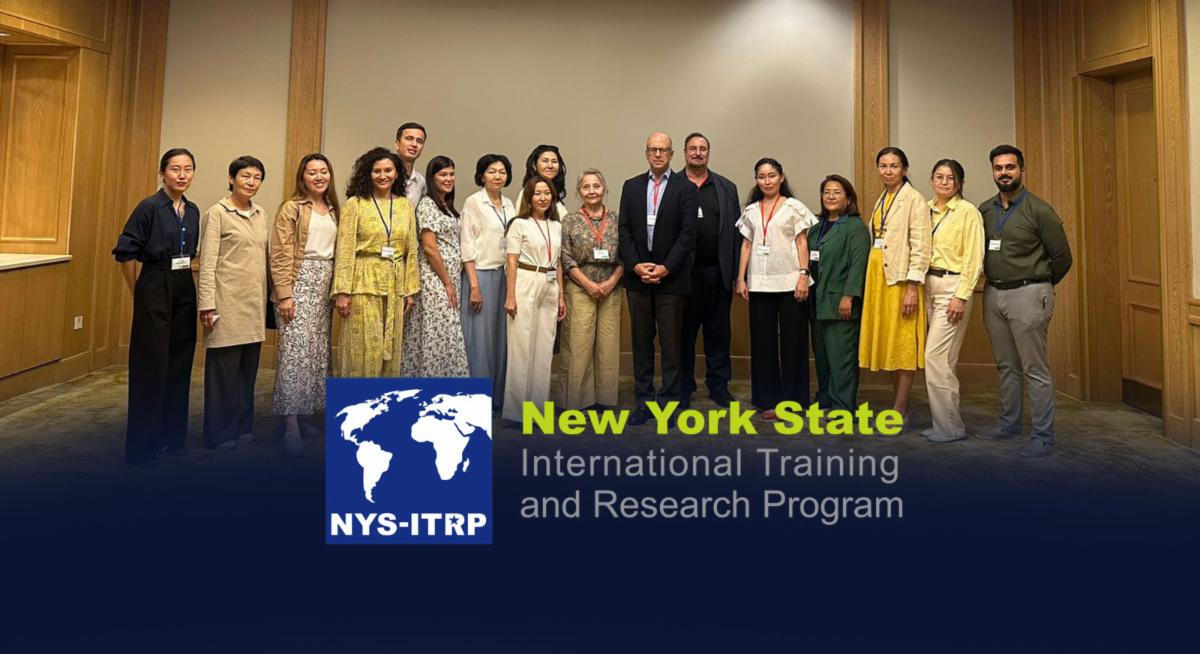
Downstate’s STAR Program is extending its impact far beyond Brooklyn, partnering with communities in Eastern Europe and Central Asia to help strengthen public health systems where HIV continues to grow. Founded in 1991, the STAR Program has grown into one of New York City’s largest HIV care, prevention, and research programs. STAR provides integrated medical, behavioral health, and social support services for people living with or at risk for HIV, hepatitis C, and other chronic conditions while advancing workforce training and global health research. Learn More

Zucker School of Medicine at Hofstra Northwell: Study Supports Empowering Anesthesiologists to Lead Preoperative Process in Hip Fracture Care

A new study led by Surya Indukuri, a medical student at Zucker School of Medicine at Hofstra/Northwell, found that prioritizing anesthesiologist leadership in the preoperative process for hip fracture patients can significantly reduce time in surgery and lower the risk of complications. Indukuri’s findings, which were presented at the ANESTHESIOLOGY® 2025 annual meeting, and prompted coverage in Medical X press, time.news and MSN.com, underscore the critical role of streamlined care for older adults, who often experience hip fractures. Learn More

Renaissance School of Medicine at Stony Brook University: Study Aims to Prevent PTSD in Emergency Responders

First responders face many dangerous situations and traumatic events affecting millions each year, and these experiences often affect their mental health short- and long-term. A new resiliency training program for first responders led by Stony Brook Medicine will be conducted through fire stations and emergency medical services organizations in New York and Texas beginning in 2026, with the goal to prevent post-traumatic stress disorder (PTSD) in first responders. The initiative is supported by a five-year, $3.3 million grant from the National Institute of Health’s National Institute of Mental Health (NIMH) that runs through June 2030. Learn More

Thanks for signing up!

Stay up to date with the latest:

By submitting this form, you are granting: Associated Medical Schools of New York, 99 Park Ave, Room 2010 New York, New York, 10016, United States, http://www.amsny.org/ permission to email you. You may unsubscribe via the link found at the bottom of every email. (See our Email Privacy Policy for details.) Emails are serviced by Constant Contact.

Associated Medical Schools of New York (AMSNY)
The Voice of Medical Education
99 Park Ave, Suite 2010 New York, New York, 10016
All rights reserved by their respective owners. Privacy Policy | Disclaimer
© Copyright 2026 AMSNY